18 Things Economic Developers Need to Know This Week
The stories Dane thinks you need to see. March 25, 2026 edition.


Welcome to this week's issue of What Economic Developers Need to Know This Week, where we collect links, charts, and ideas about the economy and place.
This week: 18 stories, graphics, and rabbit holes that are mostly relevant to economic development.
If you are wondering what to do with the info in this newsletter: send one item to a board member or elected official who still thinks speed-to-market happens by accident.
Today's email is brought to you by Resource Development Group
Resource Development Group and Convergent Nonprofit Solutions have recently announced a merger of these two well respected firms. RDG is now operating as Resource Development Group, a Convergent Company and will lead the combined operations in economic development and chamber engagements. Meanwhile, the Convergent banner will take the forefront on efforts on supporting traditional philanthropic and higher education organizations
This merger maintains RDG's innovative and custom approach while also creating the deepest bench of economic development and chamber fundraising expertise in the industry, the most complete data set in the country regarding economic development and chamber funding, and the greatest flexibility to be able to support engagement models tailored specifically to every market, regardless of size.
Whether you’re a single county EDO ready to kick off your first fundraising campaign or a large regional organization on your third funding cycle, they have the team and experience to get you the results you’re looking for.
1) Economic Development and Developers in the News # 236: Econ dev news from 108 economic development executives and organizations in 31 states.

2) Podcast 213: How a Town of 30,000 in South Dakota Competes (and Wins) in Economic Development with Tim Hanigan: A useful reminder that smaller places can win if they are responsive, practical, and easy to work with.

3) 30 New Economic Development Jobs This Week + Wage Trends: In 16 states plus remote, from $40,685 to $225,000.
4) Andrew Sloss on Ohio's relocation incentive: If a state is willing to reimburse employers for recruiting out-of-state STEM talent, talent attraction is no longer just an HR problem. Read: JobsOhio relocation incentive post.
5) Jim Gibson on financial forecasting: The point of a five-year forecast is not elegance, it is having the hard conversation before the emergency meeting. Read: Can your EDO see around the corner?.
6) Kelly Robertson-Slagle on starting fresh in a new community: Listen first, build trust before chasing wins, and remember that experience does not exempt anyone from local context. Read: The basics still matter.
7) Lucas Mathews on fragmented local growth systems: A lot of places have the pieces, city hall, the chamber, employers, workforce groups, and developers, but not the alignment. Read: Economic development needs execution across silos.
8) Jim Gibson on making cluster strategy actually work: The interesting part is not picking a target cluster, it is getting industry leaders in a room, listening well, and fixing the small bottlenecks that matter. Read: Putting clusters to work.
9) Kelly Robertson-Slagle on site readiness: "No product, no project" is still one of the clearest sentences in economic development. Communities that do due diligence early move faster when the phone rings. Read: Be ready before the opportunity arrives.
Stop managing sites in a spreadsheet disguised as a map.
Most tools help you store property listings and make them look good online. Sitehunt actually understands your sites. It pulls together infrastructure, utilities, zoning, and regional context from millions of real data sources to build a complete picture automatically. No manual data entry. No guessing. No chasing down answers when a project comes in.
When the RFI hits, speed wins. Sitehunt doesn’t just display your sites, it evaluates them. You can match properties to project requirements, answer detailed questions instantly, and move from “we think this might work” to “here’s exactly why it works” in minutes. While others are still assembling information, you’re already submitting a complete, confident response.
10) Hidden economies are usually sitting in plain sight: This Recast City piece is still a good prompt for downtowns that keep looking only for conventional retail while overlooking small product businesses that already want space. Read: Hidden in Plain Sight.
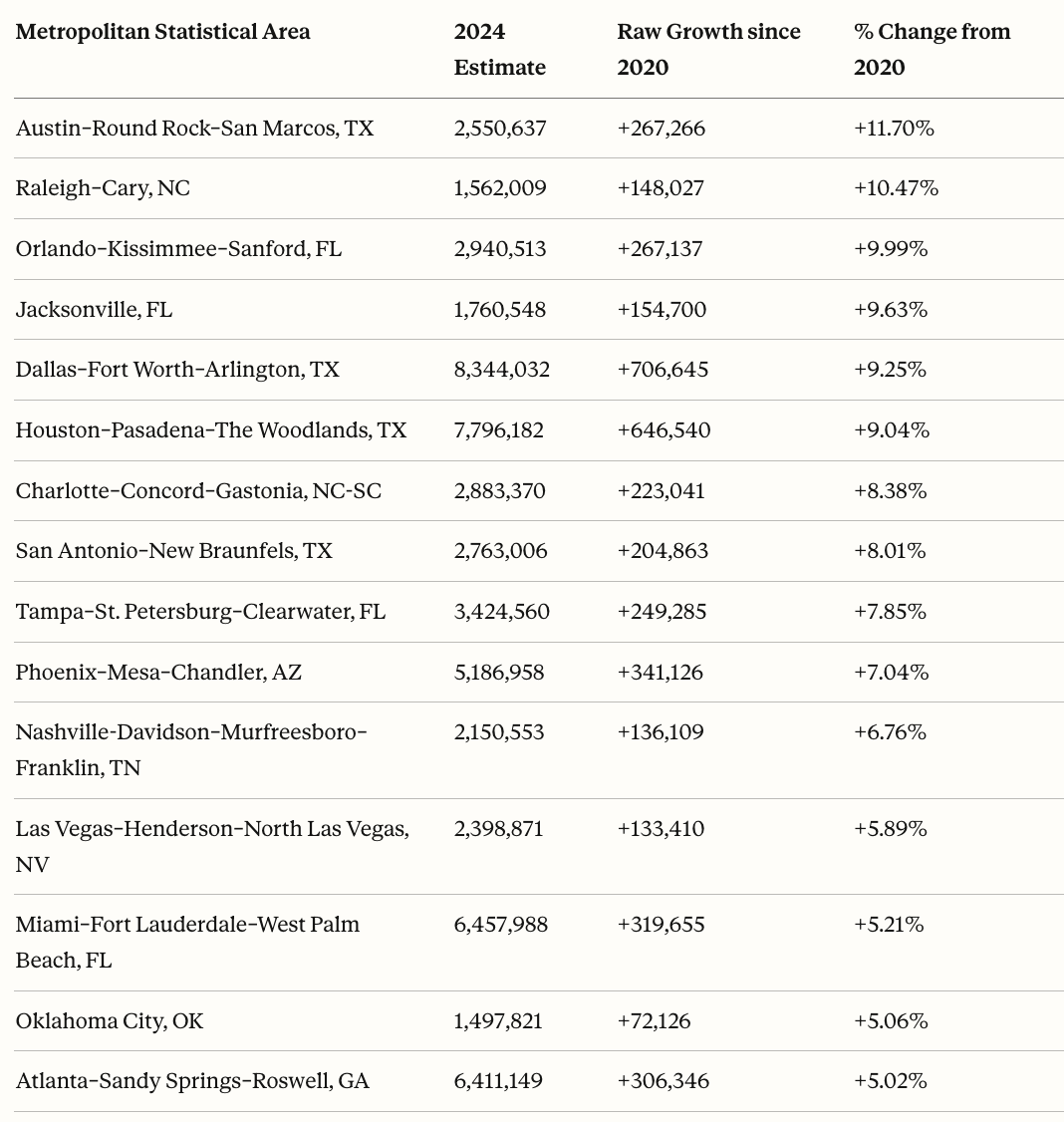
11) Every one of the 15 fastest-growing major metros is in the Sun Belt: That does not settle every growth argument, but it does show where demographic and business momentum has been concentrating.
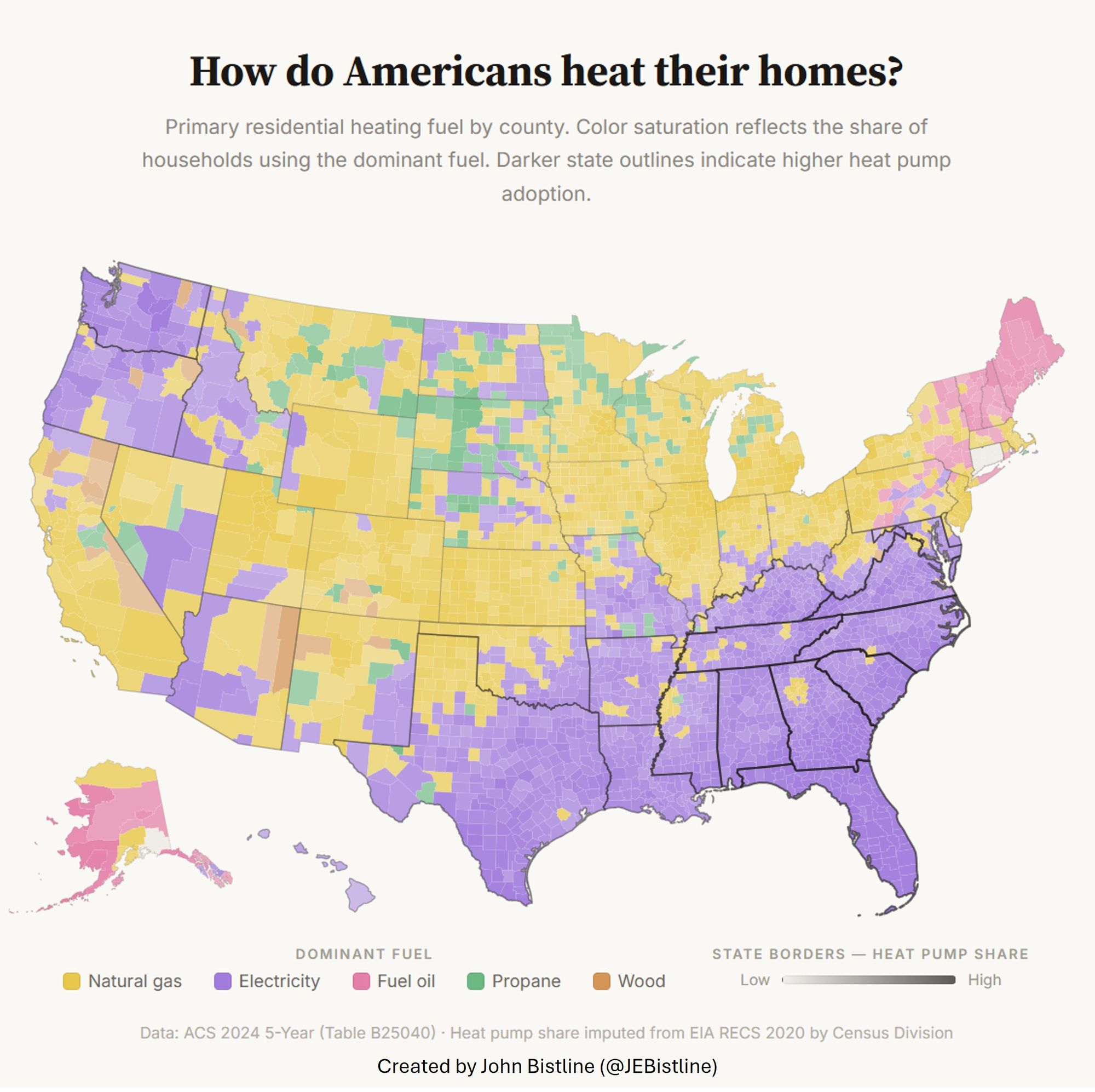
12) How Americans heat their homes: Energy systems are still deeply regional. The dominant heating fuel varies by county, and heat-pump adoption is becoming another layer of place-based infrastructure competition.
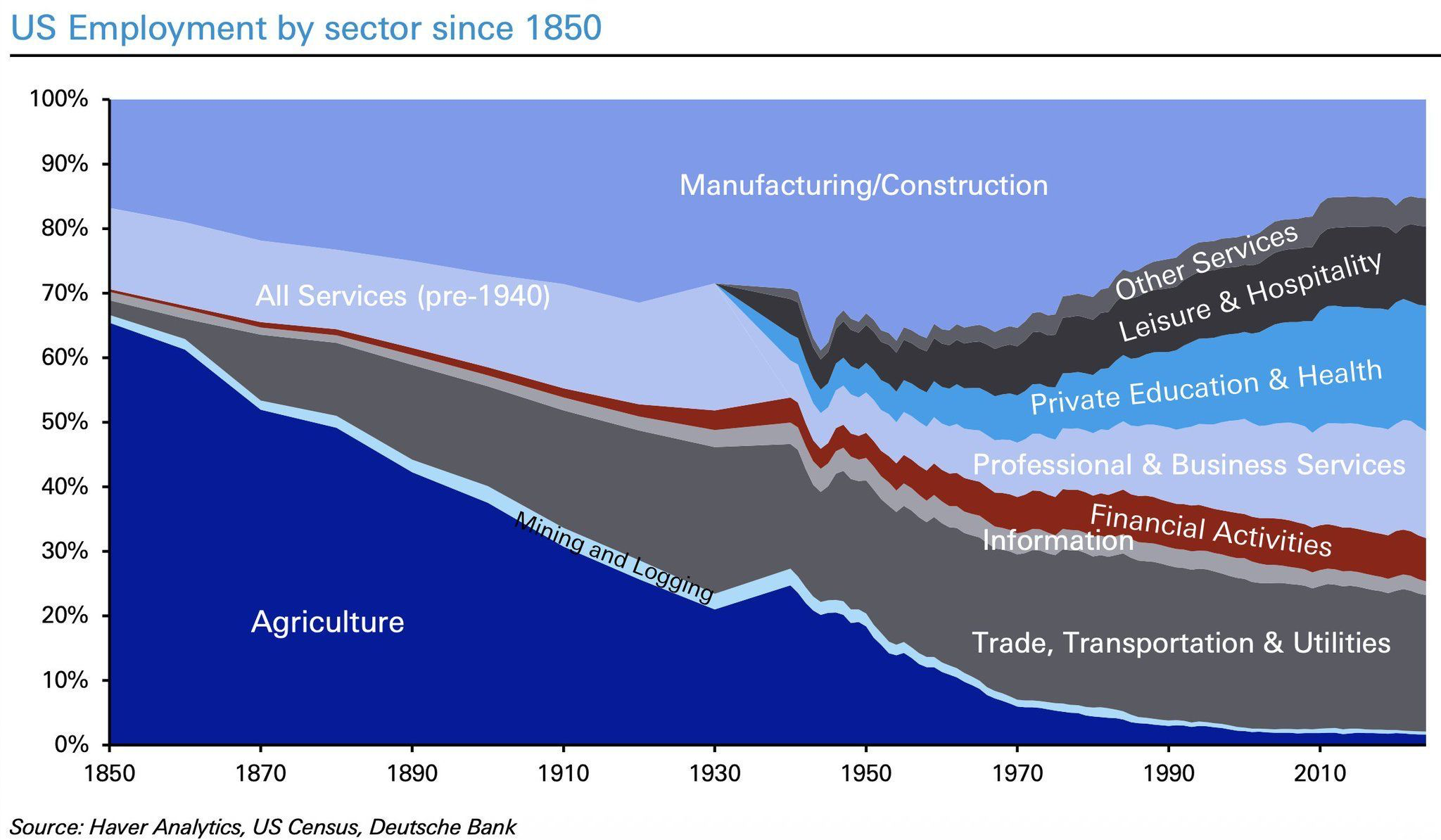
13) U.S. employment by sector since 1850: This long-run view is a reminder that labor structure keeps changing even when local strategy decks do not. Agriculture shrank, services exploded, and manufacturing is no longer the whole story.
14) Strong Towns asks whether more highways actually help economic development: A fair question for places that still treat lane miles as a growth strategy instead of asking what kind of development the investment actually produces. Watch: do more highways help economic development?.
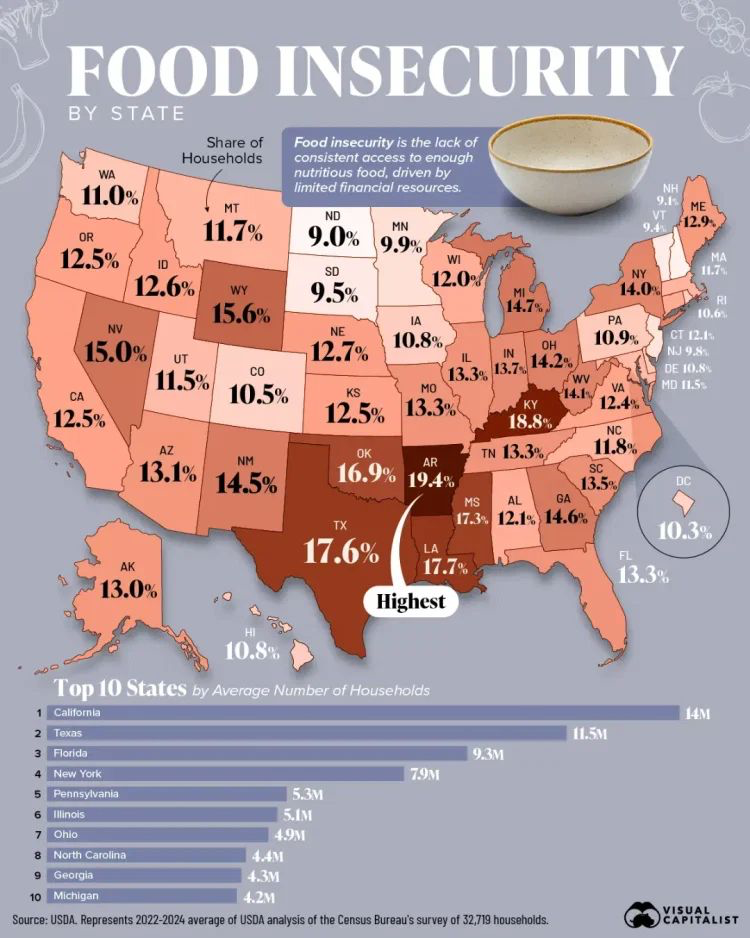
15) Siddiq W. Sweet on food insecurity by state: If household stability is breaking down, that is an economic development issue too, not just a nonprofit issue. Read: Food insecurity map post.
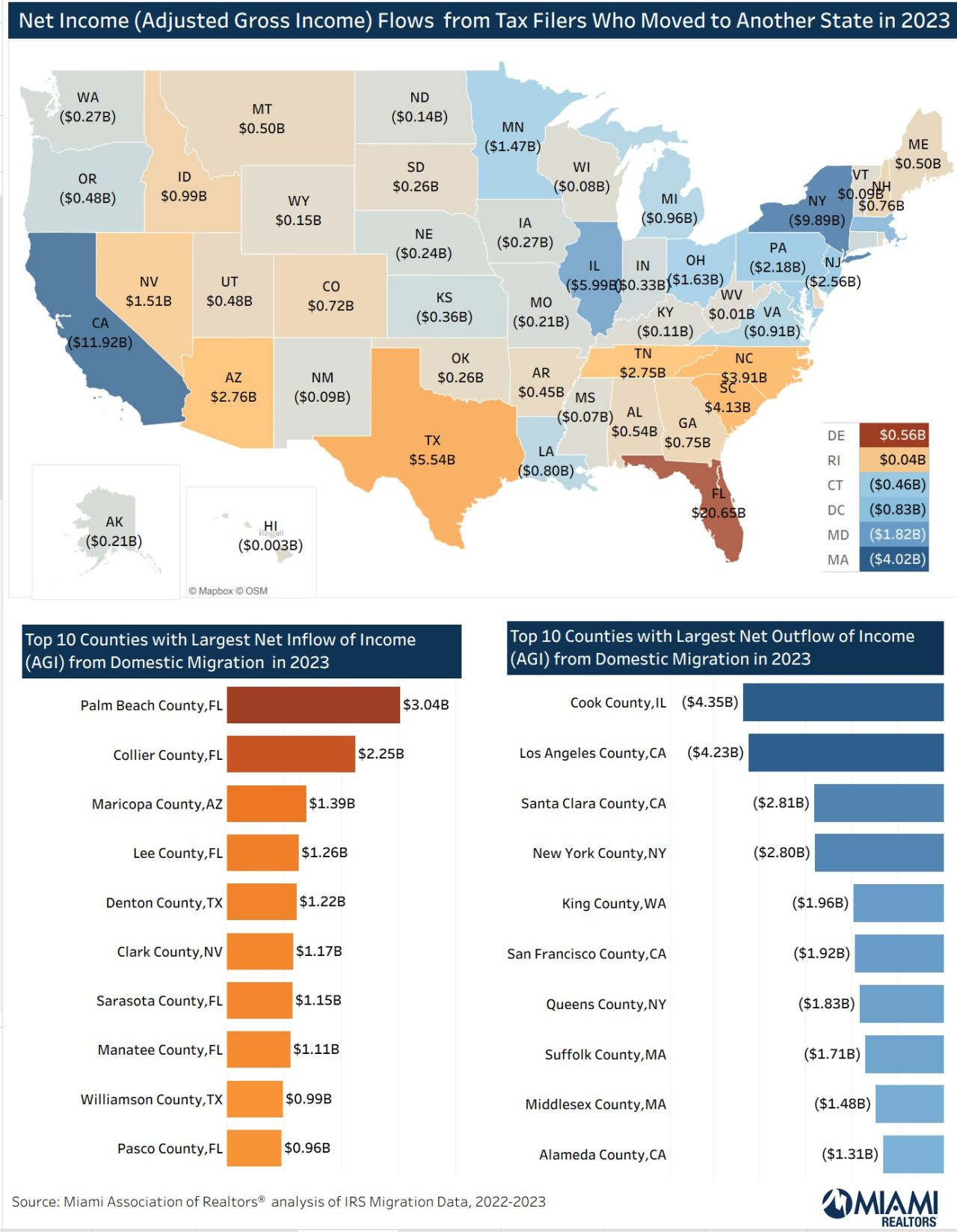
16) IRS migration data still shows where income and wealth are flowing: Even with a lag, domestic migration data is a useful reminder that some states are attracting households, capital, and high earners at a scale that reshapes local tax bases and housing markets. Read: Income flows from domestic migration.
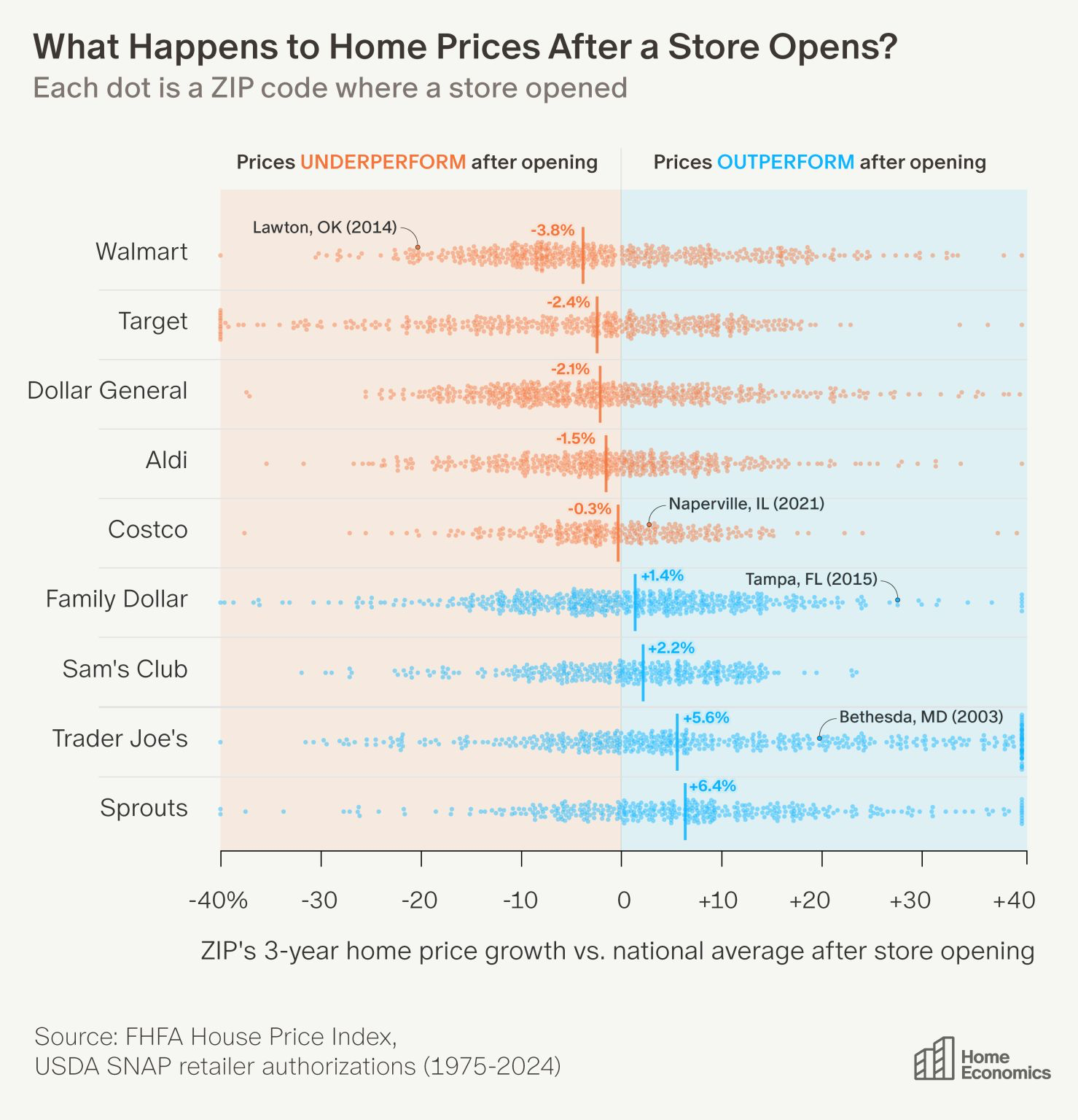
17) Trader Joe's is not a cause, it is a signal: This grocery-store analysis is really about which neighborhoods retailers think still have runway. Site selection logic shows up in more places than industrial projects. Read: Trader Joe's as a neighborhood indicator.
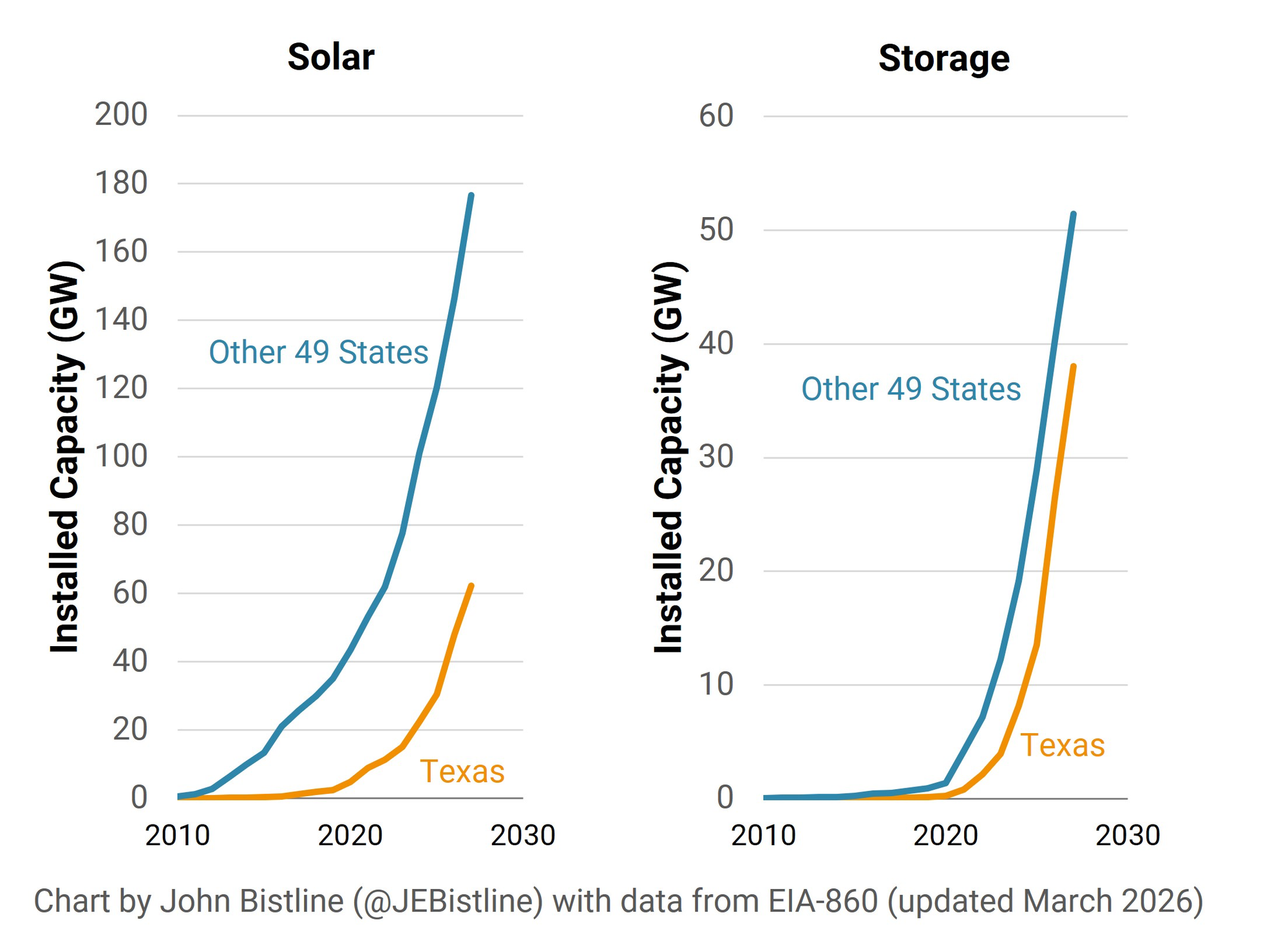
18) Texas battery storage is scaling absurdly fast: Grid capacity is becoming a local competitiveness story, and Texas is moving at a pace that forces the rest of the country to look slow.