30 Things Economic Developers Need to Know This Week
The stories Dane thinks you need to see. February 5, 2026 edition.


Welcome to this week's issue of What Economic Developers Need to Know This Week, where we collect links, charts, and ideas about the economy and place.
This week: 30 stories, graphics, and rabbit holes that are (mostly) relevant to economic development, and occasionally just funny.
If you're wondering what to do with the info in this newsletter: forward one item to a board member or elected official. It makes you look prepared.

Today's email is brought to you by Resource Development Group
Founded in 1995, RDG offers customized economic development fundraising solutions exclusively for Chambers of Commerce and Economic Development Organizations. That’s their niche. That’s their specialty.
Their highly experienced team has raised over $2 billion -- yes, that’s $2 billion with a “B” -- for communities of all sizes and organizations just like yours.
Every community is unique. Tulsa, OK, is not Maury County, TN. Atlanta, GA is not Detroit, MI. Chattanooga, TN is not Charlottesville, VA. Don’t use another community’s fundraising playbook and expect the same results!
RDG's experts excel in providing customized economic development fundraising solutions for every situation. So whether you’re a single county EDO ready to kick off your first fundraising campaign or a large regional organization on your third funding cycle, they have the team and experience to get you the results you’re looking for.
1) Econ dev news roundup: A fast way to spot patterns in what practitioners are sharing, tracking, and celebrating. Read it here: Economic development and developers in the news #229.
2) Speed to market as an incentive: Time is the real incentive when capital is impatient and supply chains are tight. Listen here: Podcast 207.

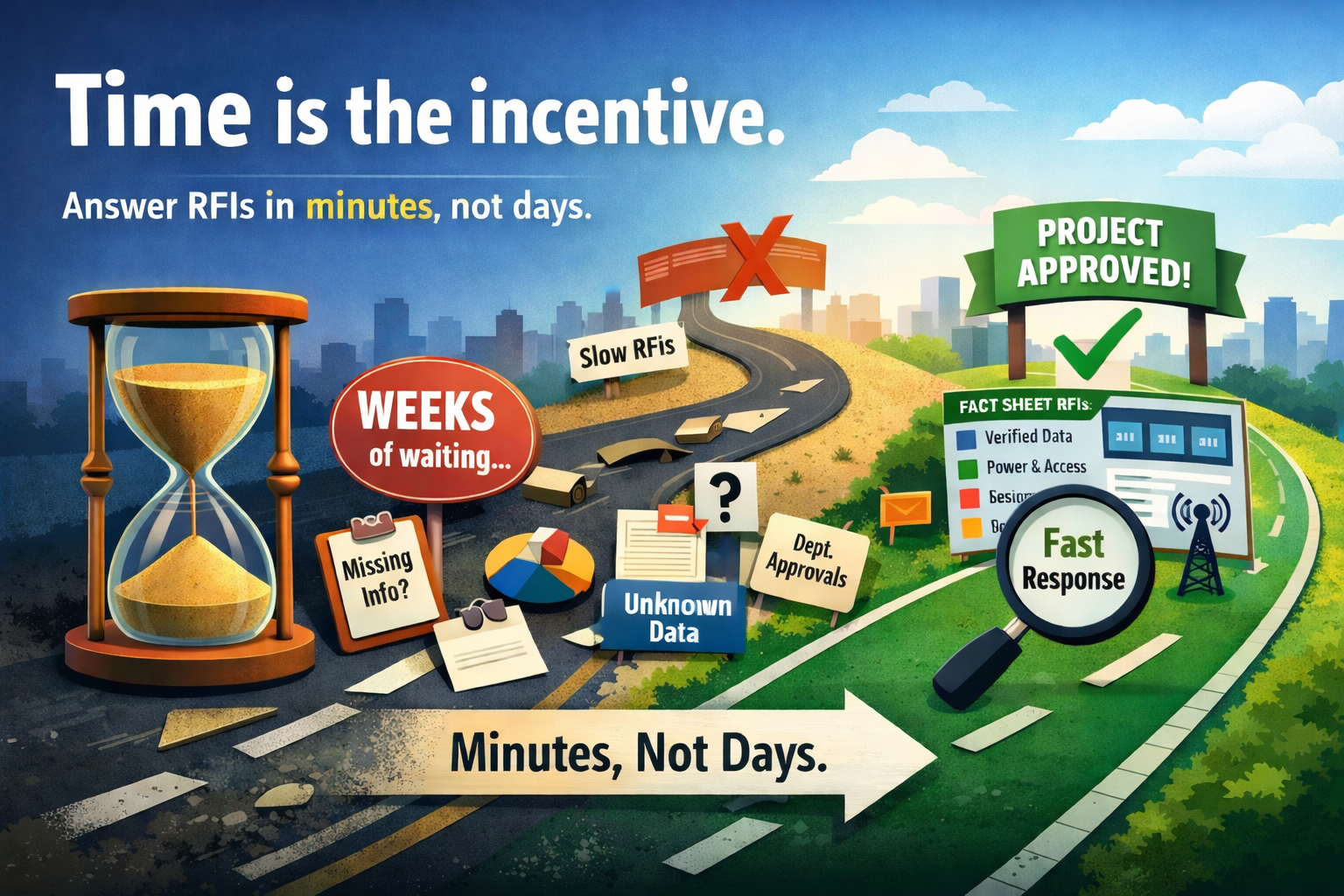
3) Time is the incentive: Answer RFIs in minutes, not days by tightening the first response on power, broadband, zoning viability, access, and what’s verified vs estimated. Read: Time is the incentive.
4) The hiring market for economic developers: More postings usually means more pressure on sites, housing, workforce, and project load. Browse: 57 new economic development jobs this week.
5) Another practitioner news scan: Steal one idea for your next board memo or quarterly update. Read: Economic development and developers in the news #228.

6) International deals, local execution: Global work still lives and dies on follow-through, partner trust, and speed. Listen: Podcast 206.

7) The project that looked ready: Readiness is a chain, and the weakest link always reveals itself at the worst possible time. Worth the skim: The project that looked ready.
8) Doing nothing is a decision: Drift is usually the bigger risk on housing, sites, and workforce, especially when peer regions are moving. Read: Why do nothing often the riskiest economic development.
9) Stormwater is “hidden site readiness”: Retention ponds, detention, and drainage can be the difference between “shovel-ready” and “not even close.” Watch: Do retention ponds actually work?.
10) Industry strategy, but make it concrete: Life-cycle thinking helps you pick the play, recruit, retain, modernize, or diversify. Read: Industrial life cycle analysis as an economic development tool.
11) Secrecy deals and mega-sites: The governance muscle matters when the project scale outruns local process. Read: Wisconsin communities signed secrecy deals for billion-dollar data centers.
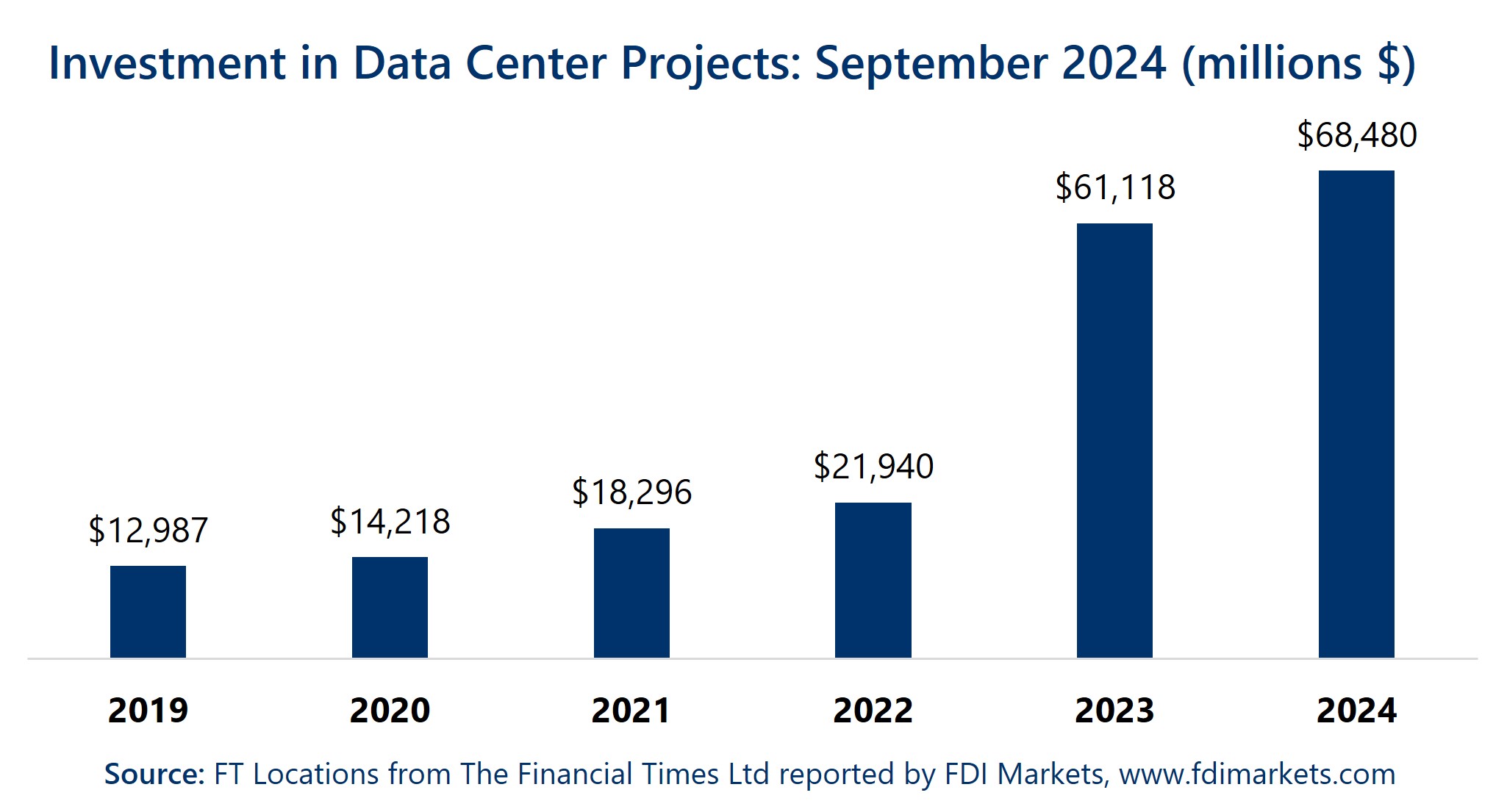
12) The data center land grab: Your constraints are power, water, sites, and speed, not “how do we market ourselves.” Start here: Growth and investment in the data centers market.
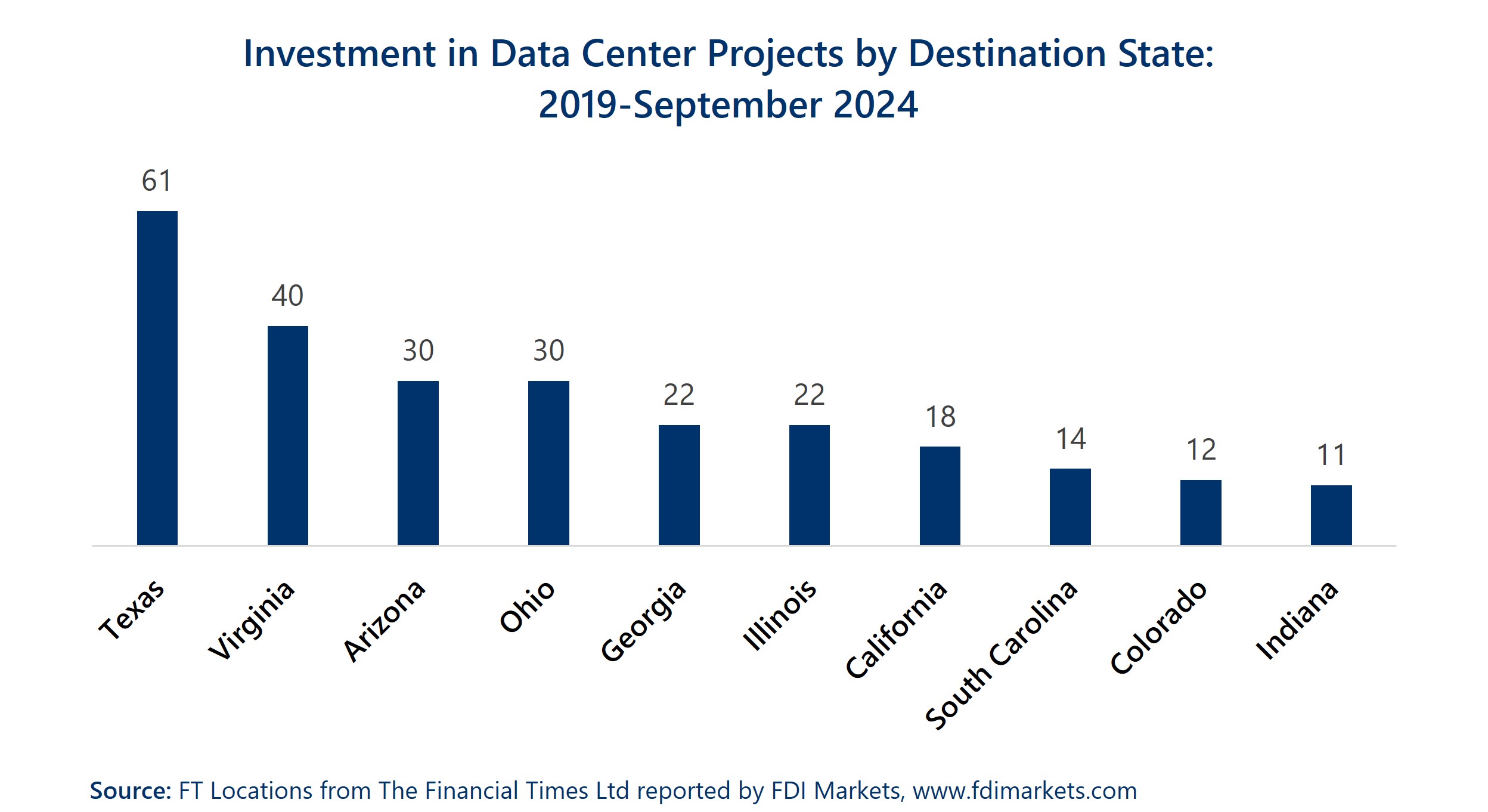
13) Amenities are not the whole story: The lived social experience of a place can matter more than entertainment for keeping talent. Read: Tolerant neighbors matter more than entertainment. Also, a one-time grant is a catalyst, not a foundation.
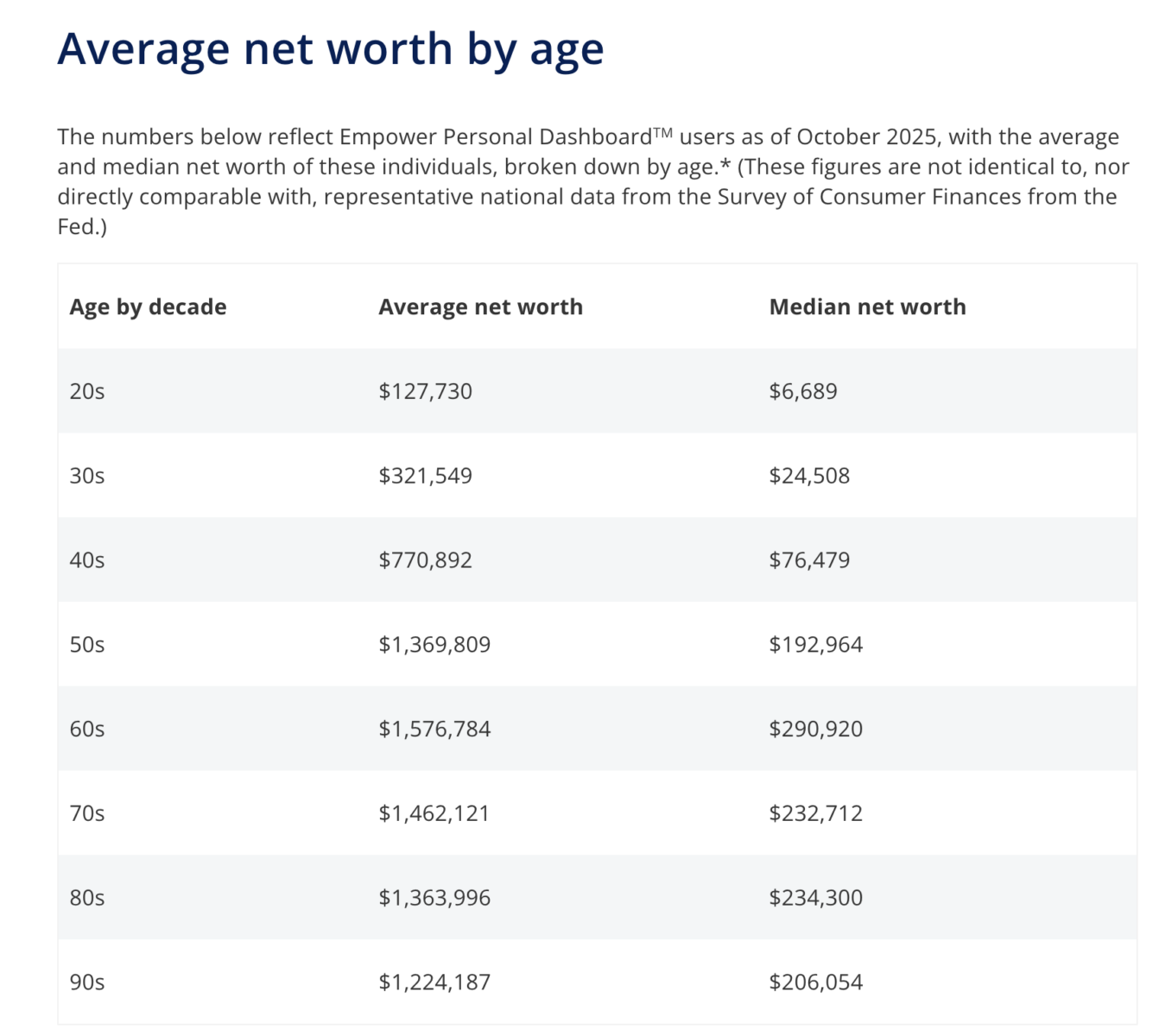
14) Average net worth by age: The medians are the punchline, and they shape what households can absorb in rent, ownership, and taxes. In this table (Oct 2025): 20s median net worth is $6,689, 50s median is $192,964.
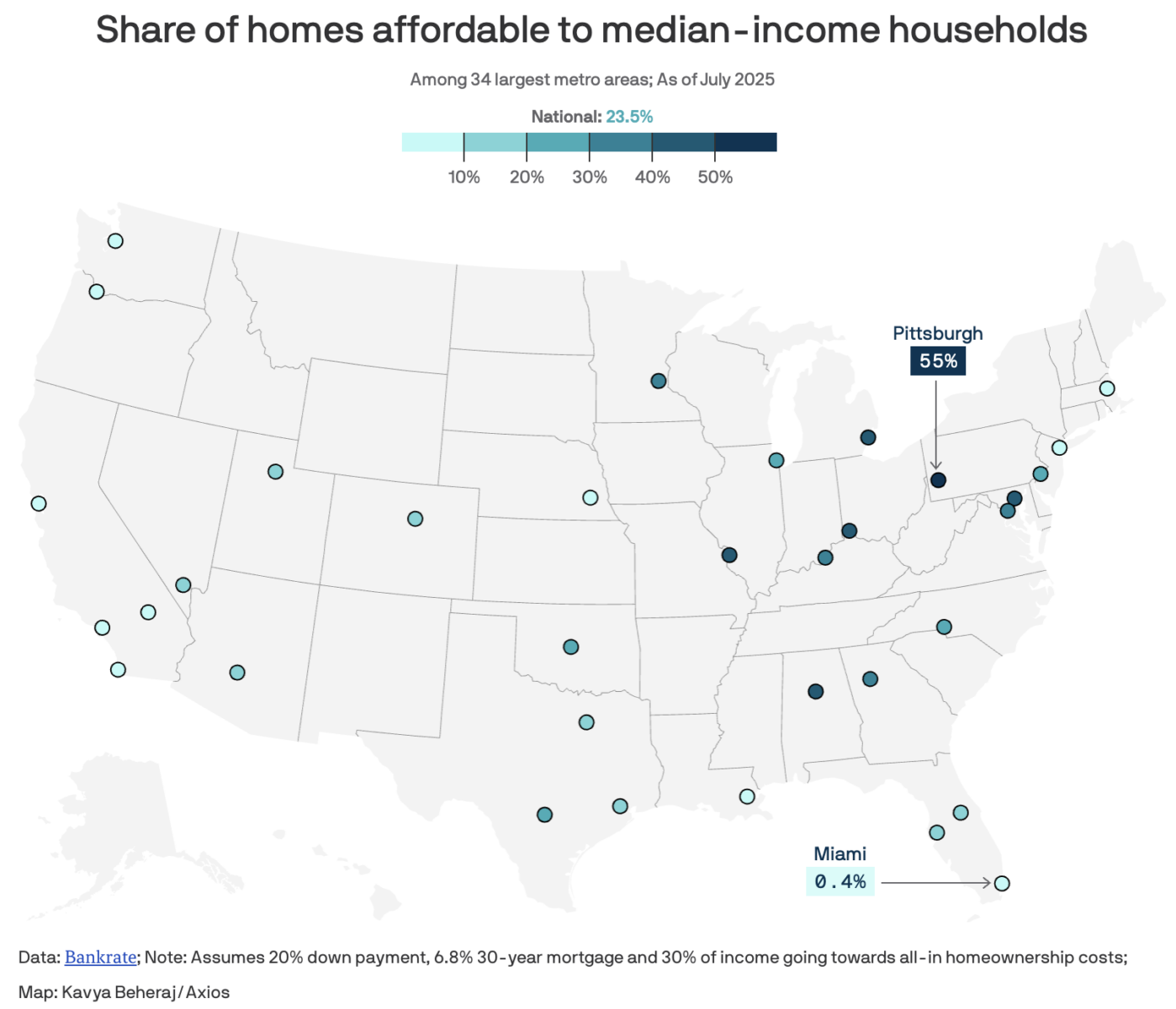
15) Housing affordability by metro: This is a workforce pipeline problem, not just a housing problem. The map shows national affordability at 23.5% (July 2025), with Pittsburgh at 55% and Miami at 0.4%.
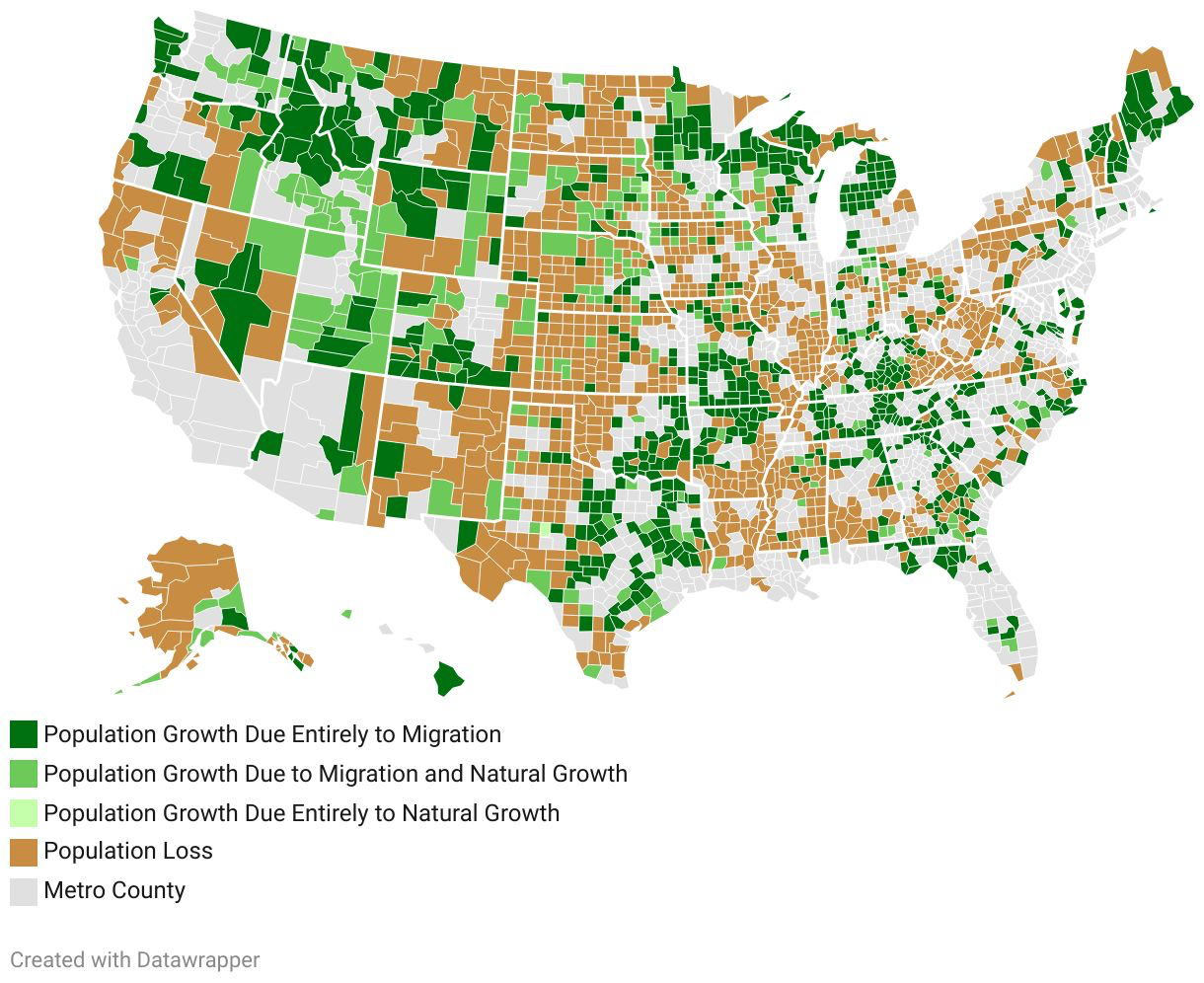
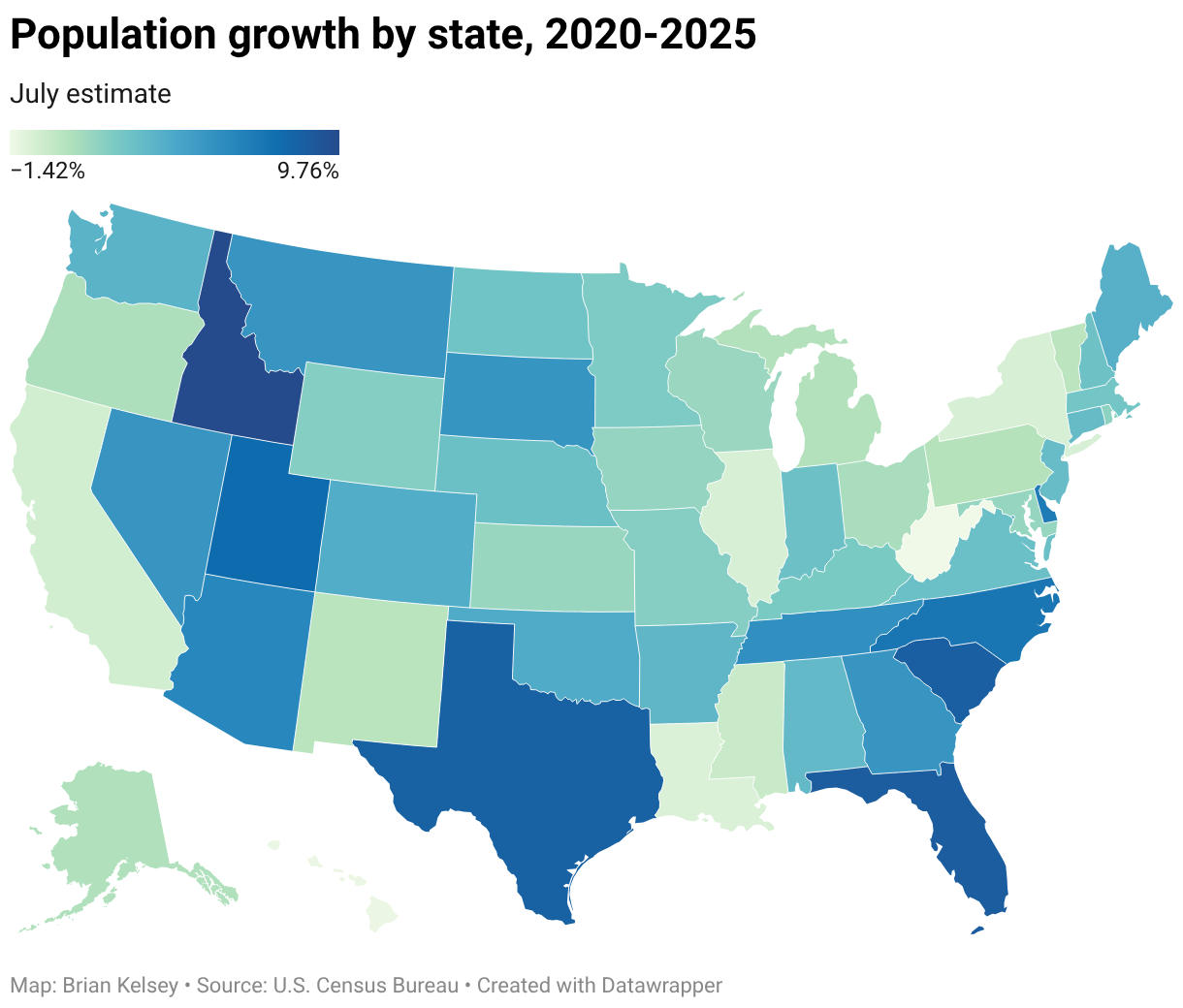
16) Population growth via migration: Natural increase is fading, so attraction and retention become the whole game in many counties.
17) Immigration and labor supply: Policy shifts show up locally fast, in hiring, wages, housing demand, and school enrollment. Read: Immigration crackdown could shrink U.S. population for first time.
18) The long view, by state: Progress is real but uneven, and “everything is worse” is usually wrong in the aggregate. Read: Your state is better now than it was fifty years ago.
19) The Carolinas keep popping: Place brands compound, but so do supply chains, institutions, and product. Read: The Carolinas shine again in latest metro rankings.
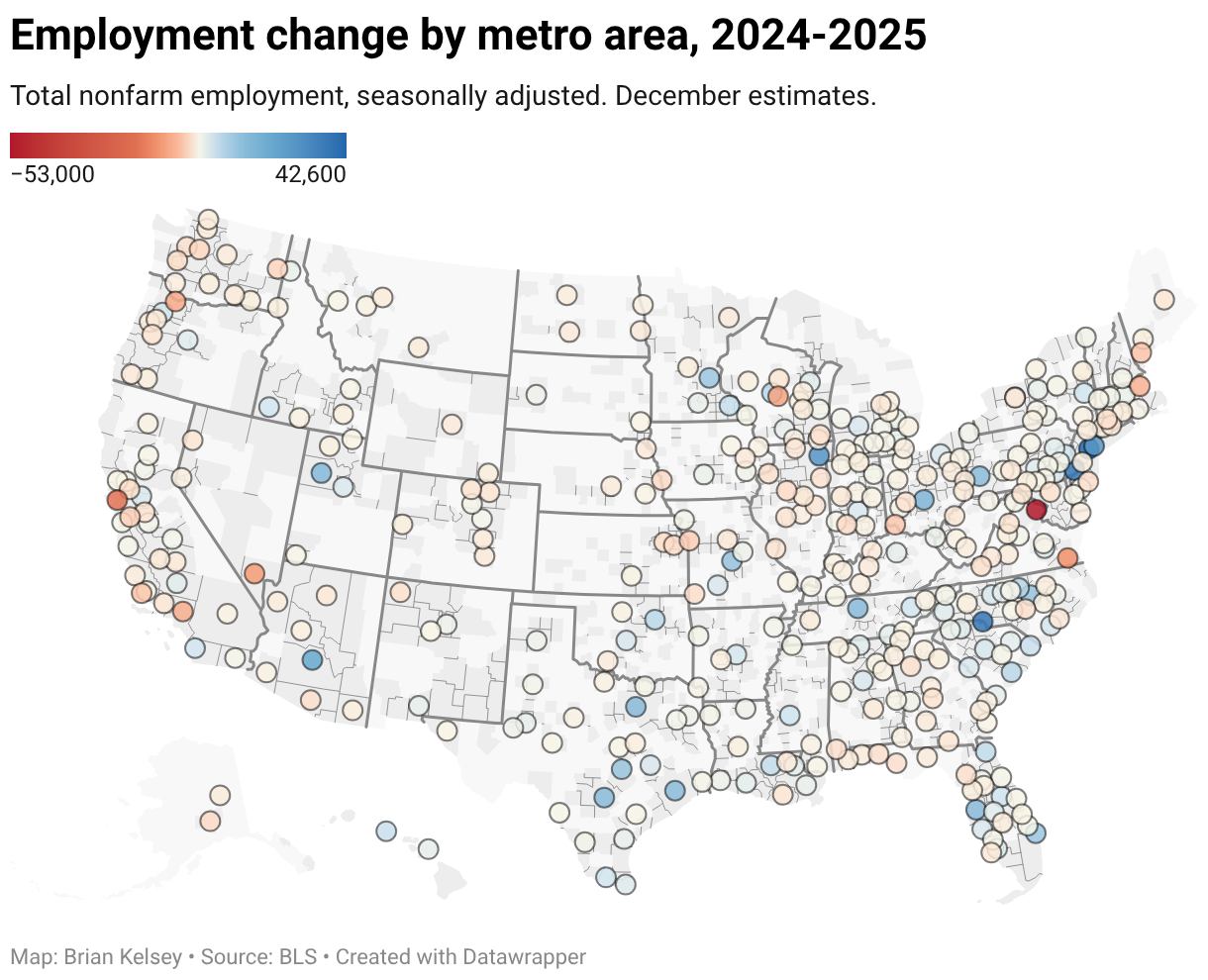
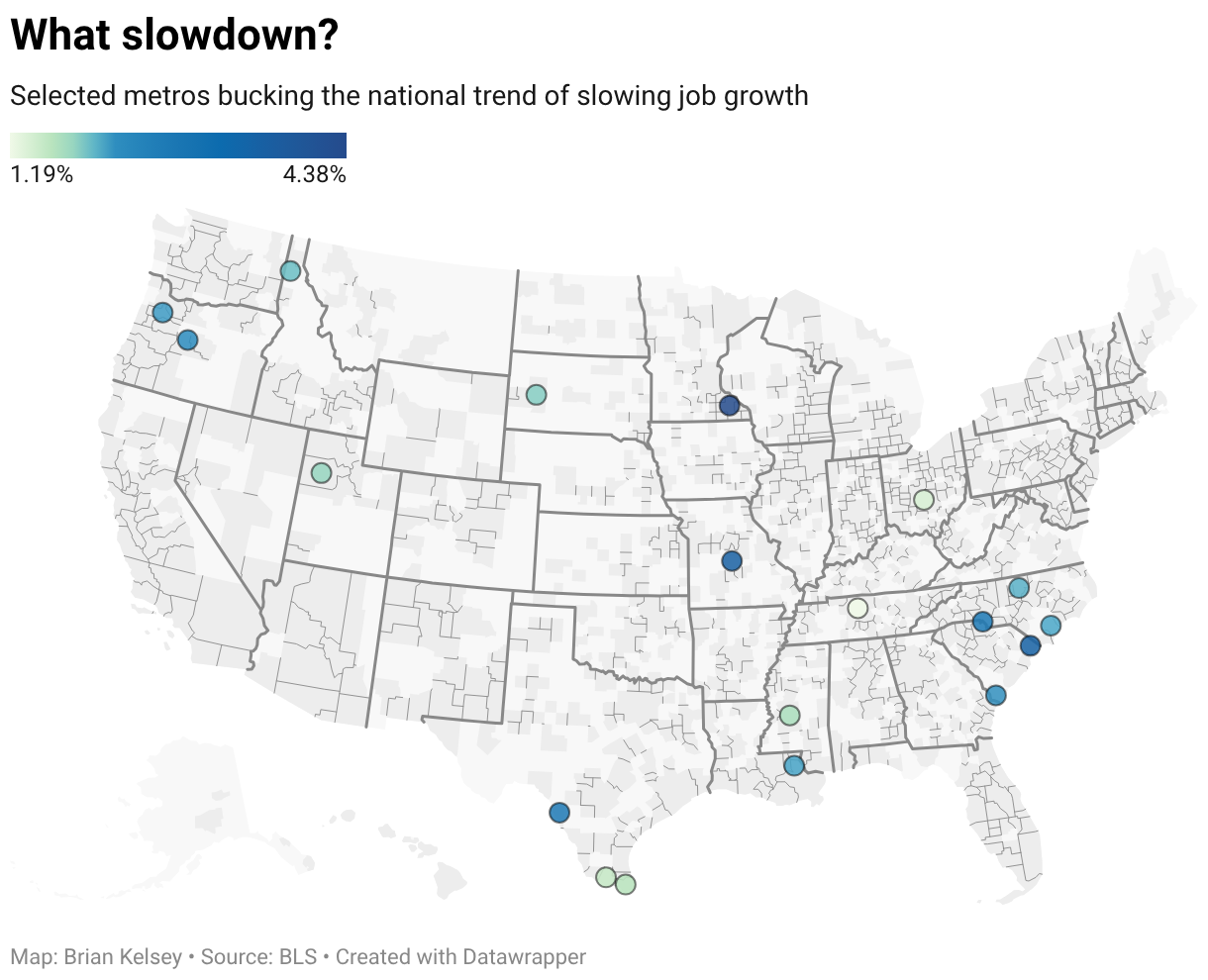
20) “What slowdown?” metro edition: National averages hide local outliers, and those outliers are where deals and talent tend to stack. Read: What slowdown?.
21) Writing is still leverage: Clear text builds trust faster than shiny formats, especially when you’re selling uncertainty management. Read: Text is king.
22) Generic AI is not a strategy: Your moat is local knowledge and better questions, plus the data you can responsibly use. Read: The trouble with generic AI.
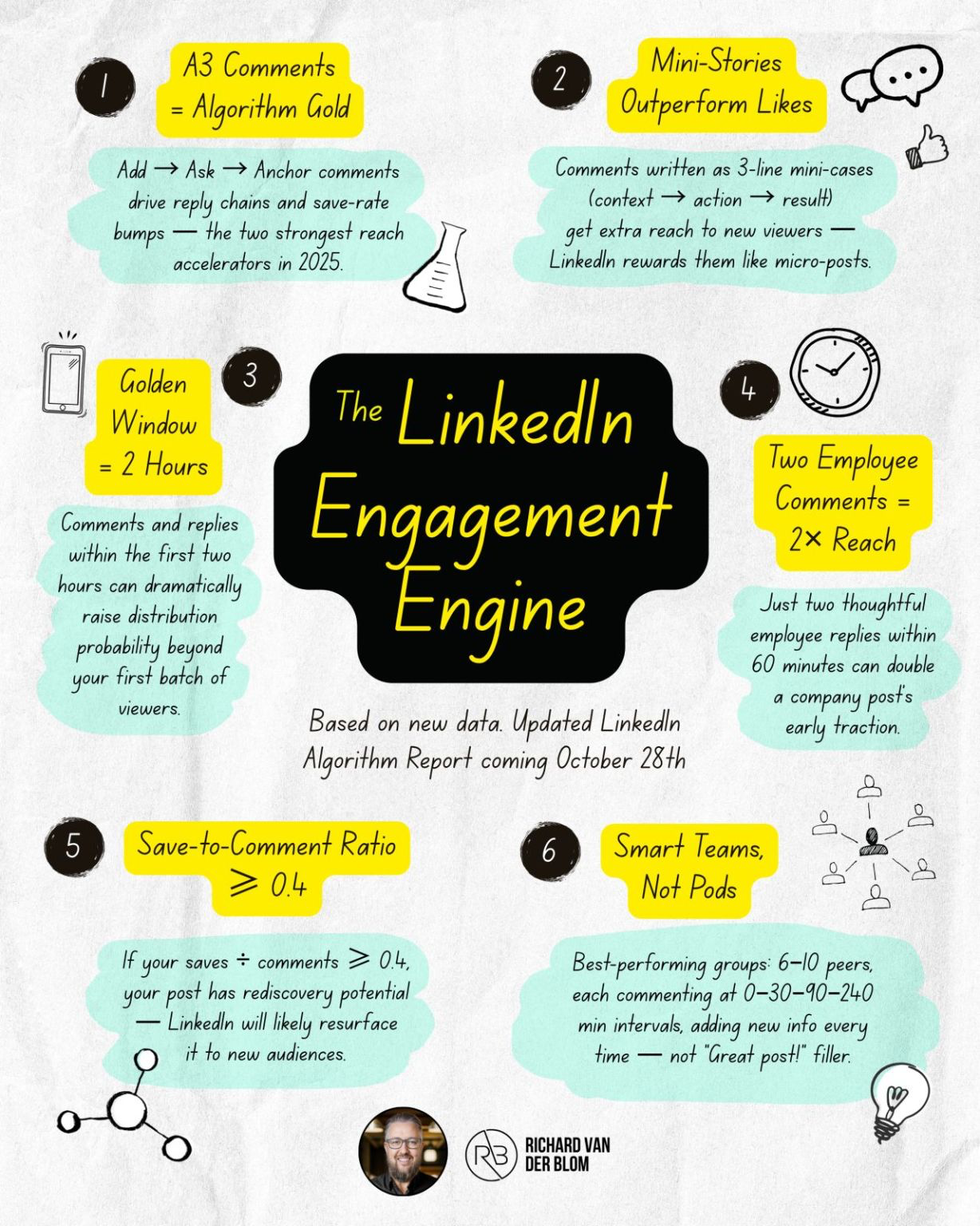
23) LinkedIn engagement mechanics: Distribution is part of the work when your “product” is credibility with decision-makers.
24) A quick practitioner reading list: Borrow the phrasing, even if you do not borrow the conclusions. Start with When aspiration meets arithmetic and Welcome to JCShepard.com, then cherry-pick: Carrie Kelly, LinkedIn feed post, Jim Gibson, AI framing, too crowded, More facts about changing economic development, top convenience stores, Groundhog Day towns, and career perspective.
25) Chinese restaurants vs McDonald’s: A reminder that “clusters” are often immigrant networks, supply chains, and a thousand small bets. Watch: Why American Chinese restaurants outnumber McDonald’s.
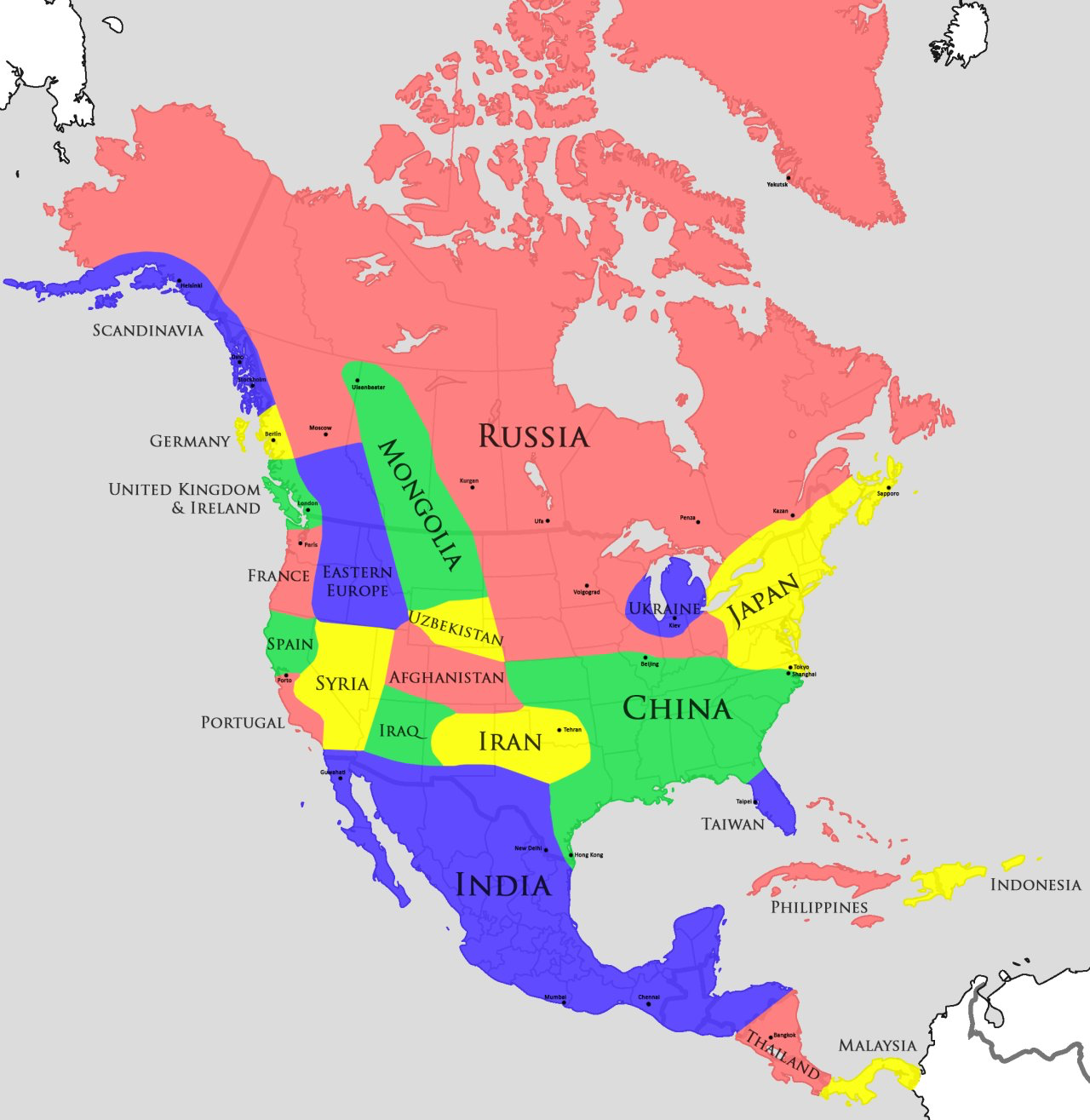
26) North America, renamed by Eurasian climate: A funny map that doubles as a strategy prompt, who does your community think it competes with, and why.
27) Business dinners are still a deal tool: Treat the meal like a four-part meeting and save the actual ask for the end. Worth stealing: a playbook for executive dinners.
28) Electricity is the new economic development headline: Power is proxy for industrial might, and it’s the foundation for data centers, manufacturing, and everything “electro-industrial.” Read: electricity is the foundation of the economy.
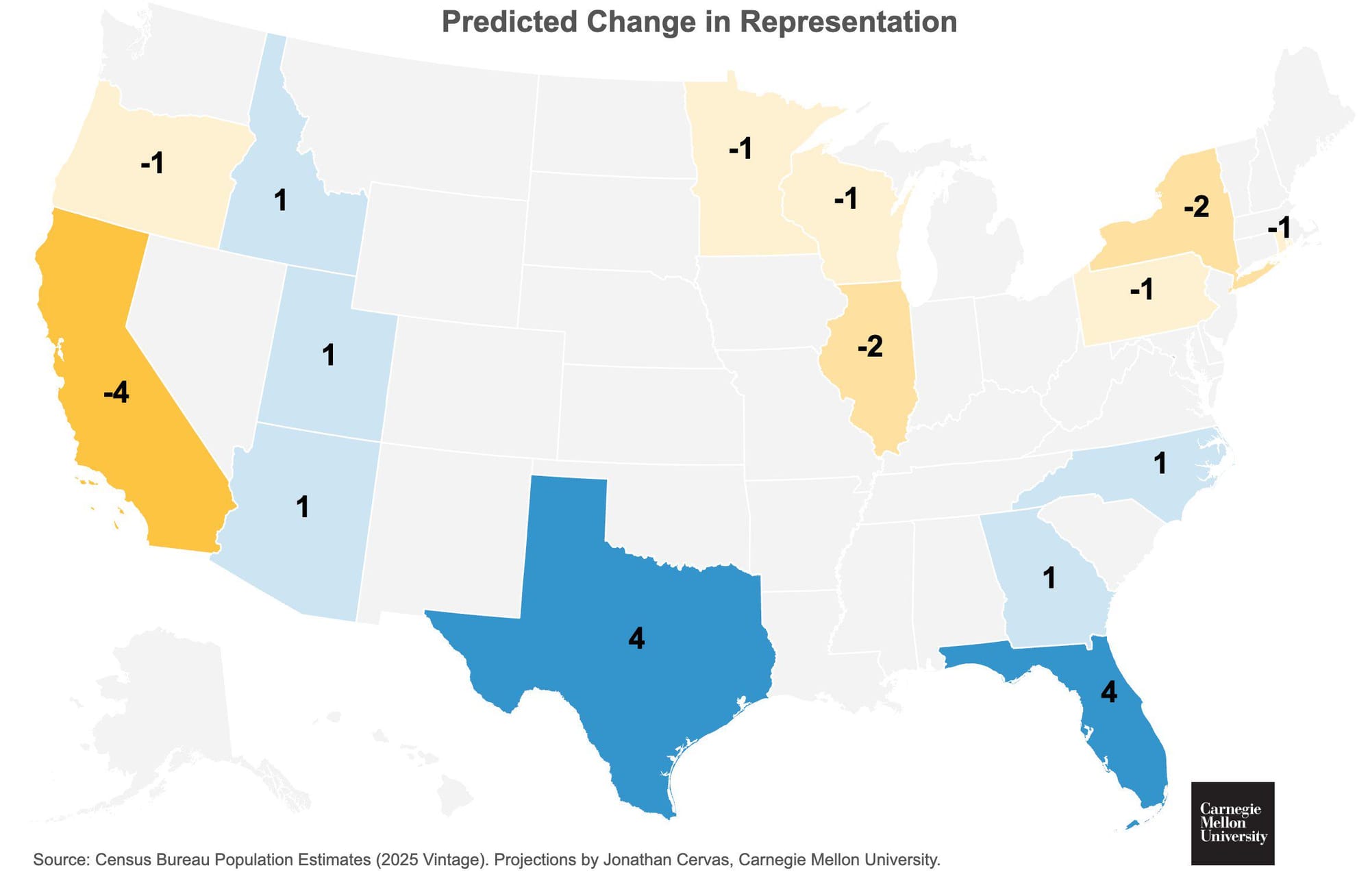
29) Demographics turn into political math: Where people move shows up in power and funding, with projected 2030 Electoral College shifts favoring fast-growth states. See the map: Electoral College seat changes in 2030.
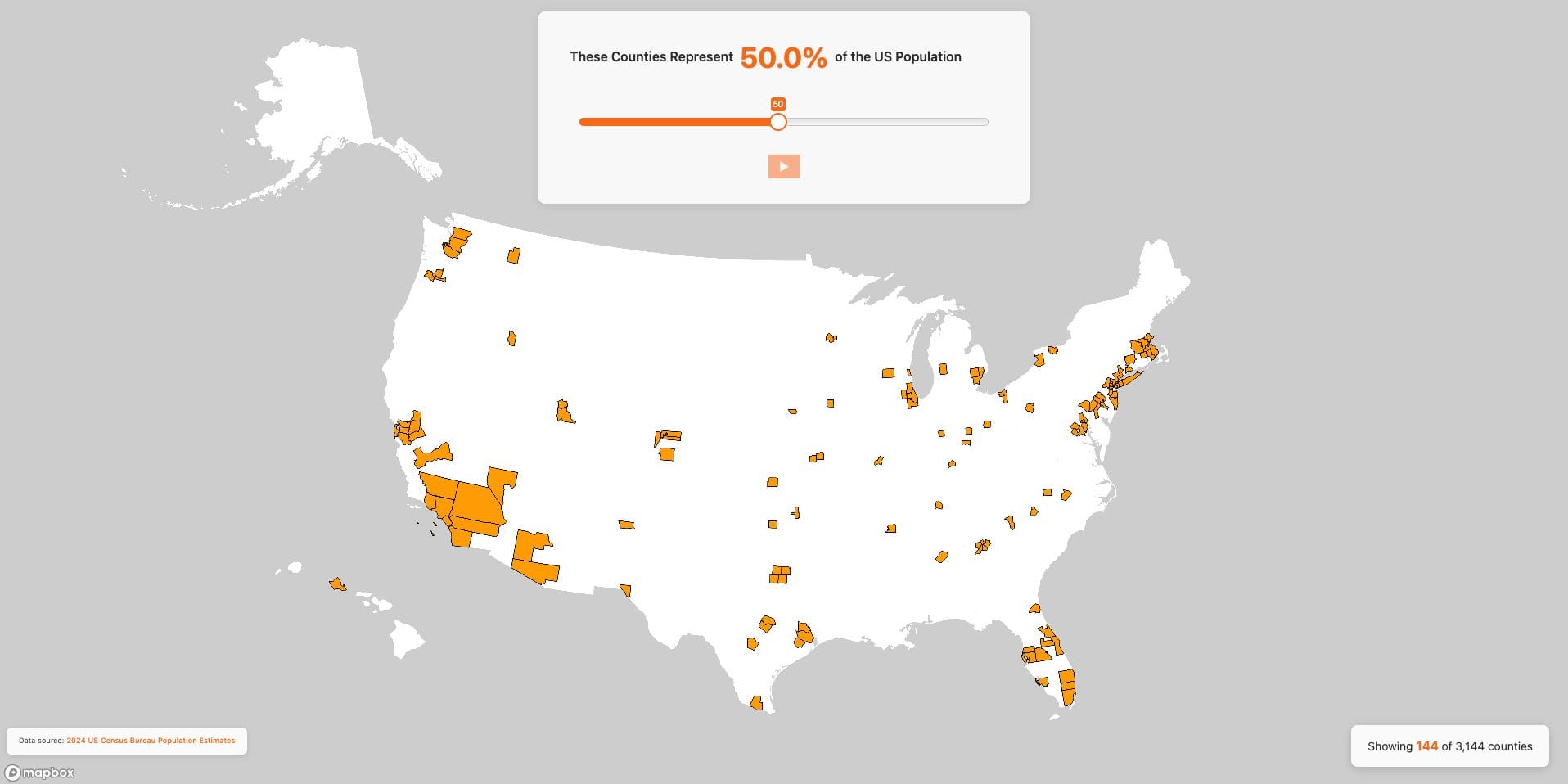
30) Half the country lives in 144 counties: National trends are really a handful of mega-regions, which matters for labor markets, site selection, and how you define your peer set. Explore: population concentration map.