36 Things Economic Developers Need to Know This Week
The stories Dane thinks you need to see. February 26, 2026 edition.


The stories Dane thinks you need to see. February 26, 2026 edition.
Welcome to this week's issue of What Economic Developers Need to Know This Week, where we collect links, charts, and ideas about the economy and place.
This week: 36 stories, graphics, and rabbit holes that are mostly relevant to economic development.
If you are wondering what to do with the info in this newsletter: forward one item to a board member or elected official. It makes you look prepared.

Today's email is brought to you by Resource Development Group
Founded in 1995, RDG offers customized economic development fundraising solutions exclusively for Chambers of Commerce and Economic Development Organizations. That’s their niche. That’s their specialty.
Their highly experienced team has raised over $2 billion -- yes, that’s $2 billion with a “B” -- for communities of all sizes and organizations just like yours.
Every community is unique. Tulsa, OK, is not Maury County, TN. Atlanta, GA is not Detroit, MI. Chattanooga, TN is not Charlottesville, VA. Don’t use another community’s fundraising playbook and expect the same results!
RDG's experts excel in providing customized economic development fundraising solutions for every situation. So whether you’re a single county EDO ready to kick off your first fundraising campaign or a large regional organization on your third funding cycle, they have the team and experience to get you the results you’re looking for.
This Week On Econ Dev Show
1) Economic development and developers in the news #232: Econ dev news from 40 economic development executives and organizations in 21 states. Read: Economic Development and Developers in the News # 232.

2) Podcast 210: Yes, you can skip the public review. Listen: Turning a military base into a manufacturing engine with Eric Voyles.

3) 40 new economic development jobs this week: In 17 states, from $33,093 to $229,705. Browse: 40 new economic development jobs this week.
4) Economic development and developers in the news #231: Econ dev news from 66 economic development executives and organizations in 29 states. Read: Economic Development and Developers in the News # 231.

5) Podcast 209: When Mexico is your #1 trading partner. Listen: Building a cross-border economic engine with Heath Vescovi-Chiordi.

6) Economic development and developers in the news #229: A fast way to see what practitioners are sharing across states and regions. Read: Economic development and developers in the news #229.

7) Time is the incentive: The core message is simple, speed wins projects. Read: Time is the incentive.
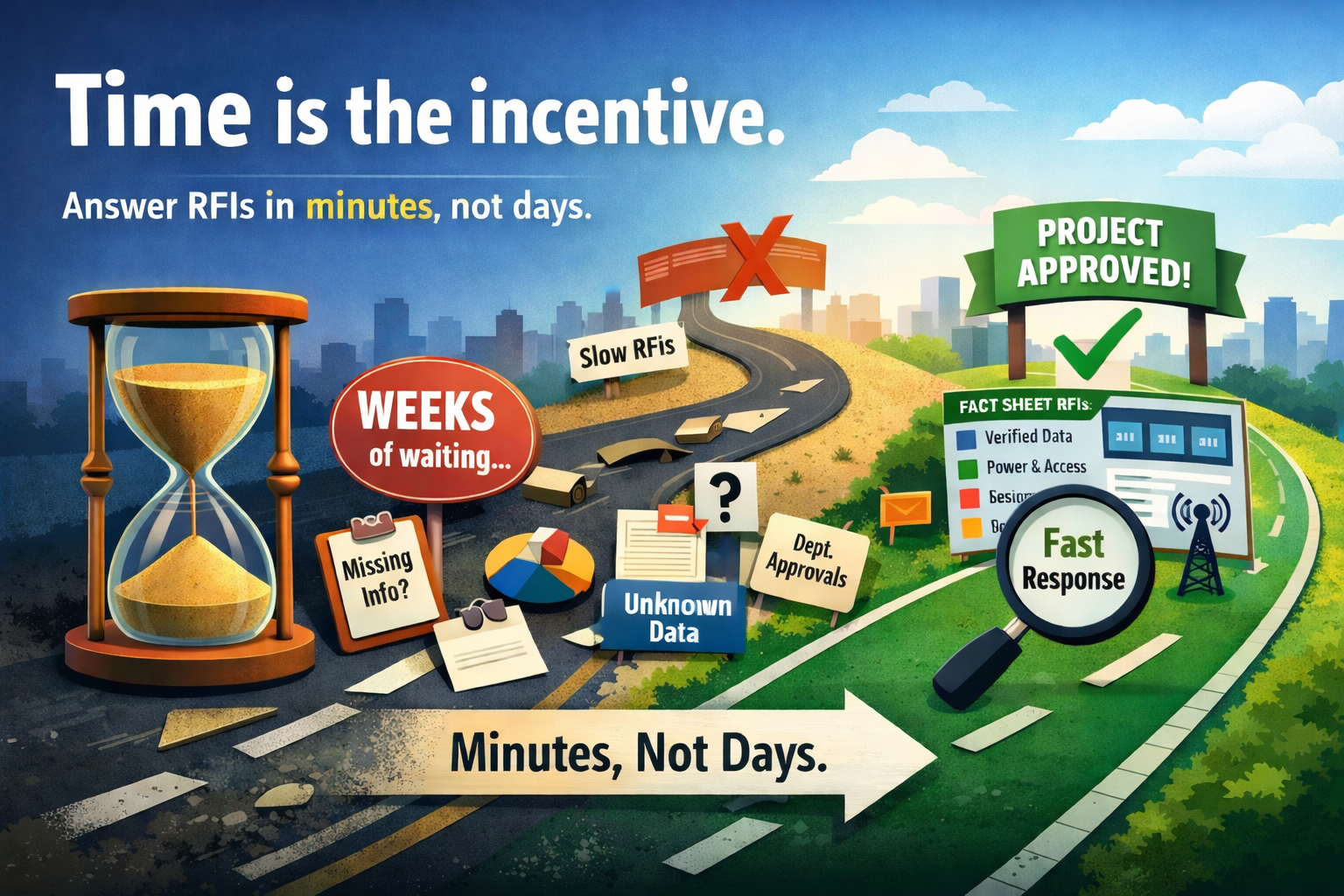
8) Podcast 207, speed to market: A practical discussion of timeline compression as a real competitive advantage. Listen: Podcast 207: Speed to market as an incentive.

The Econ Dev Show is made possible by Sitehunt.
Sitehunt (created the Econ Dev Show's host Dane Carlson) will not replace your relationships, manage your BR&E visits, or do your board politics. It will not invent workforce where none exists, and it will not make you sound smart after one login. Wit and wisdom are still on you.
But if you care about your buildings and sites, and getting the RFI out the door with confidence, Sitehunt may be the smartest small investment you make this year.
Strategy And Execution
9) Groundhog Day for local strategy: A concise reminder that repeating last year’s playbook rarely changes outcomes. Read: Don’t let every day be Groundhog Day in your town.
10) Do nothing risk: Political caution can look safe in the short run but still create deeper long-run economic risk. Read: Why do nothing is often the riskiest move.
11) Preparing for jobs that do not exist yet: Useful framing for workforce strategy when local industry demand is still emerging. Read: Preparing for jobs that don't exist.
12) Hosting business meals on purpose: A practical relationship-building playbook on setup, pacing, and conversation flow. Read: Ken Ashley thread on hosting business meals.
13) Site readiness and stormwater: Drainage and detention details often decide whether a site is truly development-ready. Watch: Do retention ponds actually work?.
14) Consumer networks and market structure: A reminder that entrepreneurship networks can scale into durable industry patterns. Watch: Why American Chinese restaurants outnumber McDonald’s.
15) Career and identity in the field: A different perspective on vocation, mission, and personal fit in economic development work. Read: Why I traded economic development for outdoor mysteries.
16) Practitioner pulse from the field: A quick read on current economic development messaging and priorities. See: Maree Forbes post.
Infrastructure, Economy, And Demographics
17) Data center governance tension: Confidentiality, scale, and public process are colliding in site decisions. Read: Wisconsin communities signed secrecy deals for billion-dollar data centers.
18) Data center market trajectory: A framing piece on growth assumptions and real estate implications. Read: Growth and investment in the data centers market creates real estate opportunities.
19) National slowdown, local exceptions: Metro-level results still diverge sharply from top-line narratives. Read: What slowdown?.
20) Fifty-year state progress check: Useful long-run context for policy and communications framing. Read: Your state is better now than it was fifty years ago.
21) Immigration and labor supply risk: Population shifts can quickly change local workforce, housing demand, and fiscal assumptions. Read: Immigration crackdown could shrink U.S. population for first time.
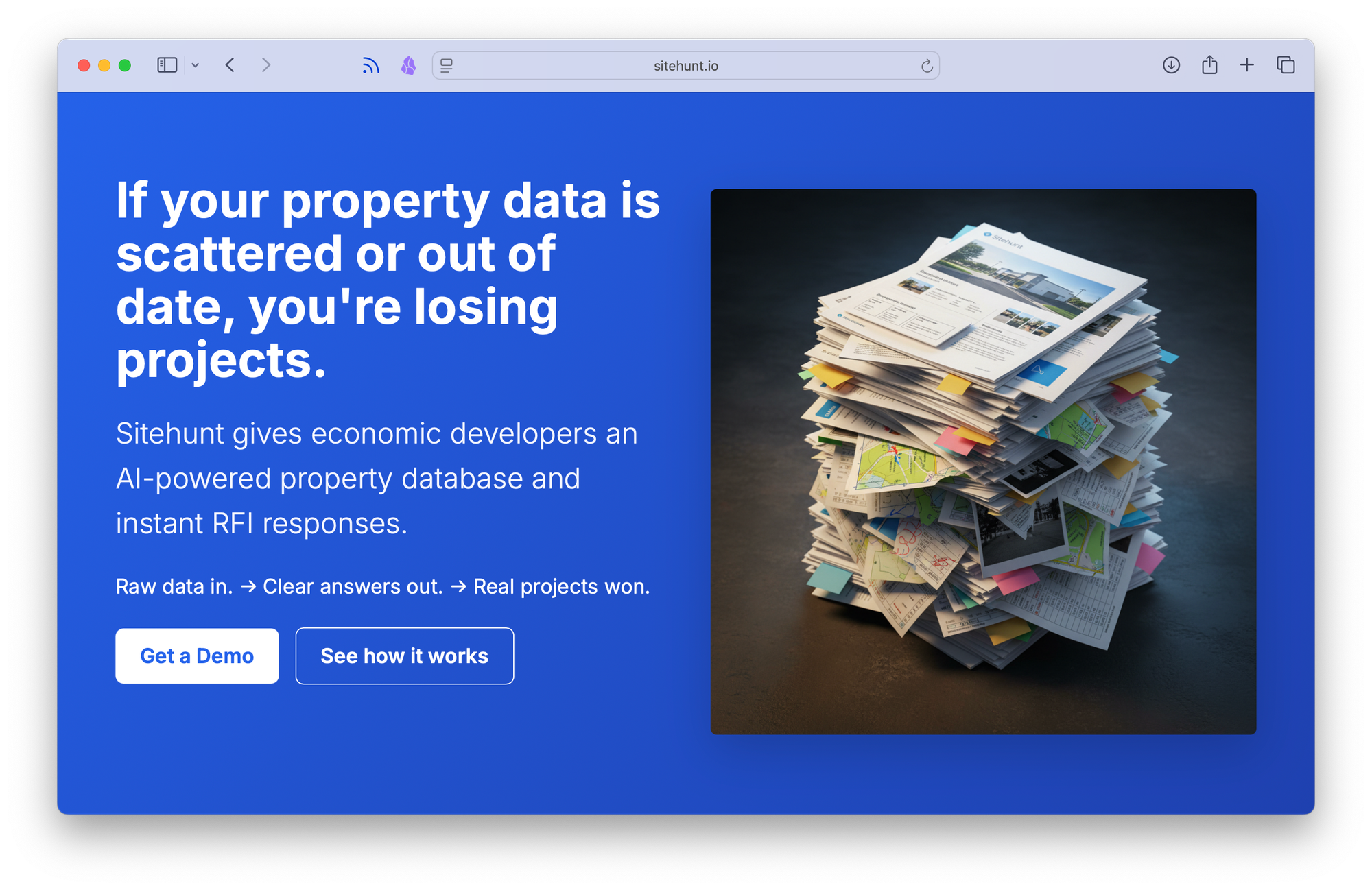
Chart And Map Additions
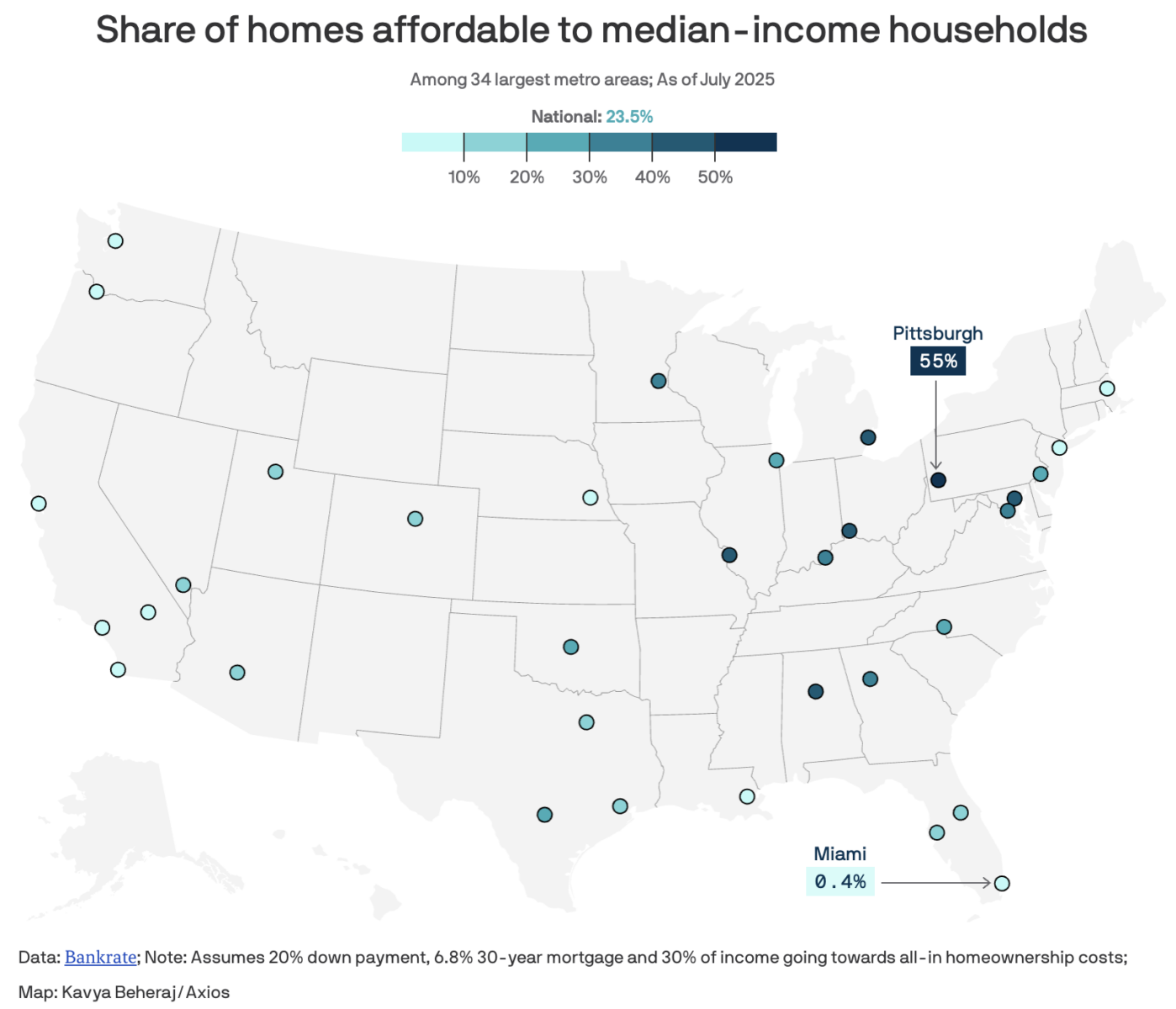
22) Housing affordability pressure: When most listings are out of reach, recruitment and retention get harder.
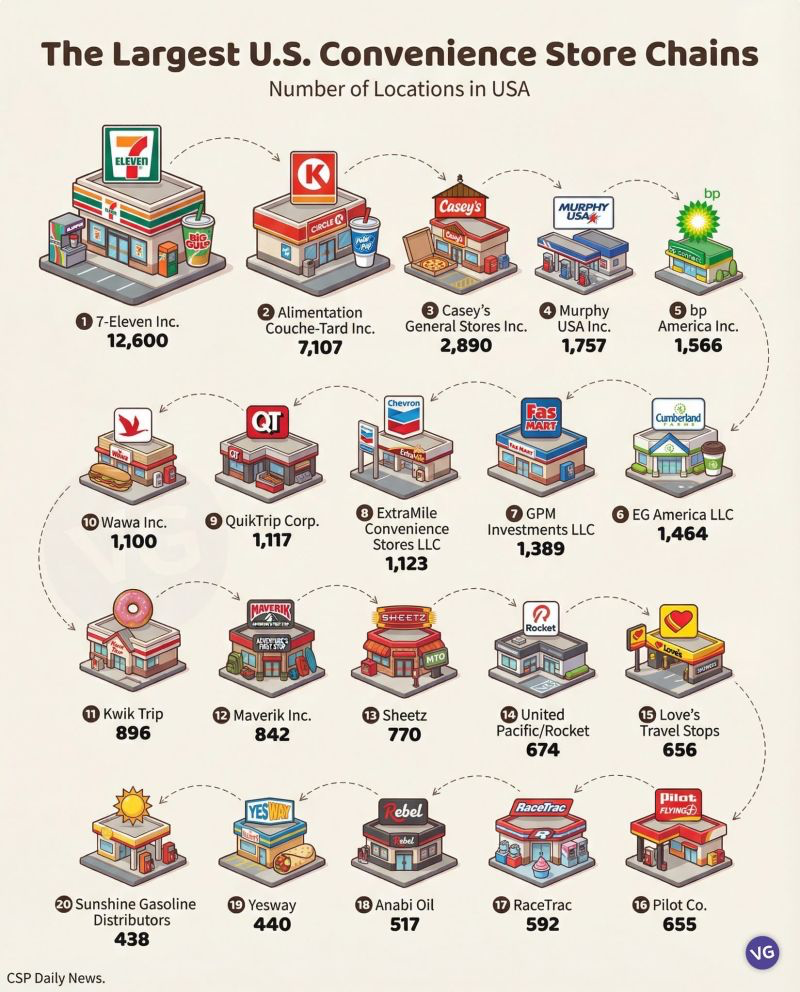
23) Largest U.S. convenience chains: A useful footprint map for understanding retail corridor concentration and brand reach.
From Dane: Not only do I publish the Econ Dev Show newsletter and podcast for free every week, but over the past year, I've also been developing a groundbreaking tool for economic development organizations: Sitehunt.
I've been told it's the first truly practical application of AI in economic development.
Your peers agree. In its first year alone, Sitehunt is already being used by EDOs of all sizes across the country.
Here's what it can do:
- Automatically research and enhance your existing buildings and site database--or even create one from scratch.
- Continuously discover new, suitable buildings and sites within your communities to grow your economic development inventory.
- Generate compelling marketing content for your sites.
- Instantly analyze RFIs and match them to your inventory, ensuring you never miss an opportunity from a site selector.
Can I give you a demo? I promise you'll be amazed at what Sitehunt can do.
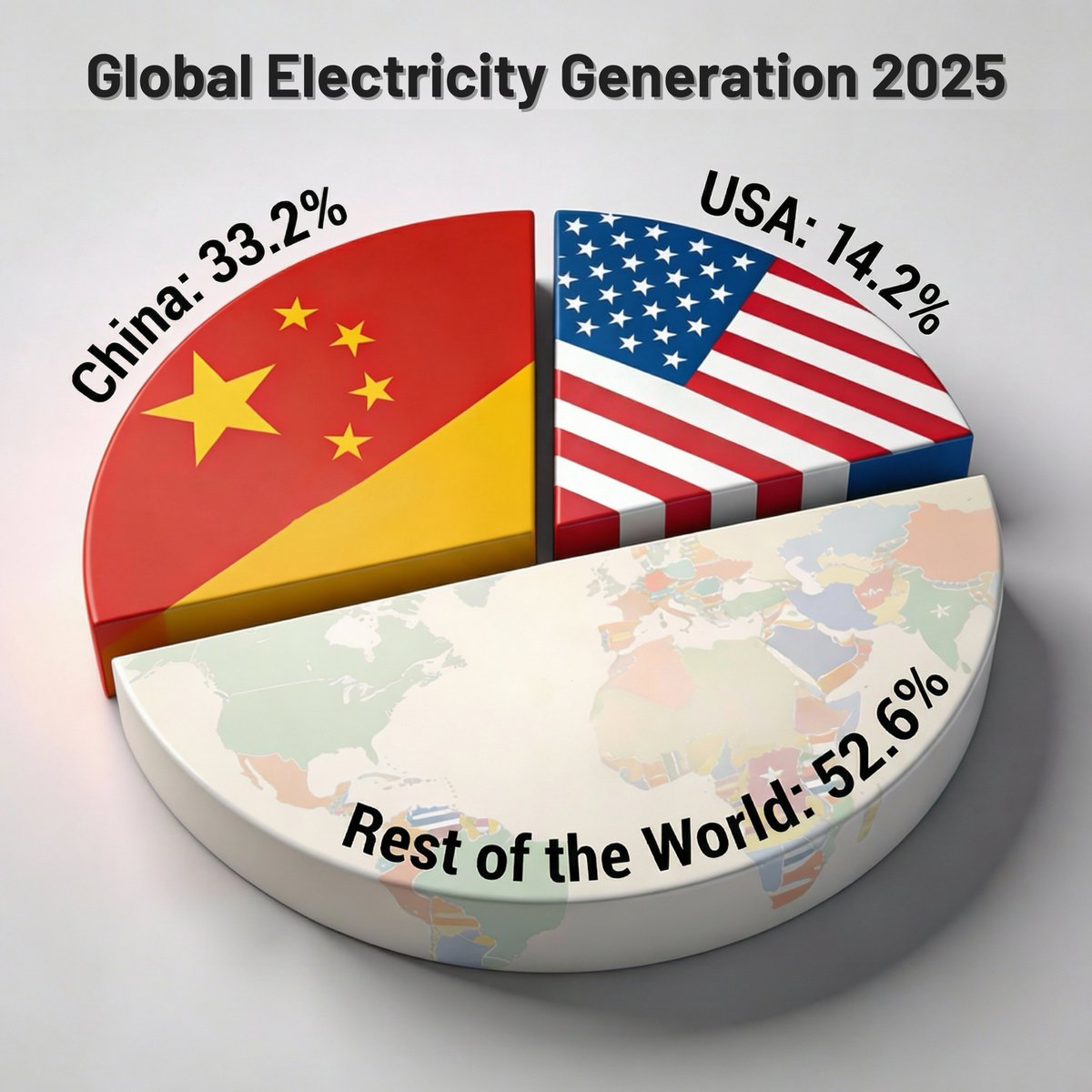
25) Global power weight by country: A visual reminder of how concentrated world electricity generation now is.
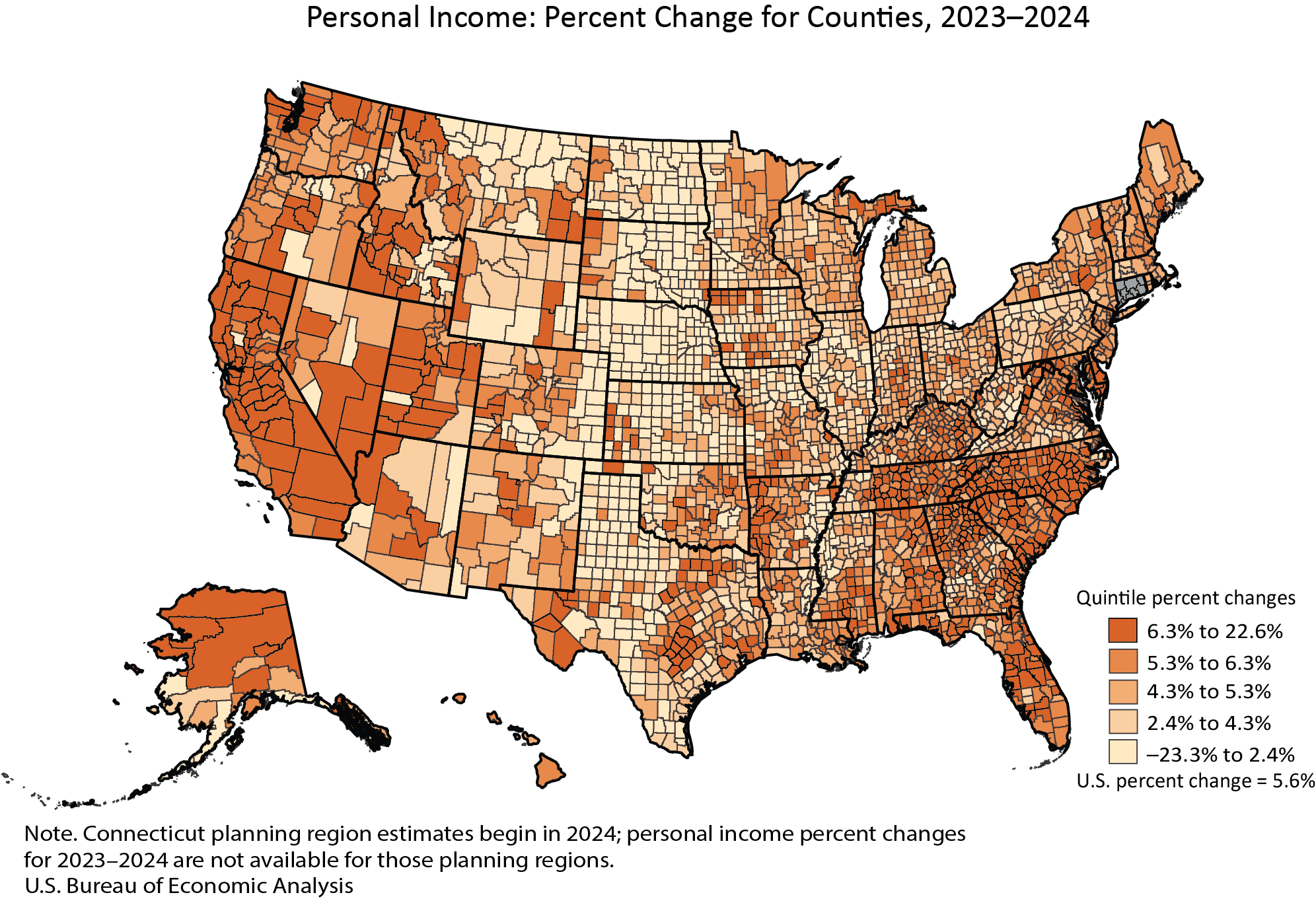
26) County personal income growth map: Strong spatial variation in county-level personal income growth, with a national year-over-year benchmark around 5.6%.
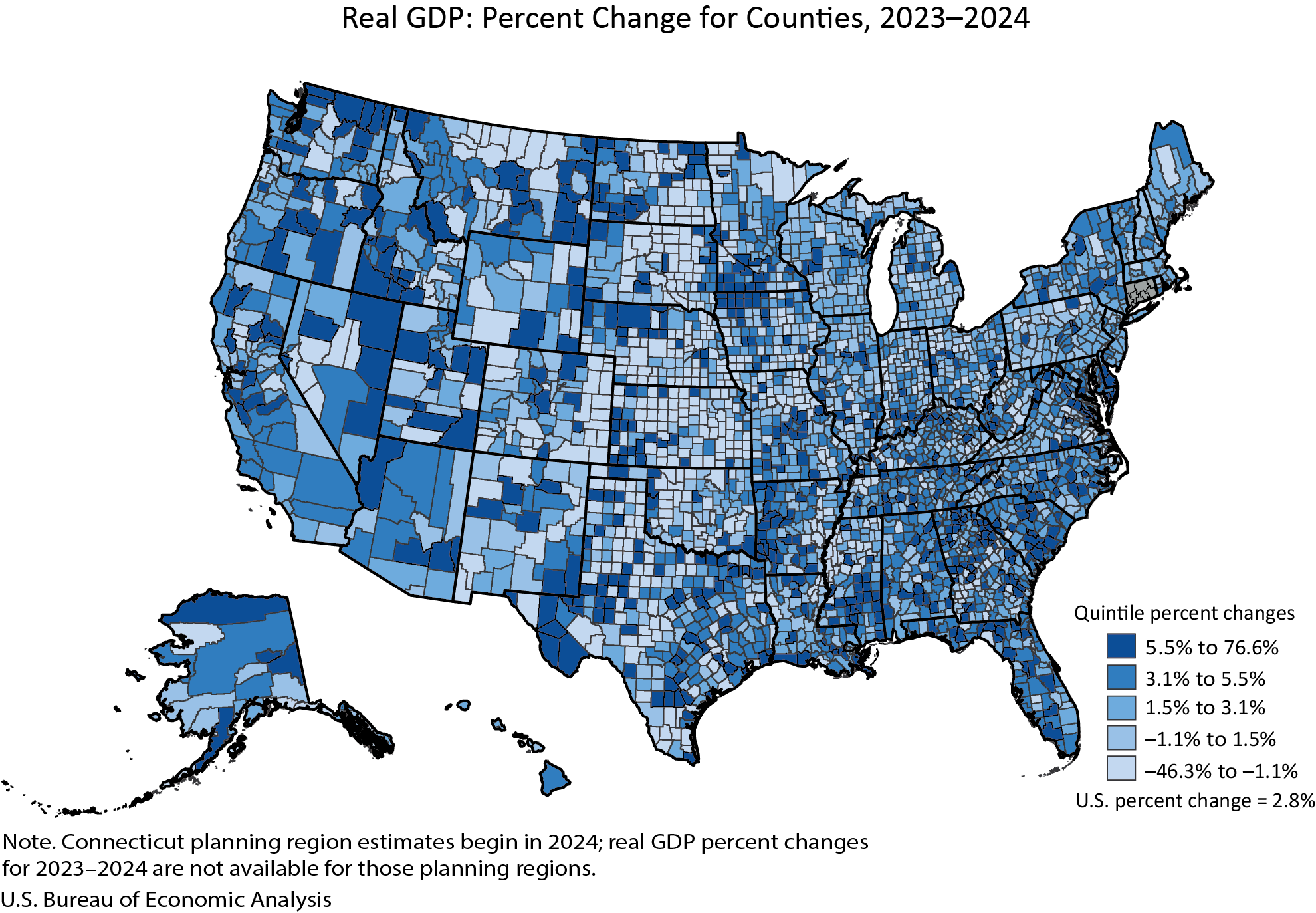
27) County real GDP growth map: A county-by-county growth read showing sharper divergence across regions and local economies.
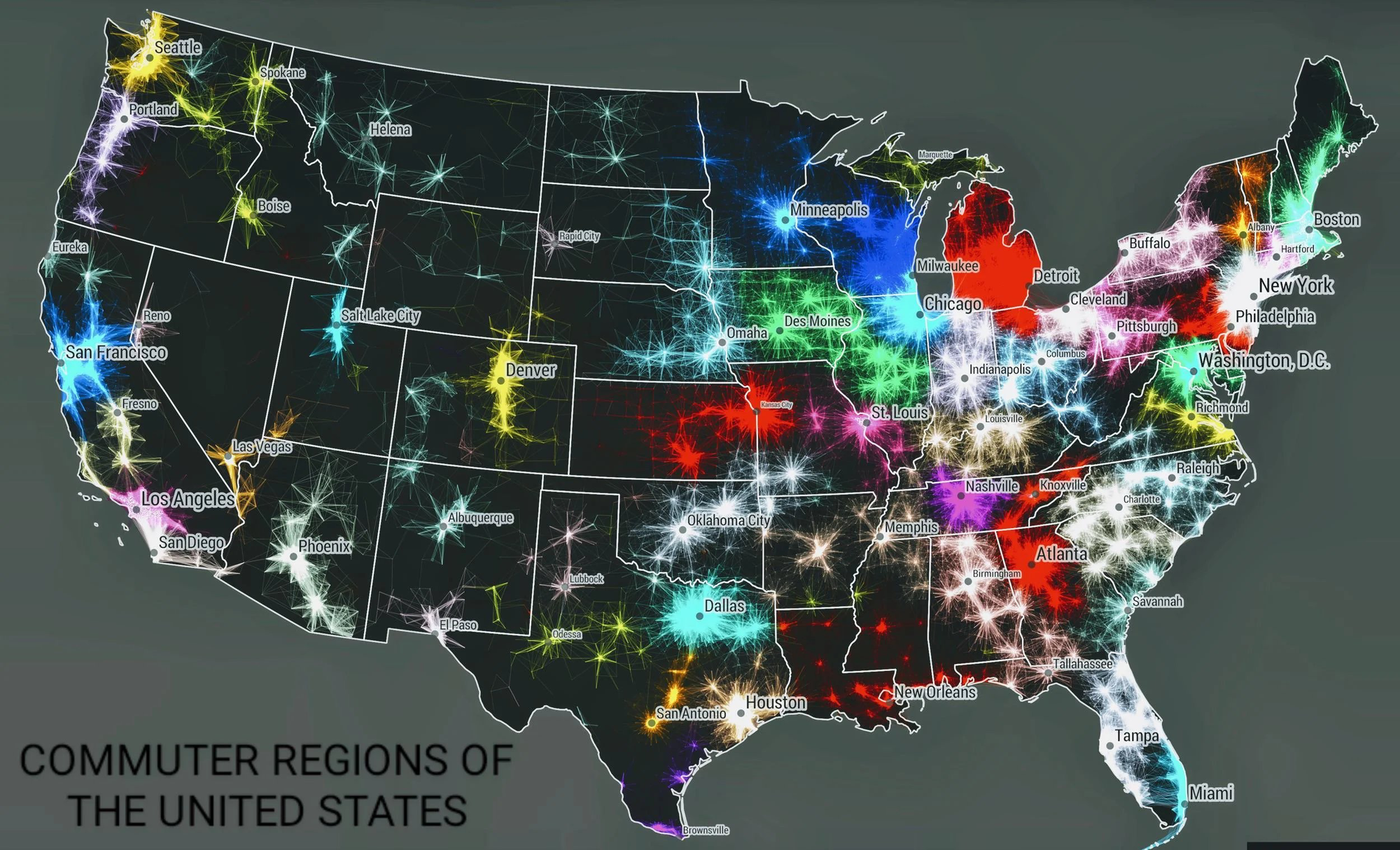
28) U.S. commuter regions map: A useful reminder that labor markets and commuter sheds ignore most political boundaries.
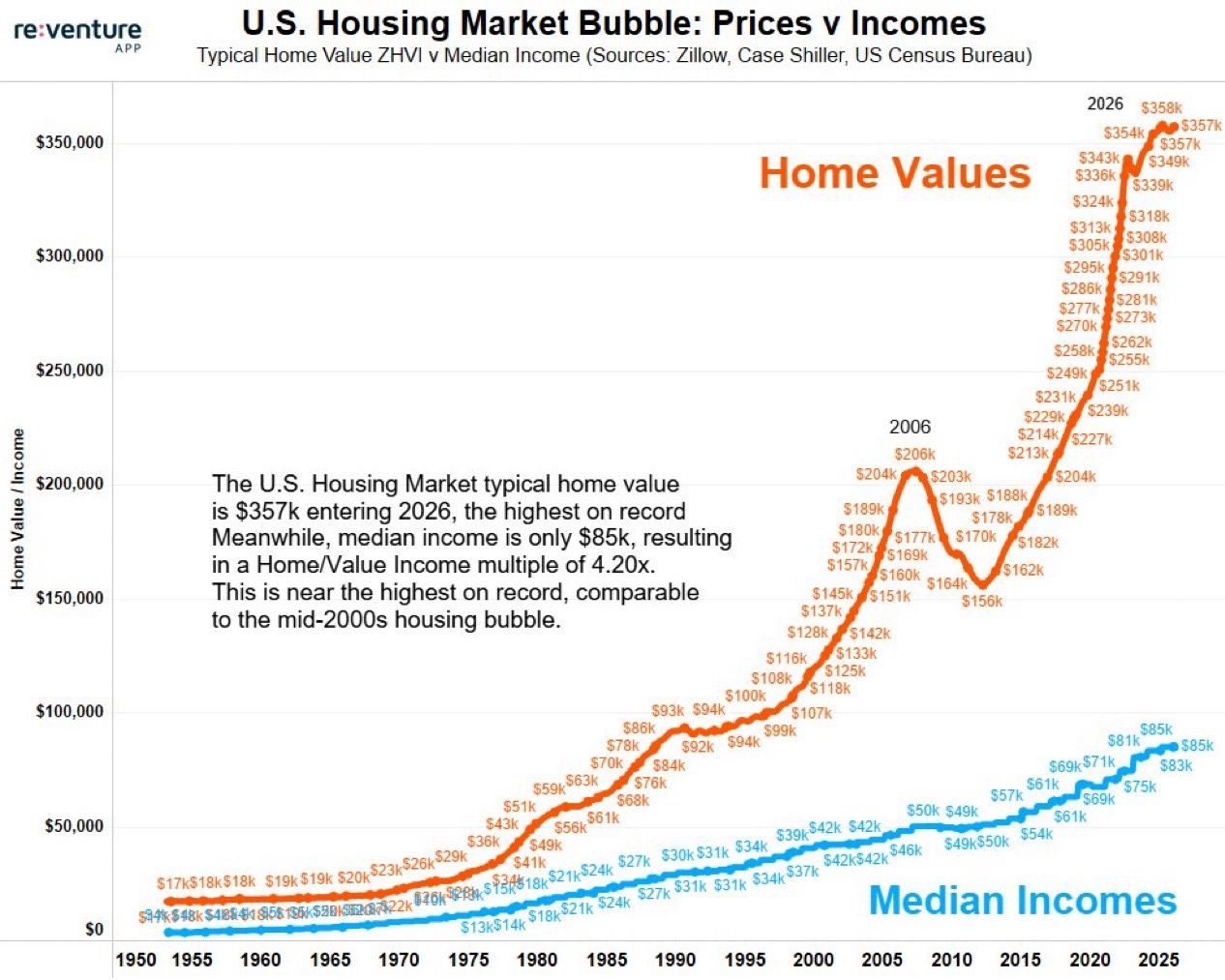
29) U.S. housing prices versus incomes: The home value to median income gap is still running near historically stretched levels.
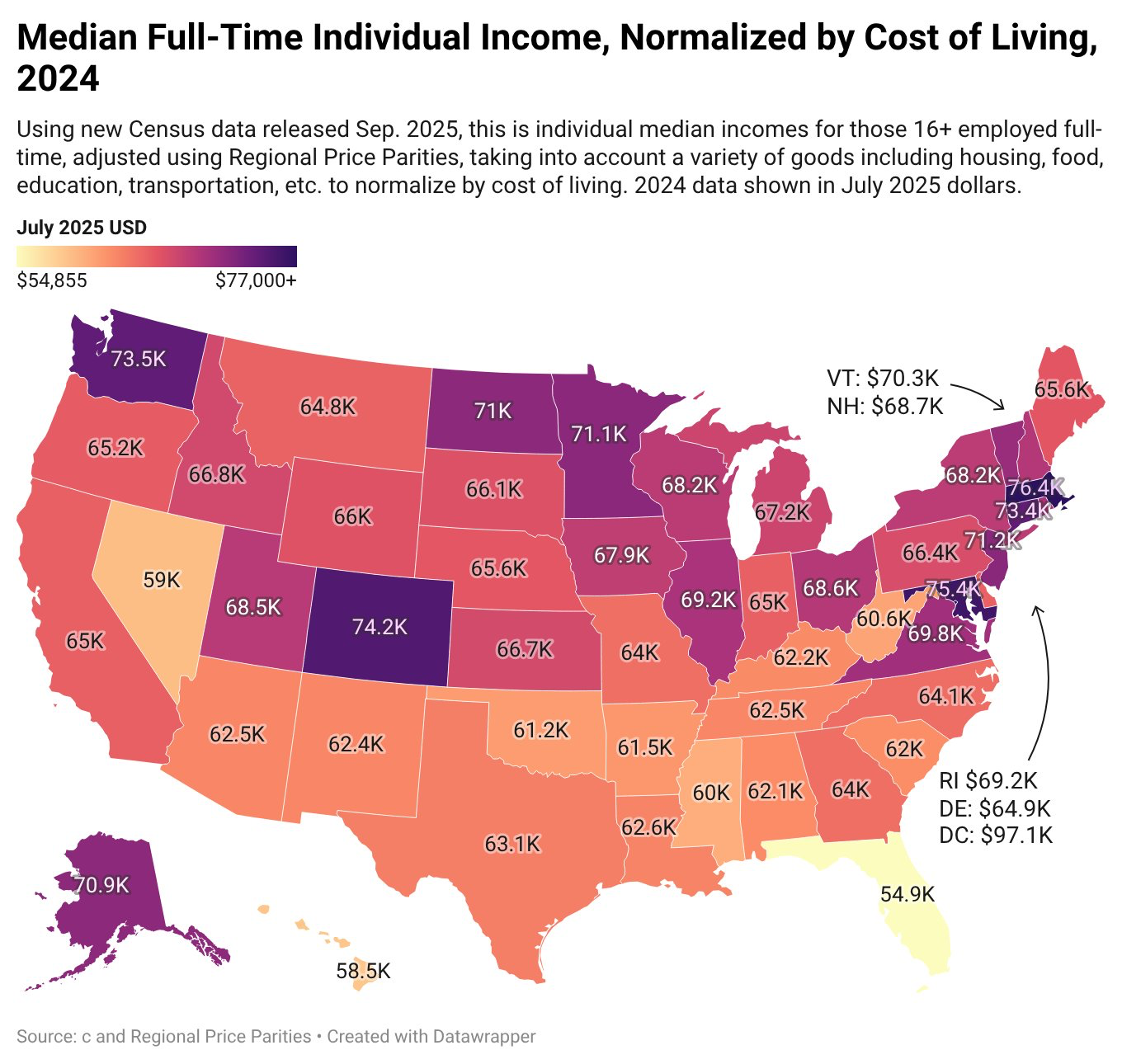
30) Median full-time individual income, cost-of-living adjusted: State-level pay differences remain large even after regional price parity adjustment.
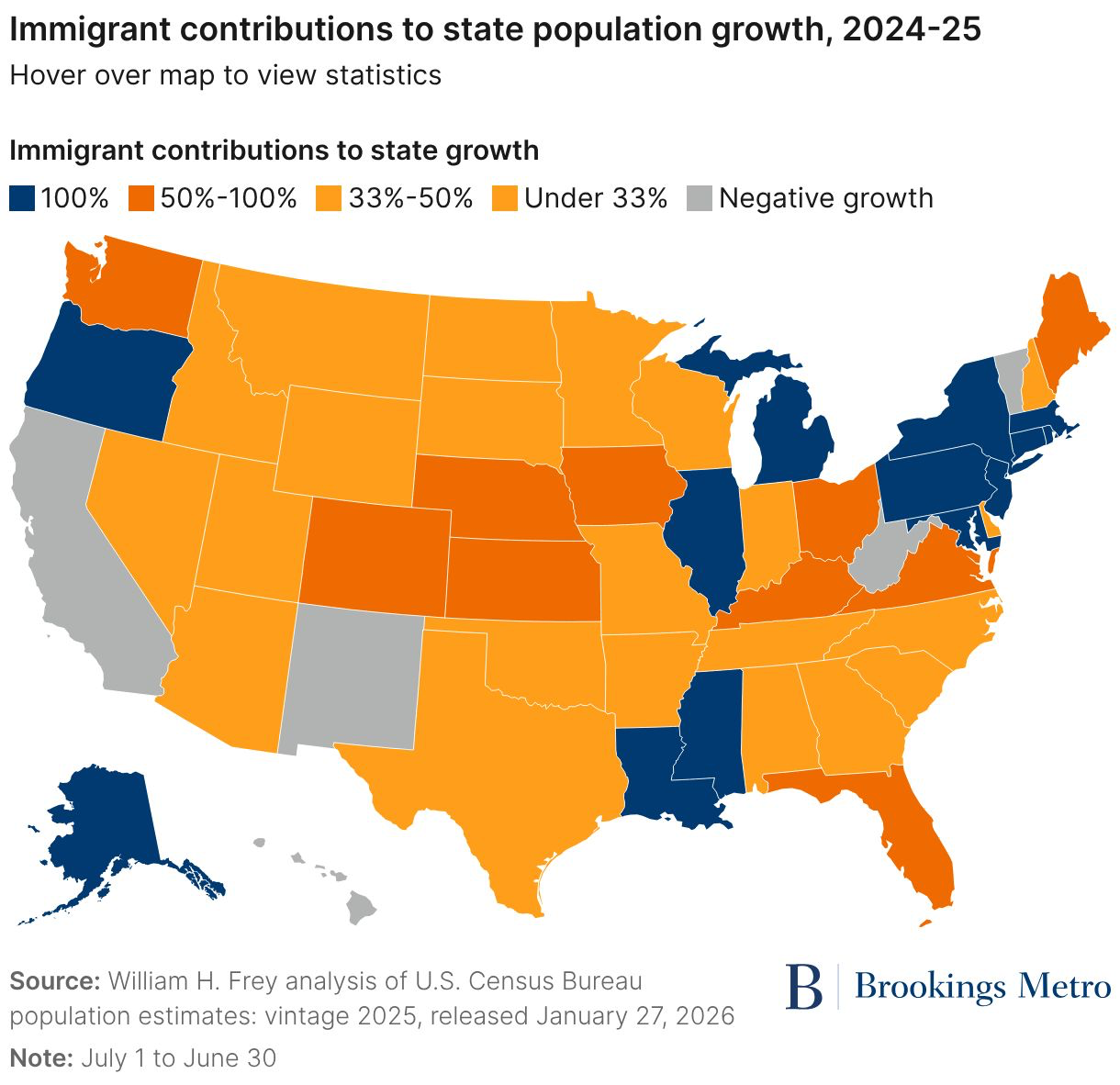
31) Immigrant contributions to state population growth: In many states, international migration is carrying a large share of total growth.
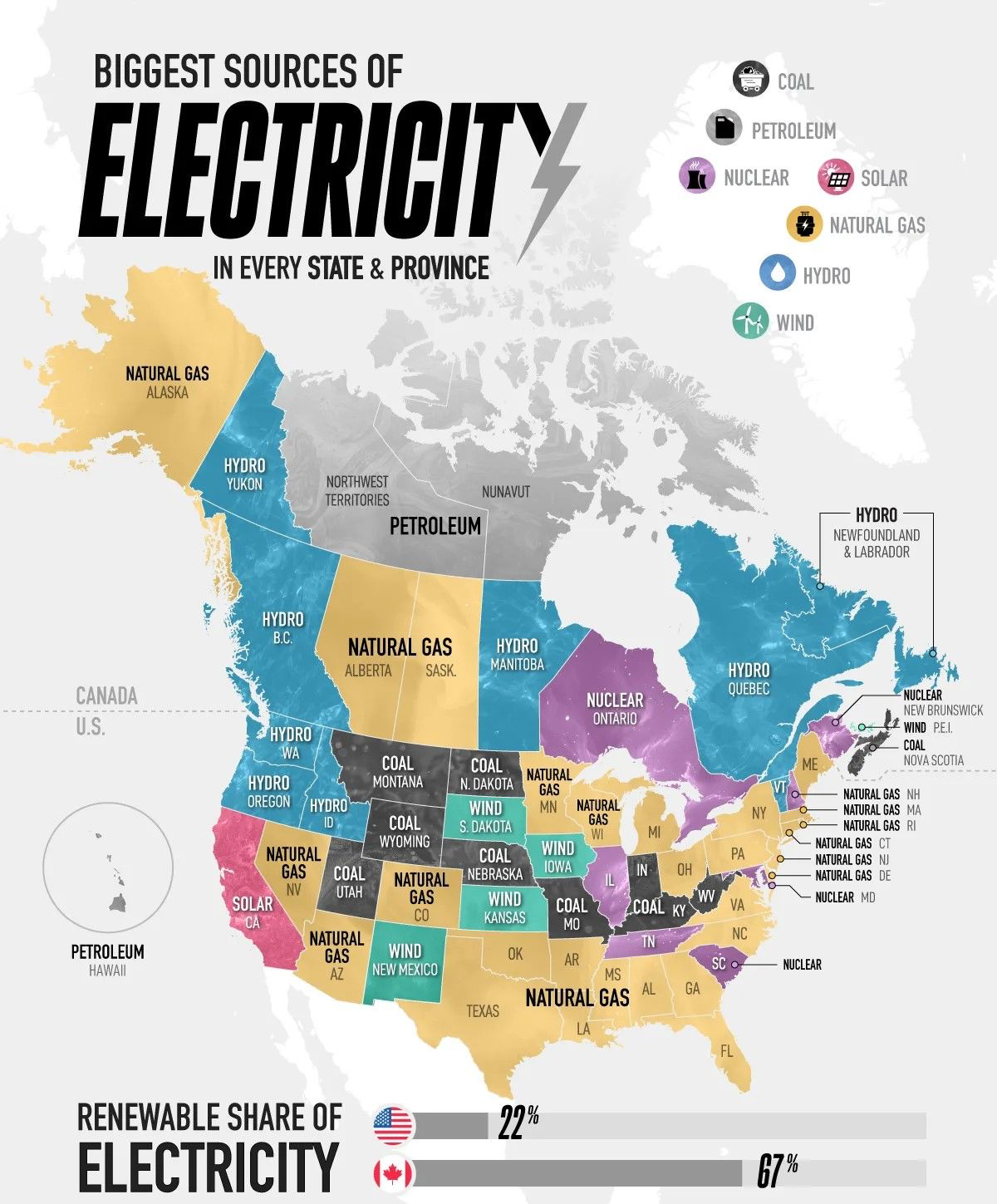
32) Biggest sources of electricity by state and province: Power mix still differs dramatically across regions, which matters for energy-cost assumptions.
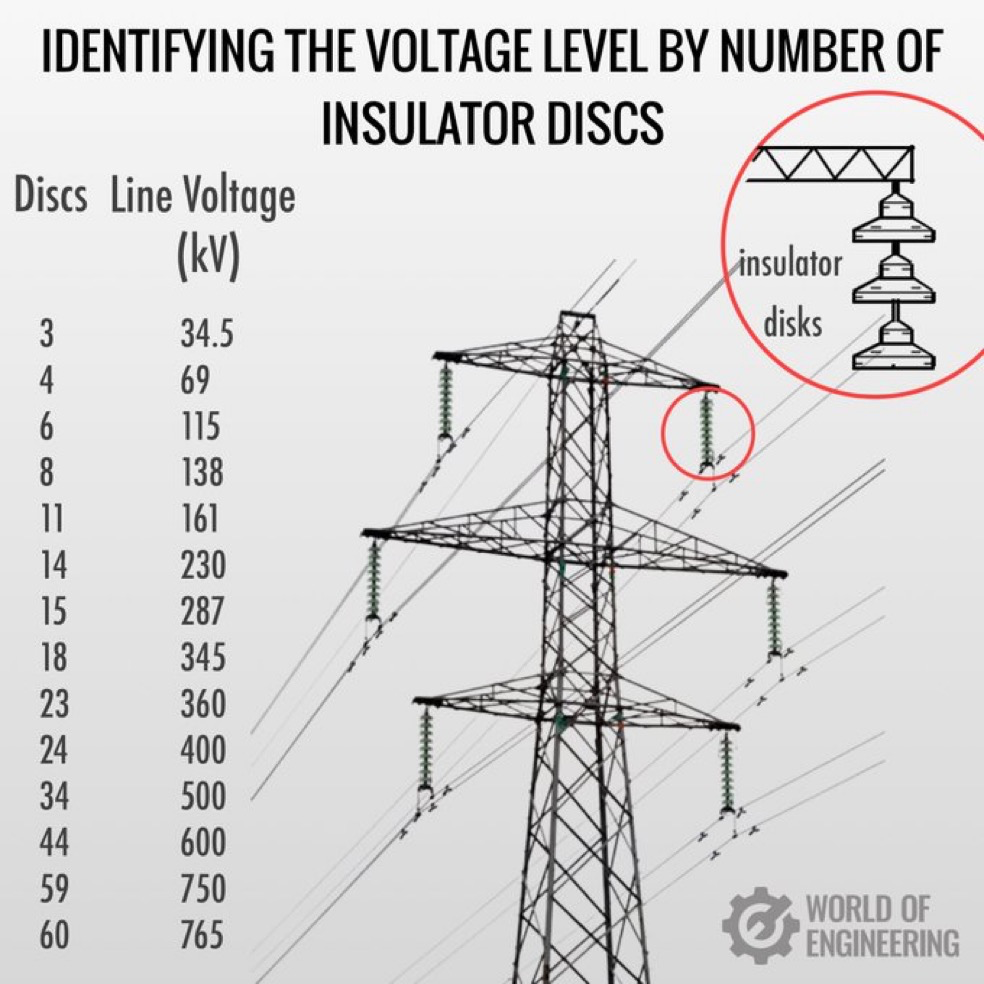
33) Transmission line voltage guide: A practical utility visual for interpreting line class by insulator disc count.
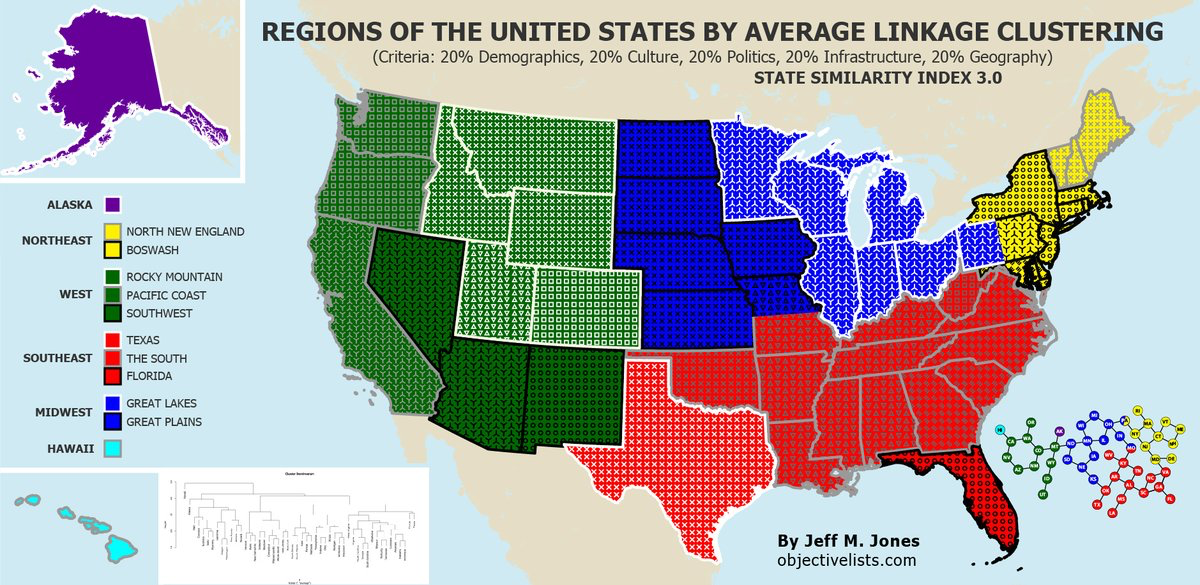
34) U.S. regional clustering map: A thought-provoking map that groups states by multi-factor similarity rather than traditional census regions.
35) World population concentration thought experiment: A useful way to communicate how density assumptions change the apparent scale of population concentration.
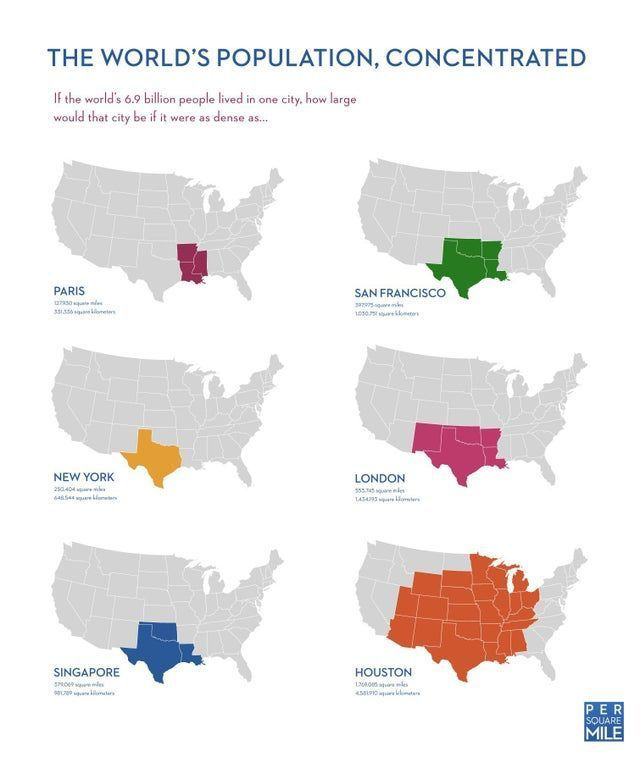
36) Bonus, just for fun: Not an econ-dev chart, but this one definitely earned “forward to a coworker” status.

The Econ Dev Show is made possible by Sitehunt and our Econ Dev Pro members.