20 Things Economic Developers Need to Know This Week
The stories Dane thinks you need to see. October 1, 2026 edition.


Welcome to this week's issue of What Economic Developers Need to Know This Week, where we explore the evolving dynamics of our economy.
This week we have 20 tools, stories, graphics, charts and videos that I think you'll find informative, useful, inspiring, and perhaps even humorous. Some are economic development related directly, and some only indirectly.
If you're wondering what to do with the info in this newsletter, send something to your board members. It will make you look good!
Today's email is brought to you by Resource Development Group
Resource Development Group and Convergent Nonprofit Solutions have recently announced a merger of these two well respected firms. RDG is now operating as Resource Development Group, a Convergent Company and will lead the combined operations in economic development and chamber engagements. Meanwhile, the Convergent banner will take the forefront on efforts on supporting traditional philanthropic and higher education organizations
This merger maintains RDG's innovative and custom approach while also creating the deepest bench of economic development and chamber fundraising expertise in the industry, the most complete data set in the country regarding economic development and chamber funding, and the greatest flexibility to be able to support engagement models tailored specifically to every market, regardless of size.
Whether you’re a single county EDO ready to kick off your first fundraising campaign or a large regional organization on your third funding cycle, they have the team and experience to get you the results you’re looking for.
1) Economic development and developers in the news #262: There is a lot happening between the big announcements. The latest roundup covers projects, workforce, financing, partnerships, and leadership across 28 states and Puerto Rico. Look for an idea you can borrow, a peer you should call, or a reminder that your community is not the only one working through a difficult problem.

2) Better questions before better pitches: A good business meeting should teach you something. In Podcast 237, Dan Kiger applies lessons from military interrogation to economic development. Decide what you need to learn, ask about obstacles, and check what you hear with more than one person. Then follow through on the small commitments that earn another conversation.
3) Share an economic development opportunity: Someone you know may be ready for their next move. The latest jobs roundup features 59 roles across 22 states and remote positions. Send it to a colleague, a former coworker, or someone who ought to consider this field. Check the individual listing for current availability.
4) The jobs already waiting in your town: Your existing businesses have already chosen you. In Tales from the Road, Andy Portera describes rural employers with strong demand who could grow if they found people with basic workplace skills. Before chasing another prospect, ask current employers what is holding them back. Shared problems can give education and community partners something concrete to solve.
5) A billion-dollar project needs local capacity: Landing investment and keeping its benefits are different jobs. Thomas Dakich asks how much opportunity a community can capture when it lacks local contractors, developers, skilled trades, engineers, and suppliers. The announcement may be impressive. The harder question is whether local businesses and workers are prepared to participate in what comes next.
6) The client may already have a favorite site: Personal preferences can enter a very expensive spreadsheet. Devin Hillsdon-Smith discusses the unwritten criteria behind site searches, from family connections to a school district someone loves. His post introduces an episode about uncovering those preferences early and managing changes in scope. Useful context when the official requirements and the eventual decision do not seem to match.
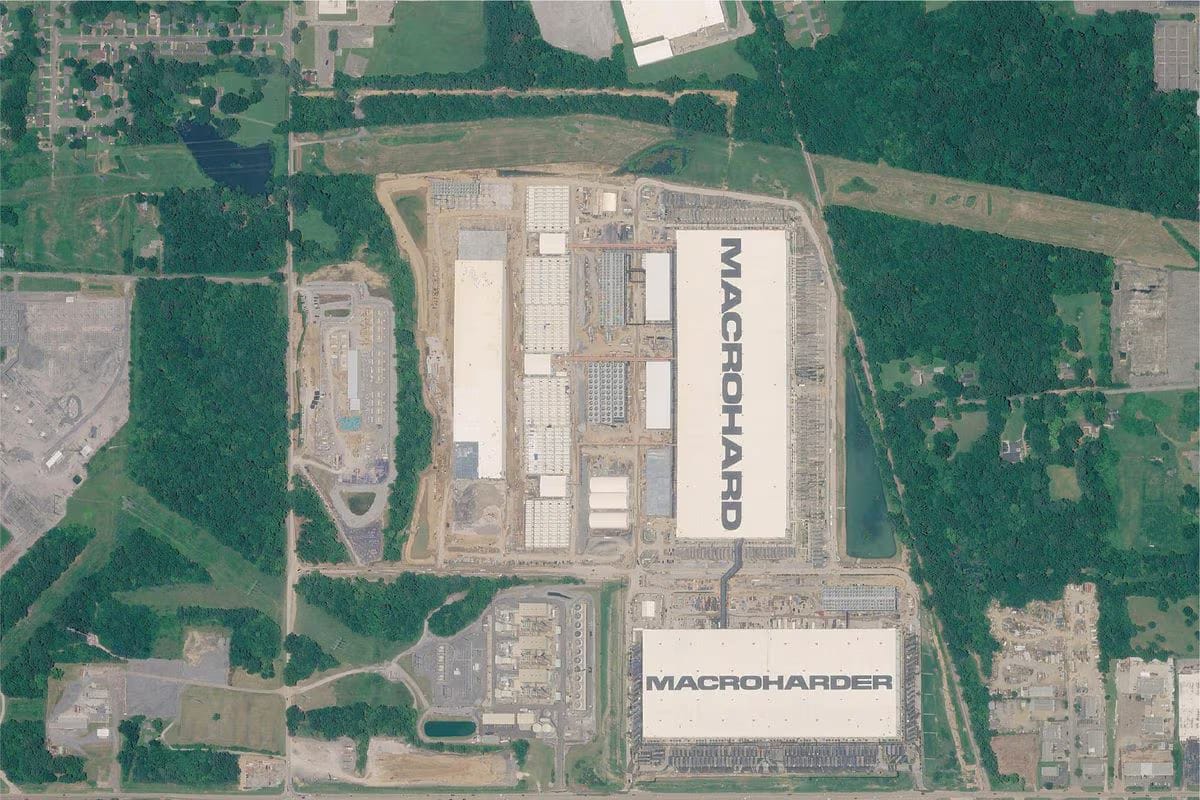
7) The data-center boom, seen from above: Digital infrastructure changes a very physical landscape. The Washington Post's before-and-after satellite images show forests, farmland, and desert giving way to large data-center campuses. These are useful visuals for a conversation about land use and infrastructure. An investment figure is much easier to picture when you can see the footprint.
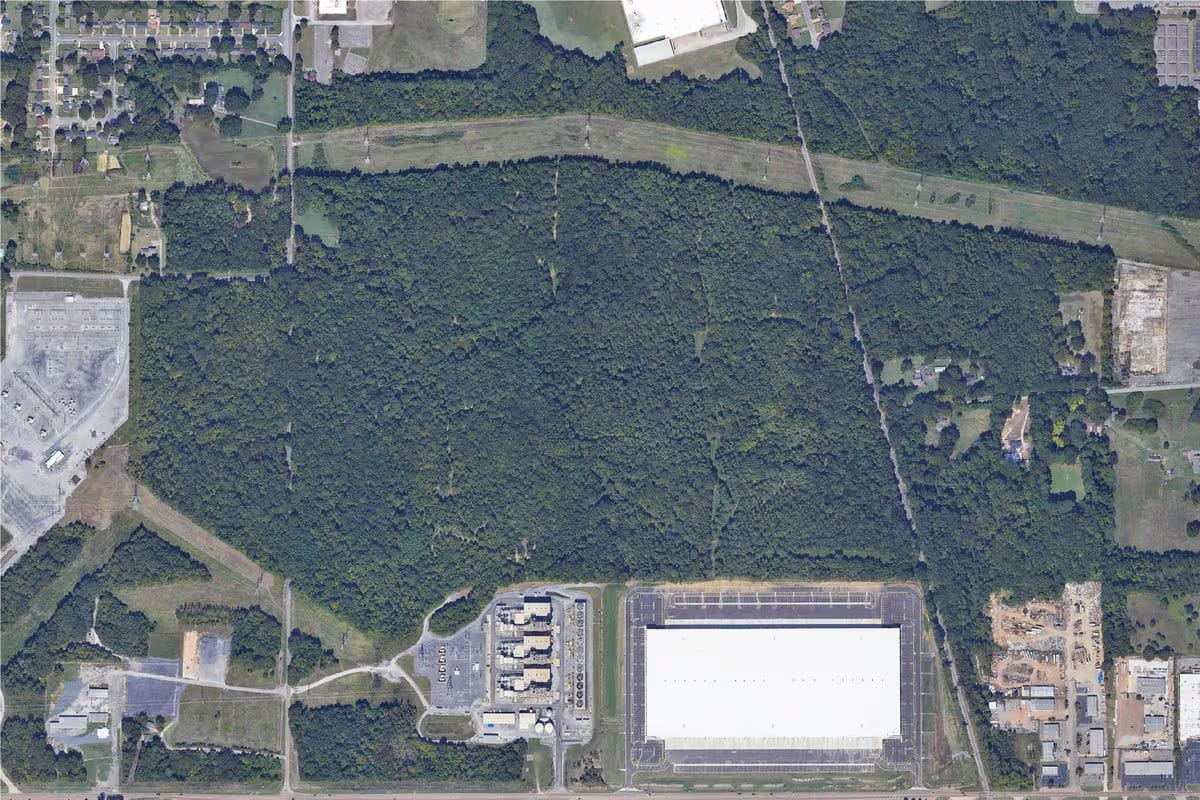
Memphis-area site, 2021, before the data-center expansion.
8) A power plant spread across thousands of homes: Grid capacity can come from coordinating what is already there. The BBC's Vermont story follows Green Mountain Power's network of home batteries and other resources. Customers gain backup power, while the utility can draw on the network during peak demand. It is a practical example of how household resilience and a utility's capacity needs can support each other.
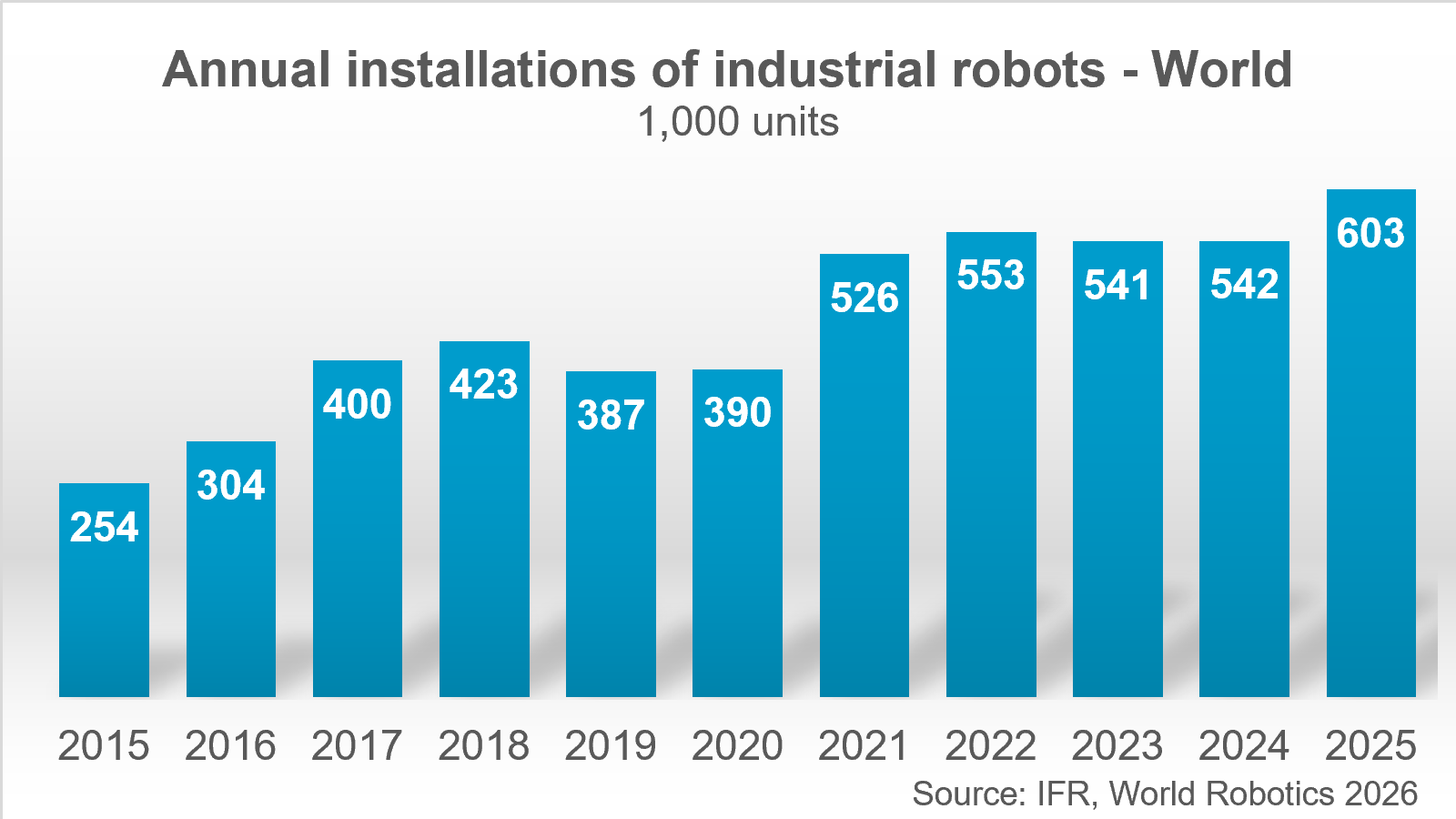
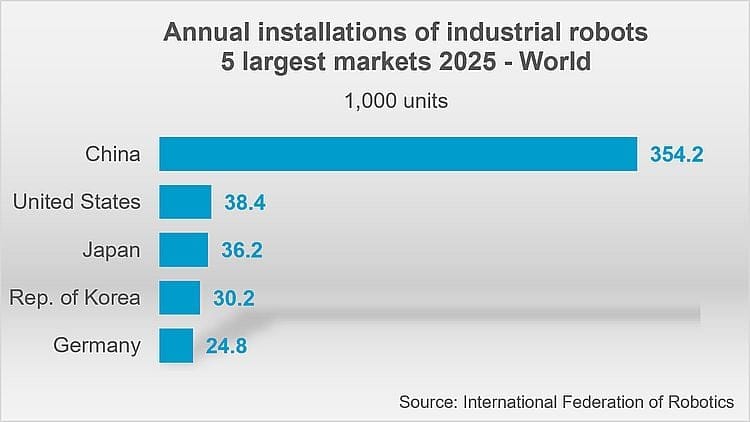
9) Five million industrial robots, and an ecosystem around them: Automation needs people who can install, integrate, and maintain it. The World Robotics 2026 release reports five million industrial robots operating worldwide and about 603,000 installations in 2025. U.S. installations rose 12% to almost 38,500. For local workforce and supplier development, the useful question is who helps nearby manufacturers put those machines to work.

Sitehunt helps economic developers find, understand, enrich and market their sites, match them to projects, and respond with confidence in minutes instead of scrambling for days.
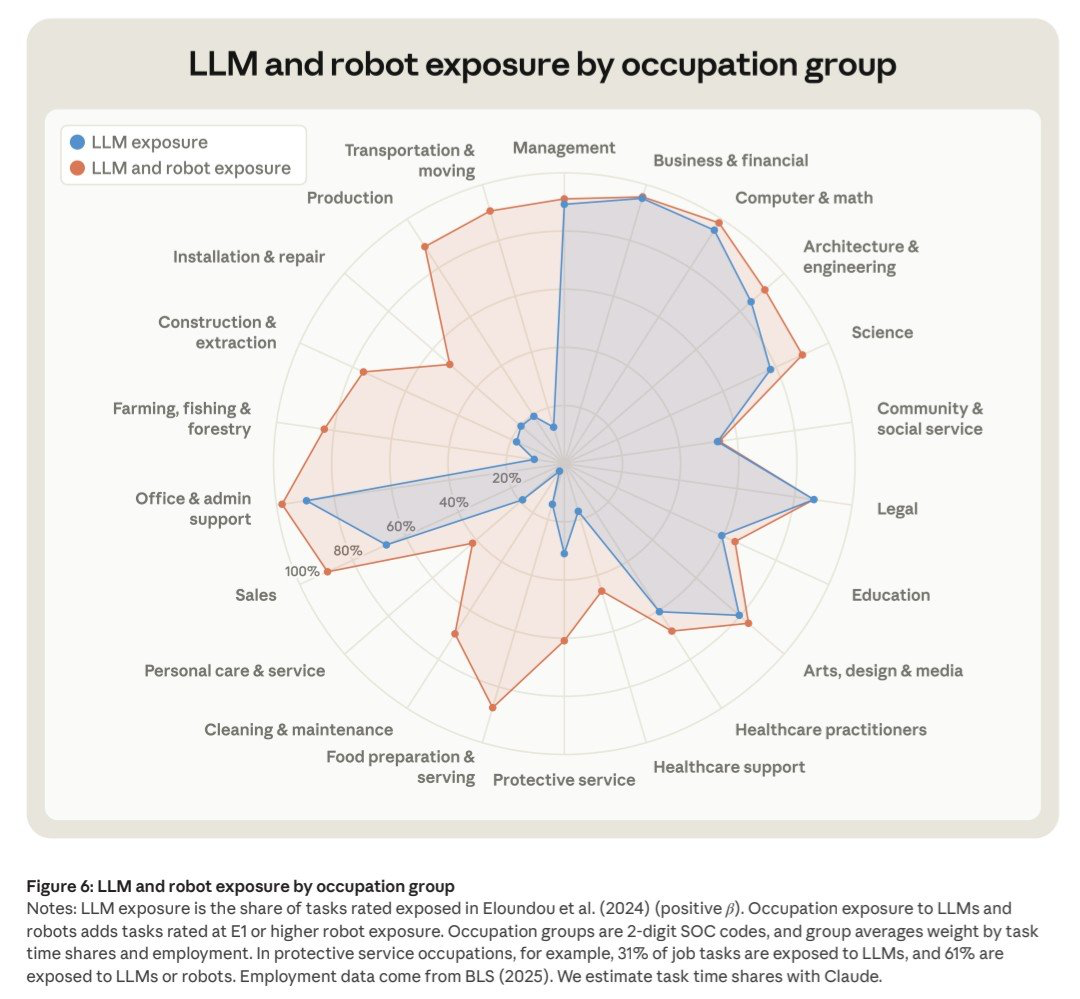
10) Add robots to the AI workforce picture: Technical capability and affordable deployment are different questions. Anthropic's new research, shared in Andrew Curran's post, finds that robots broaden task exposure beyond office work. The estimates use AI-assisted task and cost assessments. Treat the chart as a prompt for employer conversations about changing tasks and training needs; exposure is not a forecast of jobs disappearing.
11) Automotive development extends well beyond assembly: The supplier network is a market of its own. Jake Hall's graphic maps major automotive suppliers' U.S. offices, subsidiaries, or headquarters. It is a useful starting point for thinking about relationships across materials, electronics, components, and manufacturing services. These markers identify corporate locations, not every factory or the full production footprint.
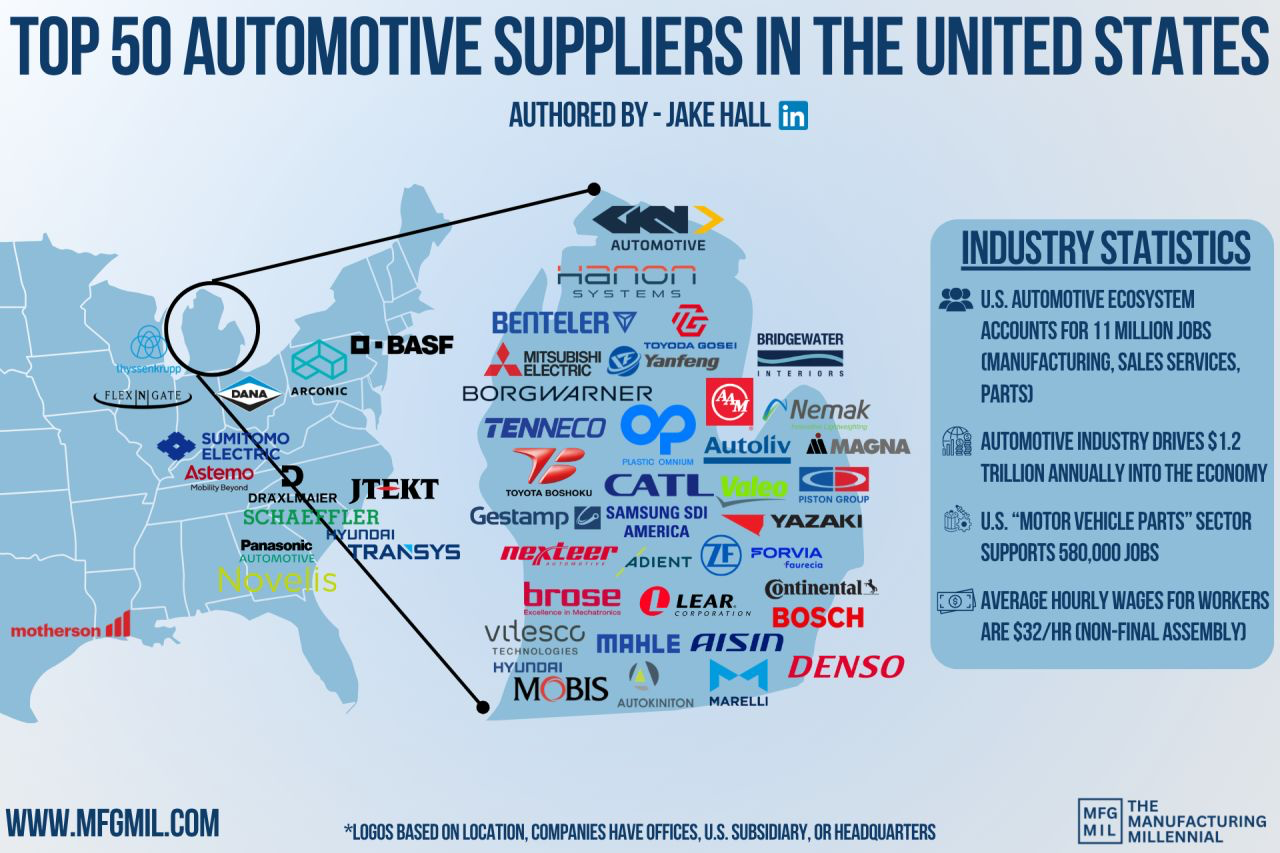
Source: Jake Hall, The Manufacturing Millennial. The graphic's industry statistics are supplied by its author.
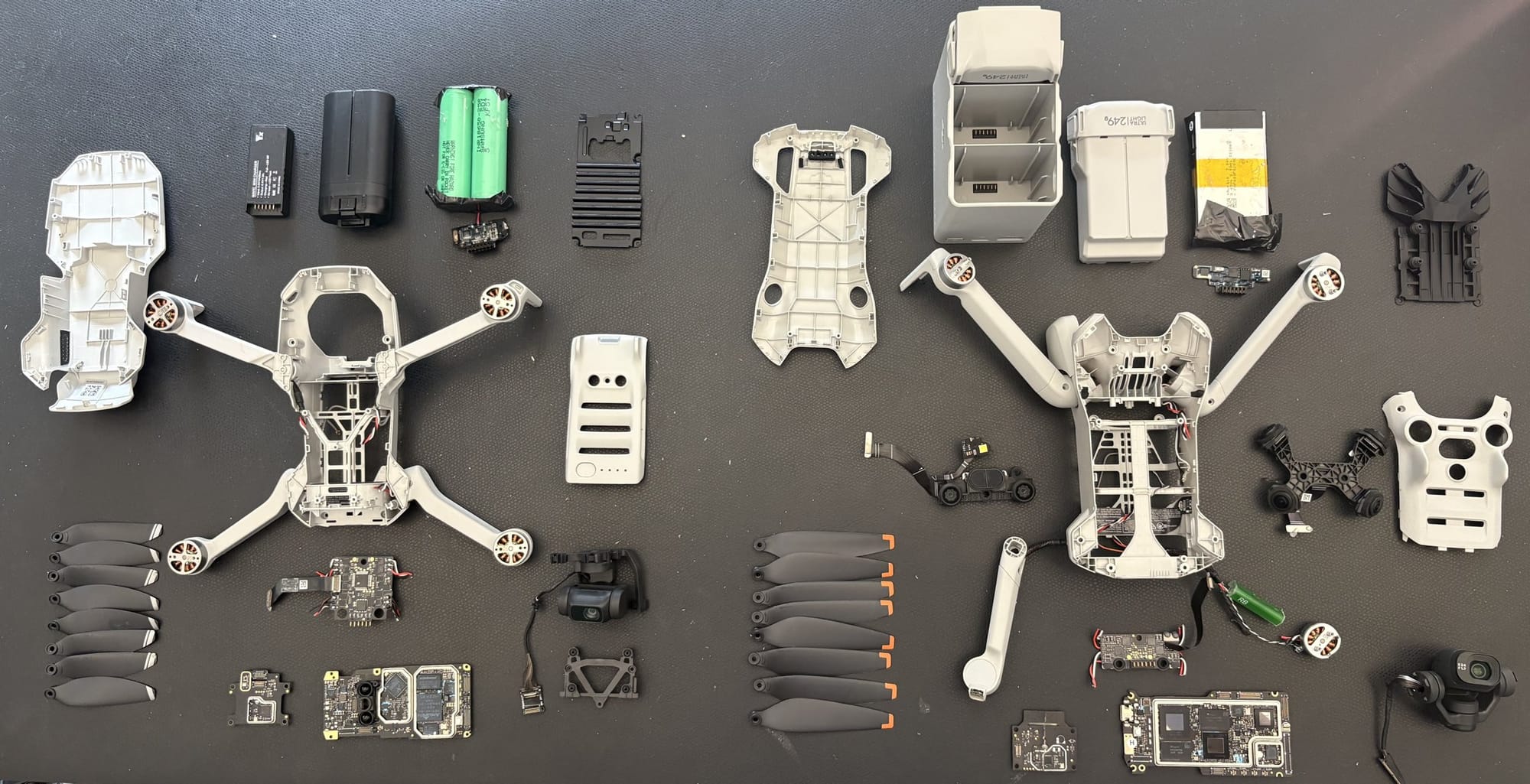
12) What a drone teardown can teach about industrial clusters: A supply chain is more than a list of vendors. In a September 16 analysis, Arena Physica takes apart two DJI drones to explore component sourcing, custom electronics, and the advantages of a dense manufacturing ecosystem. A useful background read for anyone asking what it would take to build a competitive industry locally. Recruiting the final assembler is only part of that work.
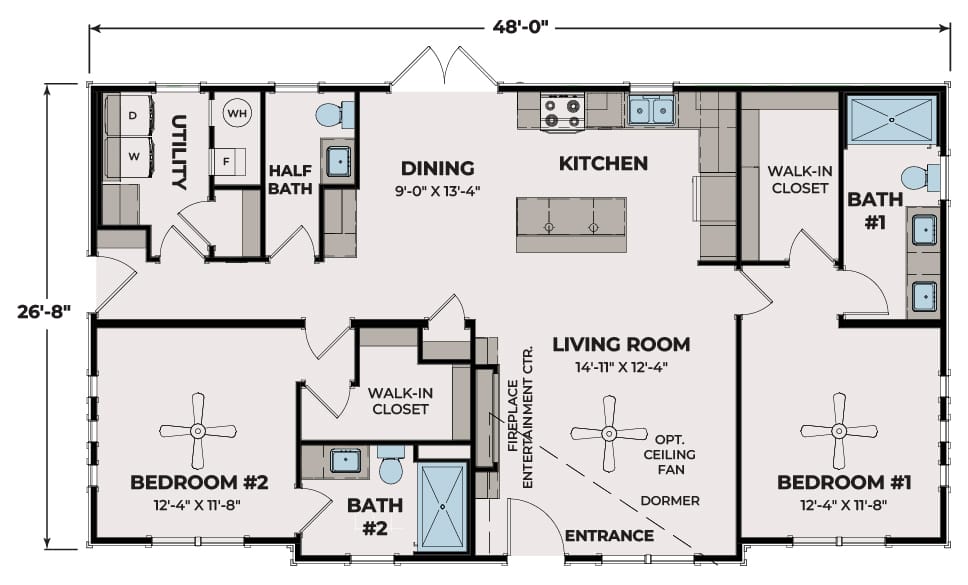
13) A manufactured home for two households: The floor plan can expand the housing conversation. Cavco's Grande Arbor places two primary suites on opposite sides of shared living space. Cavco also describes it as its first HUD-code home without a permanent steel chassis. The design makes multigenerational or shared-household living easy to picture; local zoning, installation costs, and affordability still need their own answers.

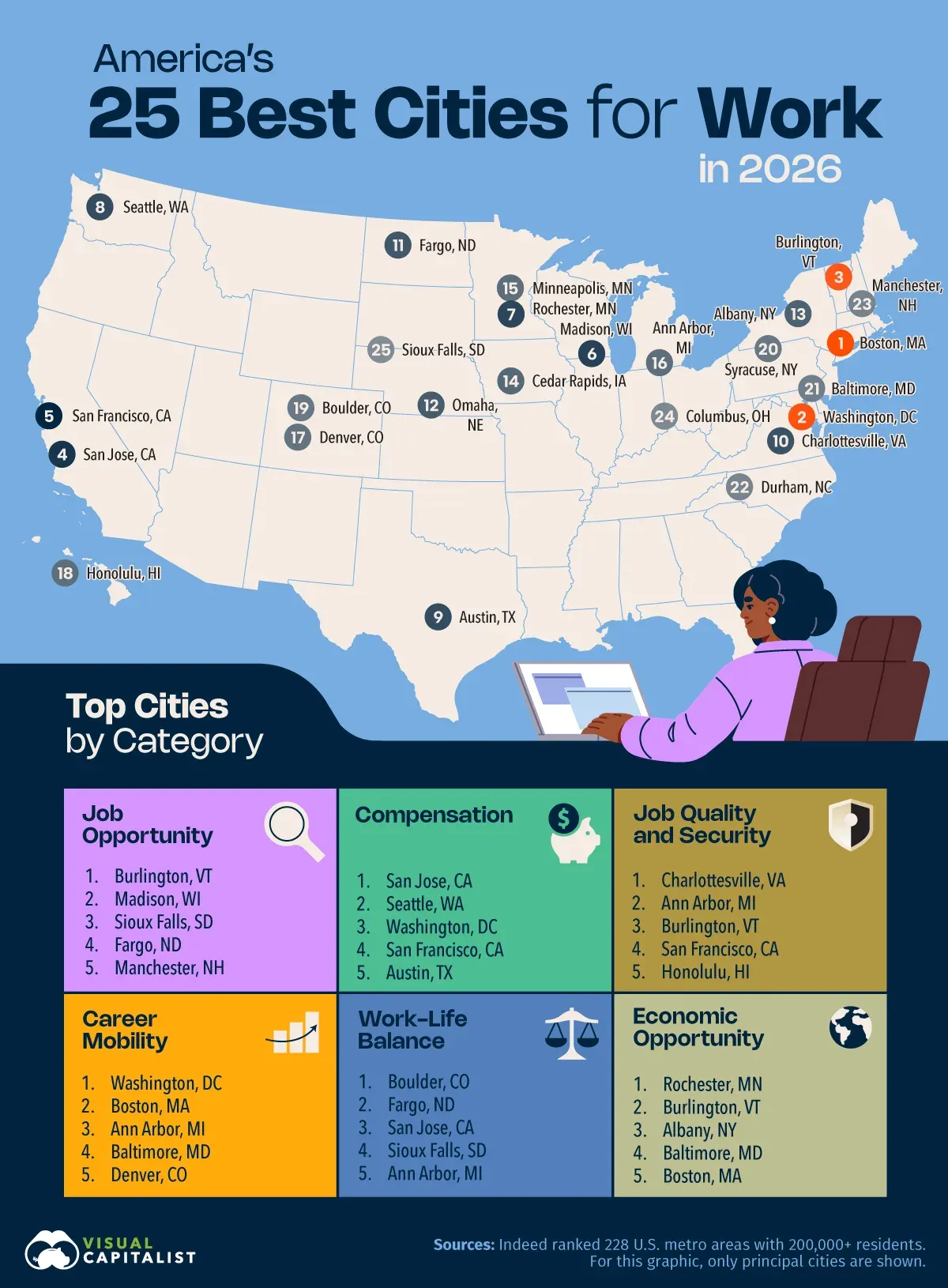
14) The best city for work depends on the worker: One overall rank hides several different competitions. Indeed's rankings, illustrated by Visual Capitalist, compare 228 metros across 40 metrics. Boston, Washington, and Burlington lead overall, but the leaders change across job opportunity, compensation, career mobility, and work-life balance. Look at the category that matters to the people your community hopes to attract and retain.
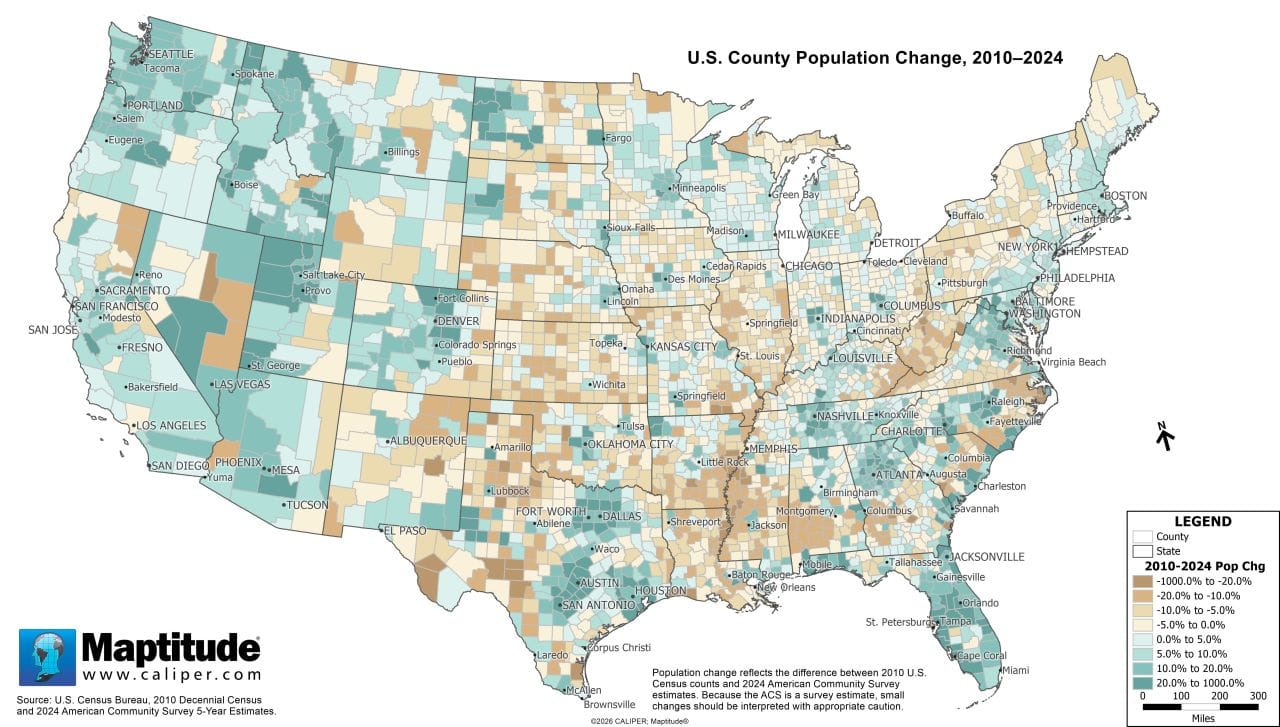
15) Population growth does not stop at the state line: A growing state can contain shrinking counties. Brett Lucas's map compares the 2010 Census with the 2024 American Community Survey's five-year estimates. It shows why the county detail matters, including differences within the Sun Belt and Midwest. Small changes in smaller counties deserve caution because the ACS figures are estimates.
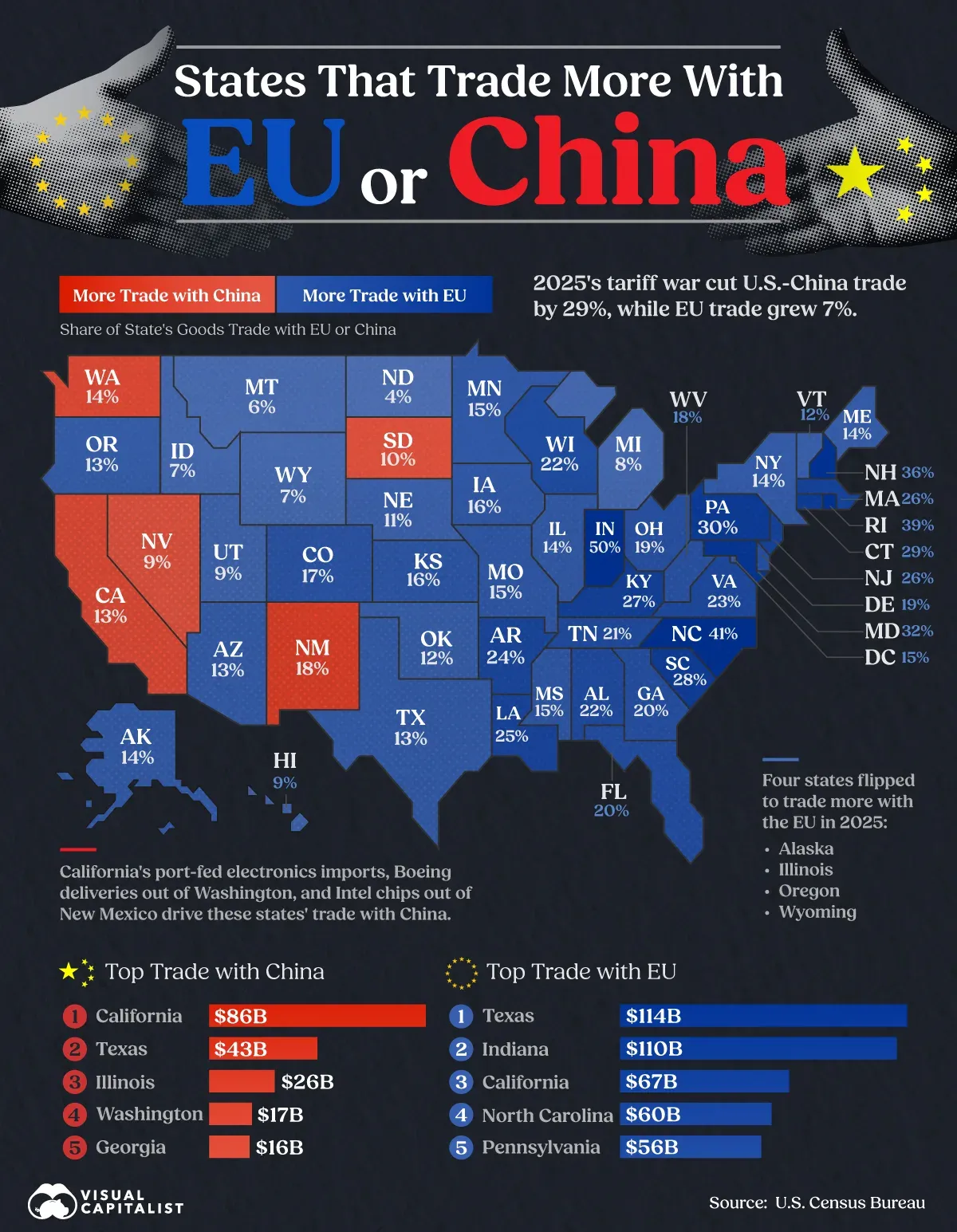
16) Most states trade more with the EU than China: Your local trade story may differ from the national conversation. This Visual Capitalist map compares two-way goods trade in 2025. The EU leads in 45 states and D.C.; China leads in California, Nevada, New Mexico, South Dakota, and Washington. A useful starting point for asking employers about customers and suppliers. The comparison includes imports and exports, and excludes services.
17) When the cookie growth engine slows: A viral brand still needs stores that make money. Michael Girdley's Crumbl business breakdown examines the chain's rotating menu, social-media appeal, franchise expansion, and the pressures on individual operators. A useful lens for retail recruitment: customer excitement, operating costs, and nearby competition all matter after the ribbon cutting. Also, now I want a cookie.
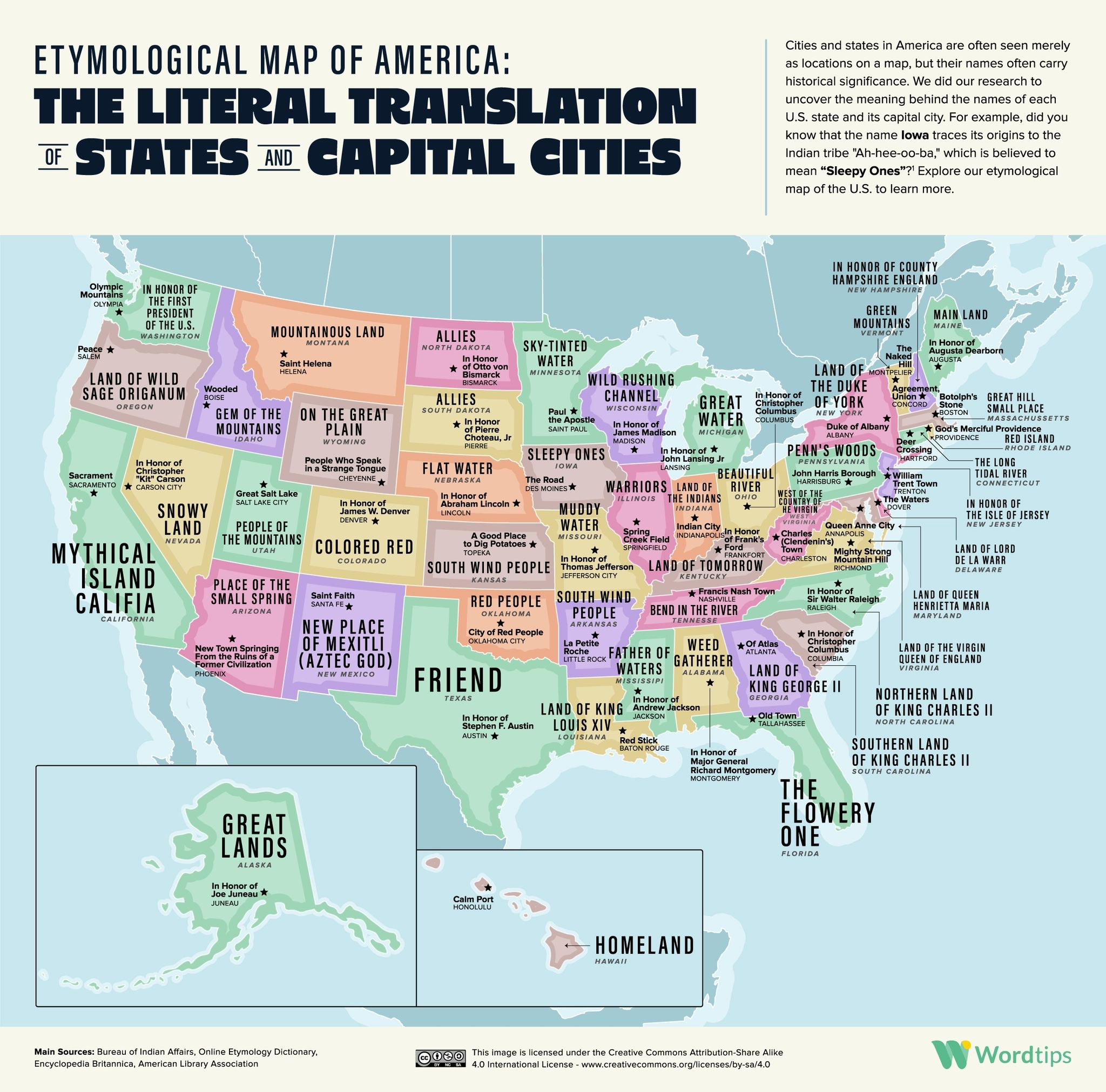
18) The stories hiding in place names: Your community's name may already contain a marketing story. Wordtips' etymological map offers literal translations and origins for state and capital names. Some histories are debated or more complicated than a map label can capture, but it is a fun invitation to investigate the story behind your own place.
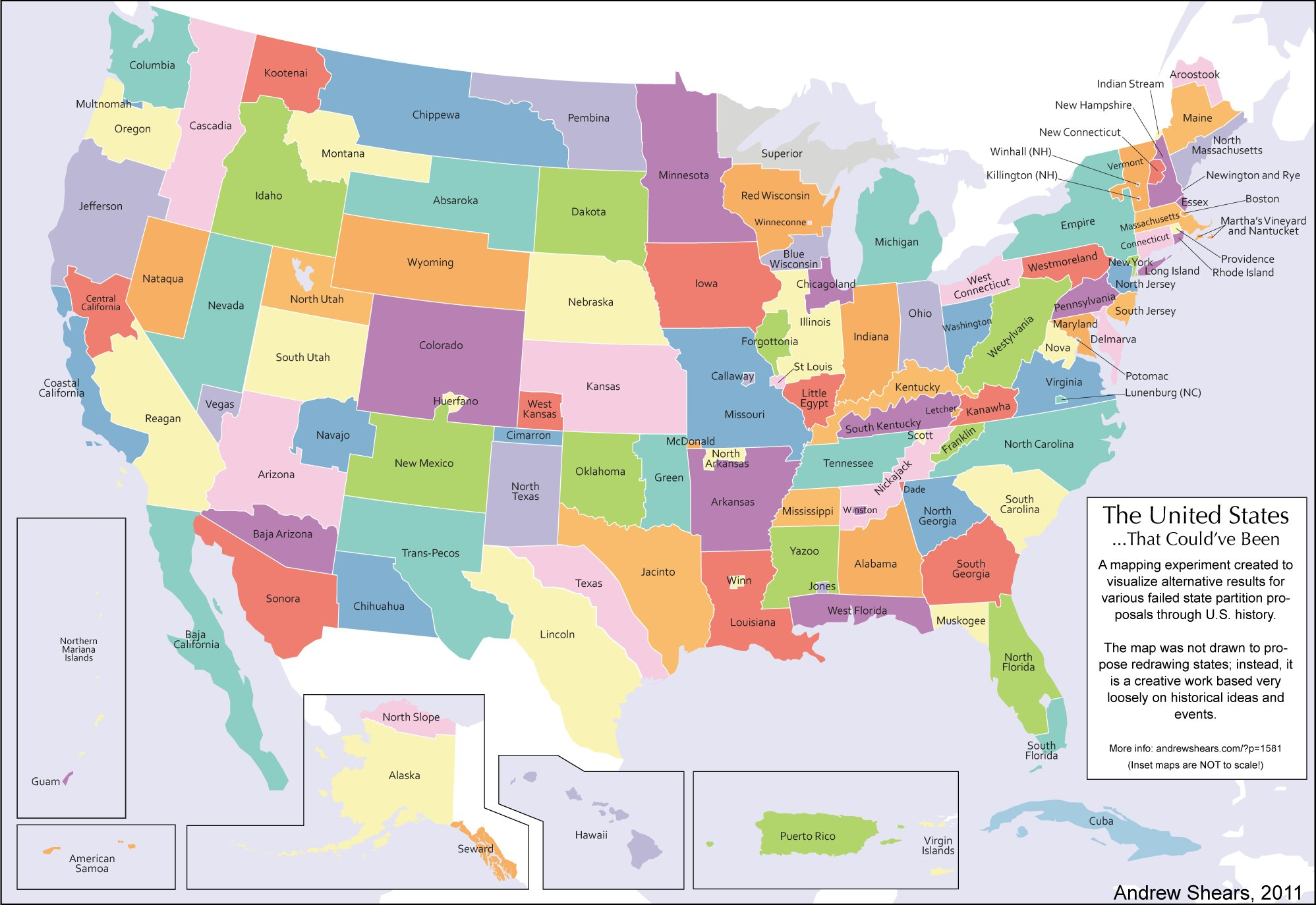
19) The United States that could have been: Even the boundaries we take for granted have a history. Andrew Shears' 2011 map imagines an America shaped by failed state-partition proposals. It is a creative mapping experiment loosely based on historical ideas, rather than a proposed political map. Enjoy the alternate geography, then think about how often real labor markets and business relationships cross today's lines.
20) A map guaranteed to start an argument: Someone on the internet has opinions about your city. Brilliant Maps shared a “worst city in every state” map, credited to Matt Shirley. The companion collection also includes best, underrated, and overrated cities, based on online audience polls. Enjoy the argument. Please do not use it as your next site-selection scorecard.