25 Things Economic Developers Need to Know This Week
This week's Econ Dev Show stories up top, then the outside links worth your time. July 9, 2026 edition.


Welcome to this week's issue of What Economic Developers Need to Know This Week, where we explore the evolving dynamics of our economy.
This week we have 25 tools, stories, graphics, charts and videos that I think you'll find informative, useful, inspiring, and perhaps even humorous. Some are economic development related directly, and some only indirectly. 🤔
If you're wondering what to do with the info in this newsletter, send something to your board members. It will make you look good!
Today's email is brought to you by Resource Development Group
Resource Development Group and Convergent Nonprofit Solutions have recently announced a merger of these two well respected firms. RDG is now operating as Resource Development Group, a Convergent Company and will lead the combined operations in economic development and chamber engagements. Meanwhile, the Convergent banner will take the forefront on efforts on supporting traditional philanthropic and higher education organizations
This merger maintains RDG's innovative and custom approach while also creating the deepest bench of economic development and chamber fundraising expertise in the industry, the most complete data set in the country regarding economic development and chamber funding, and the greatest flexibility to be able to support engagement models tailored specifically to every market, regardless of size.
Whether you’re a single county EDO ready to kick off your first fundraising campaign or a large regional organization on your third funding cycle, they have the team and experience to get you the results you’re looking for.
1) Economic development and developers in the news #251: 14 economic development executives and organizations in 24 states. This week's roundup is a quick scan of the field: local project wins, workforce moves, leadership changes, infrastructure questions, business attraction work, and the state-by-state practice of economic development. Read: Economic Development and Developers in the News #251.

2) The beautiful game, the brutal business: Public wins sit on top of years of invisible work. The piece is a reminder that large events, tourism moments, and civic spotlights create one brutal scoreboard for the public, but the economic development work behind them is slower, quieter, and much harder to explain while it is happening. Read: The Beautiful Game, the Brutal Business.

3) Podcast 226: economic development is a relationship game: Love your community, then negotiate like residents are counting on you. Damien Denmark talks about the relationship side of the work, the pressure of representing a place honestly, and why community loyalty and hard negotiation are not opposites. Listen: Economic Development Is a Relationship Game with Damien Denmark.
4) 52 new economic development jobs this week: The hiring signal spans 26 states and a wide salary band. This week's list runs from $49,899 to $280,000 and gives a useful read on where EDOs, chambers, utilities, public agencies, and related employers are still adding capacity. Browse: 52 New Economic Development Jobs This Week.

5) Economic development and developers in the news #250: The prior roundup still has useful field context. Catch up on last week's 28 economic development executives and organizations in 15 states for a broader look at the projects, people, and policy signals that set up this week's file. Read: Economic Development and Developers in the News #250.


Sitehunt helps economic developers understand their sites, match them to projects, and respond with confidence in minutes instead of scrambling for days.
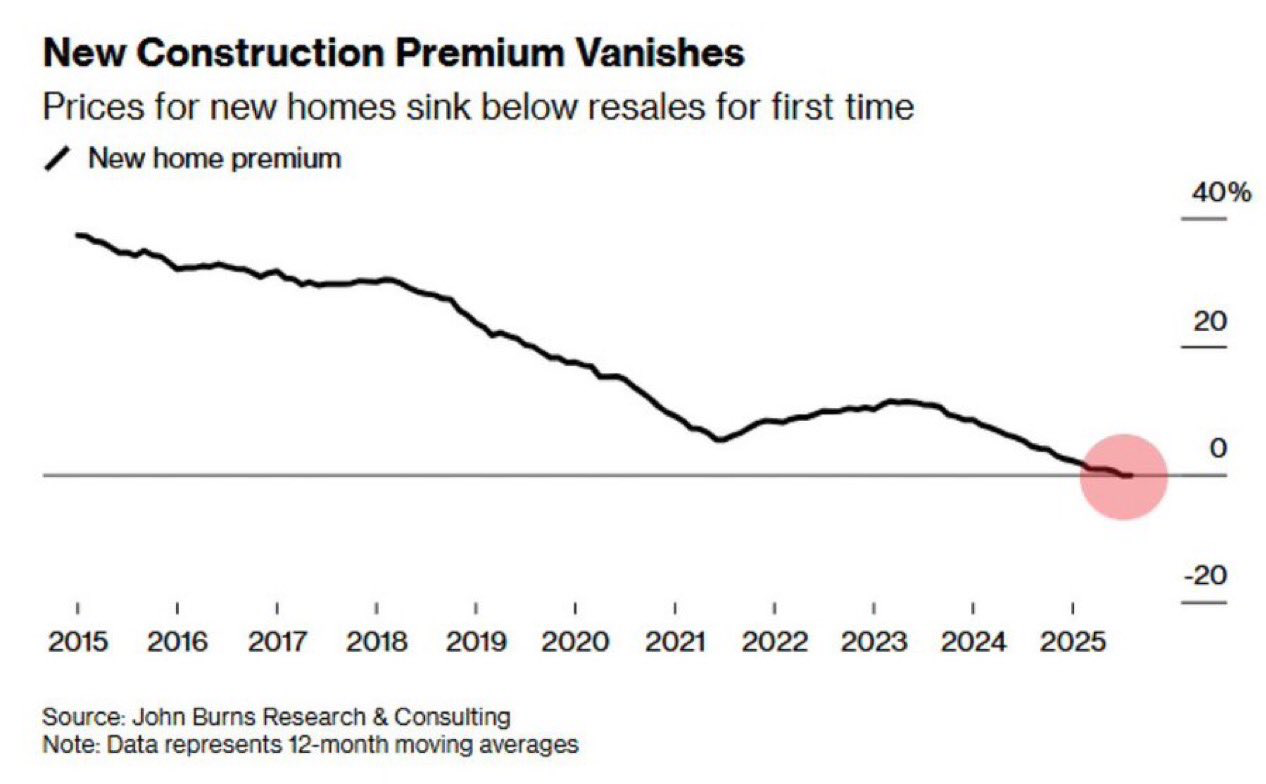
6) New construction premium vanishes: New supply is changing the housing price story. The John Burns Research and Consulting chart shows new-home prices dipping below resale prices on a 12-month moving average for the first time in the series. For communities, this is a housing signal worth watching: builders can discount, buy down rates, and move inventory in ways existing homeowners often cannot.
7) What actually builds an entrepreneurial community: The city is often the wrong unit of analysis. Paul O'Brien argues that startup ecosystems compound at regional scale, with shared infrastructure, real capital formation, investor education, and sector specialization anchored by actual employers. The useful warning for EDOs is about measurement: demo days, ribbon cuttings, and event counts are not the same as follow-on capital, companies still operating at year two, founders staying after a first failure, or local exit wealth recycling into the next generation. Read: What Actually Builds an Entrepreneurial Community.
8) Avoid these red flags, deal killers, and blunders in site selection: Speed, certainty, and infrastructure are now the deal. Area Development's practitioner roundup points to permitting and rezoning delays, local opposition, misaligned incentive timelines, incomplete designs, construction-cost inflation, power constraints, and financing uncertainty as reasons projects stall. For EDOs, the lesson is practical: early contractor input, clearer permitting, utility transparency, and faster public-sector coordination are competitive advantages. Read: Avoid These Red Flags, Deal Killers, and Blunders in Site Selection.
9) When geography does not disqualify you: Rural competitiveness starts with the assets already there. Jim Gibson continues the argument that agricultural communities may have infrastructure, water rights, workforce skills, and logistics relationships that can support industrial strategy if they are analyzed honestly. The useful frame is not optimism. It is target industry selection, occupational analysis, prospect matching, and the financial willingness to prepare for the right kind of project. Read: When Geography Doesn't Disqualify You.
10) Reindustrialization is a site-readiness test: Industrial policy eventually lands on local dirt. Ken Biberaj argues that rebuilding the American industrial base is also a national security issue, then points to the same friction economic developers keep seeing: long substation timelines, permitting and environmental review, workforce customization, and too few ready-to-go sites. His practical advice is to get sites ready, know which industries fit, say no to mismatched projects, and tell the story clearly. Read: Ken Biberaj's LinkedIn post.
11) Site identification: the final scorecard: The best site is not always the cheapest site. Devin Hillsdon-Smith's final scorecard piece turns site selection into a weighted decision matrix built around four pillars: workforce and labor analytics, total cost of operation and logistics, taxes and incentives, and utility reliability with ESG alignment. The strongest note is that incentives are a gap filler, not the main reason to choose a site; a de-risked parcel with certified status, utility readiness, shorter speed-to-market, and a better labor shed can beat a cheaper location with more uncertainty. Read: Site Identification: The Final Scorecard.
12) Is Dollar General a parasite?: Rural retail is harder than the slogan. The Honest Economic Developer argues that Dollar General can harm existing rural grocers, but in many tiny towns the company arrives after the grocery store is already gone. The useful economic development question is not whether a chain is good or bad in the abstract. It is what food access, sales tax, fresh food, and local retail capacity actually look like in each town. Read: Is Dollar General a Parasite?.
13) Global trade in context: Import and export reliance is regional economic structure, not just national policy. NAR compares imports and exports to state GDP, which makes exposure easier to see than raw dollar volume. Indiana and Kentucky stand out on imports tied to pharmaceuticals and medicines; Illinois and Tennessee show computer and electronics exposure; Michigan's import story is tied to autos and parts. On exports, Louisiana's oil, gas, petroleum, and coal products account for nearly a third of GDP, while Kentucky's aerospace and Indiana's pharmaceuticals show how narrow sector strengths can shape statewide trade risk. Read: Global Trade in Context.
14) A 1939 planning film still hits: Old civic media can sharpen modern place strategy. Brian Roemmele resurfaced The City, a 1939 film he says changed how he saw cities after a science teacher showed it to him in the late 1980s. His point is less nostalgia than civic ambition: the film argued that communities could build better places, and it was influential enough to be shown at the World's Fair. For economic developers, it is a reminder that planning, congestion, parks, housing, and civic imagination have been part of the same argument for a long time. Watch: Brian Roemmele's X post.
15) A rural America media starter kit: Communications infrastructure is also community infrastructure. John Shepard's LinkedIn article points readers toward rural and small-town social media, narrative podcasts, and sources that help people understand small places on their own terms. For economic developers, the practical point is that local stories, outside perceptions, and trusted information channels shape whether a place is legible to residents, prospects, funders, and visitors. Read: What I'm Reading and Listening To: A Rural America Media Starter Kit.
16) ED Quotes: The field is getting a quote bank. ED Quotes is Jackson Petr's book-in-progress collecting short lessons, stories, and advice from people working in economic development, with the final book planned as a free resource for the field. Use it as raw material for speeches, board packets, slides, and social posts, but also as a prompt to capture what practitioners are learning while the work is still fresh. Browse: ED Quotes.
17) The RFI gut check scorecard: Economic developers are allowed to say no. Site Selectors Are People, Too frames the familiar Friday-afternoon, 60-page RFI as a human and organizational capacity problem, not just a deadline problem. Devin Hillsdon-Smith's four-phase gut-check scorecard is meant to help EDOs protect their people and their community when the wrong project would consume time, trust, and staff energy. Read: the LinkedIn post.
18) Your town does not need a developer: Sometimes the public sector has to become the missing capacity. The Honest Economic Developer argues that tiny towns should think harder about the empty or tax-delinquent buildings they already touch, not just grants they can chase. The Dieterich, Illinois example is the proof point: a small town can run a multi-year real estate strategy, take measured risk, and build a compounding local tool instead of waiting for an outside developer who may never come. Read: Your Town Doesn't Need a Developer.
19) The two economies of America's 250th summer: A place can be more functional than its national story suggests. Carmen Ferrigno uses the 250th summer frame to contrast what people expect from the American narrative with what they encounter on the ground. For EDOs, that gap matters: perception affects tourism, investment, workforce attraction, and whether outsiders can see the day-to-day cooperation that still makes communities work. Read: The Two Economies of America's 250th Summer.
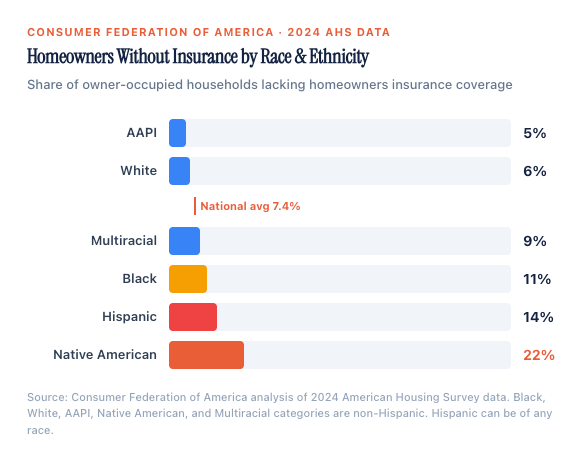
20) For communities, insurance gaps affect recovery, neighborhood stability, household wealth, and the fiscal aftermath of disasters. Read: Millions of American Homeowners Are One Disaster Away From Losing Everything.
21) Brian Potter walks through how sterile male fly releases pushed screwworm out of the U.S. by 1966, then moved the containment line south through Mexico and eventually to Panama. The warning is that success made the system look easier than it was: factories closed, inspection discipline weakened, the Darien barrier deteriorated, and a breach now likely requires close to a decade of sustained work to reverse. The economic development angle is agriculture, trade, public capacity, and the cost of letting invisible maintenance systems decay. Read: The Fall and Rise of Screwworm.
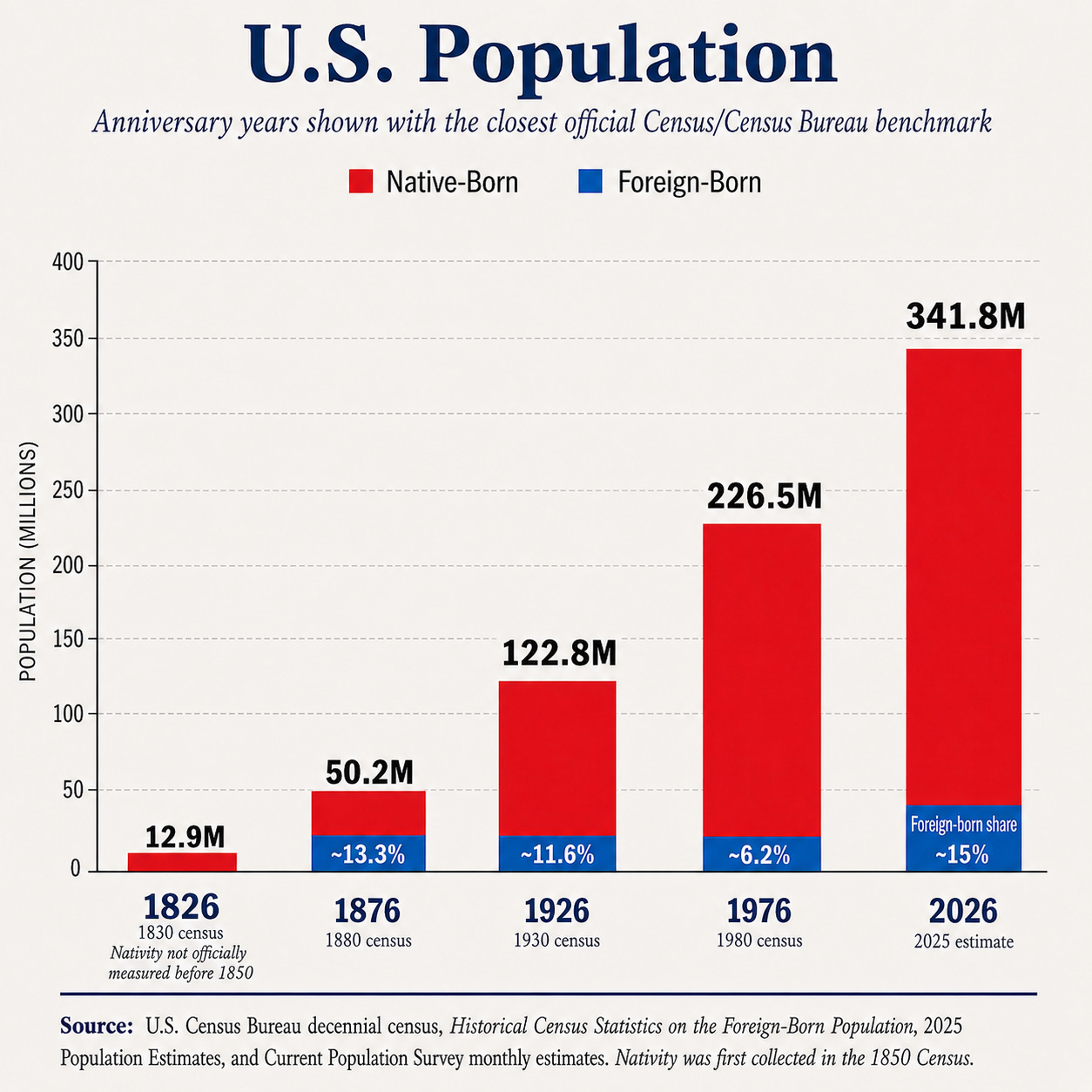
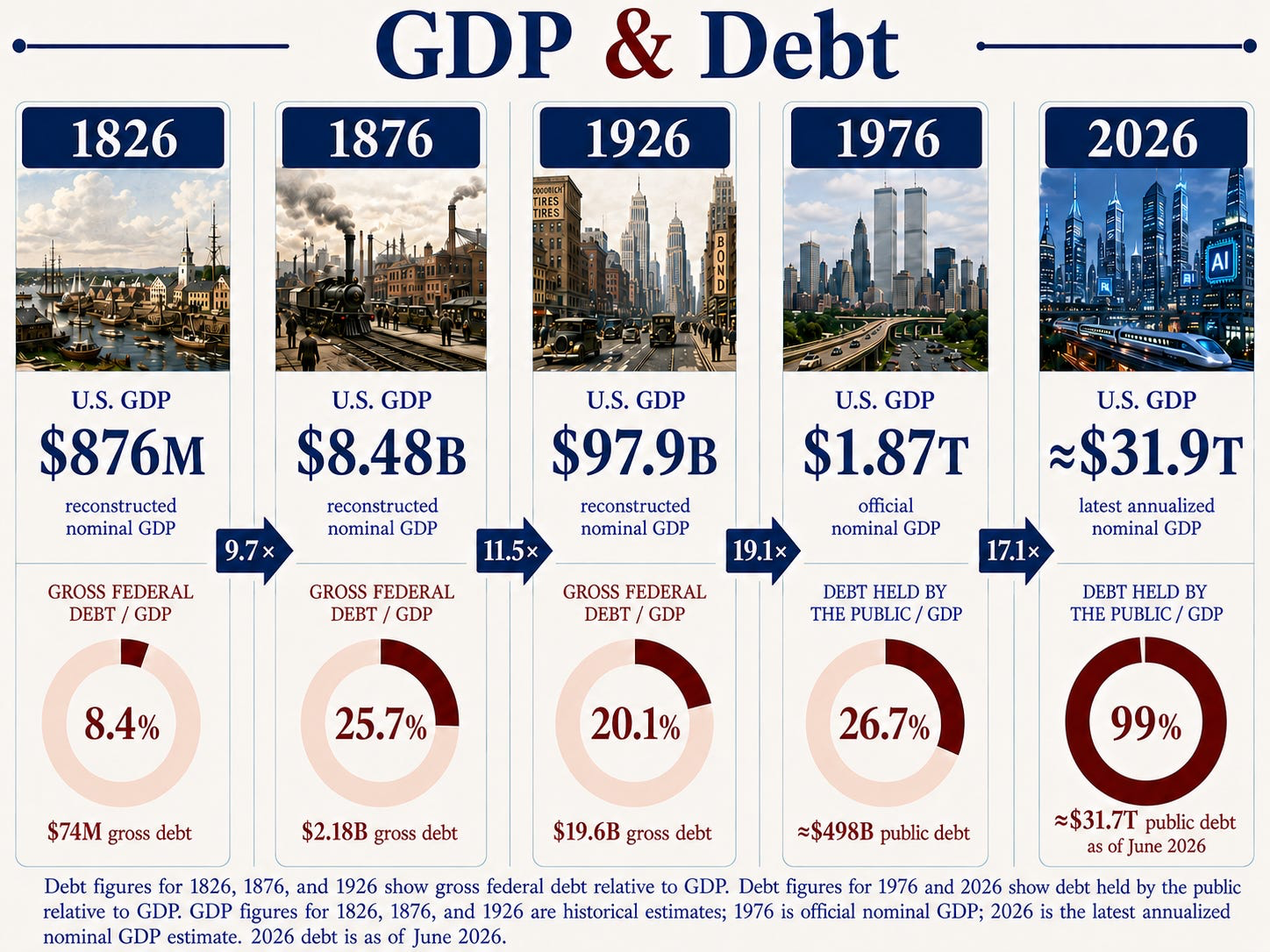
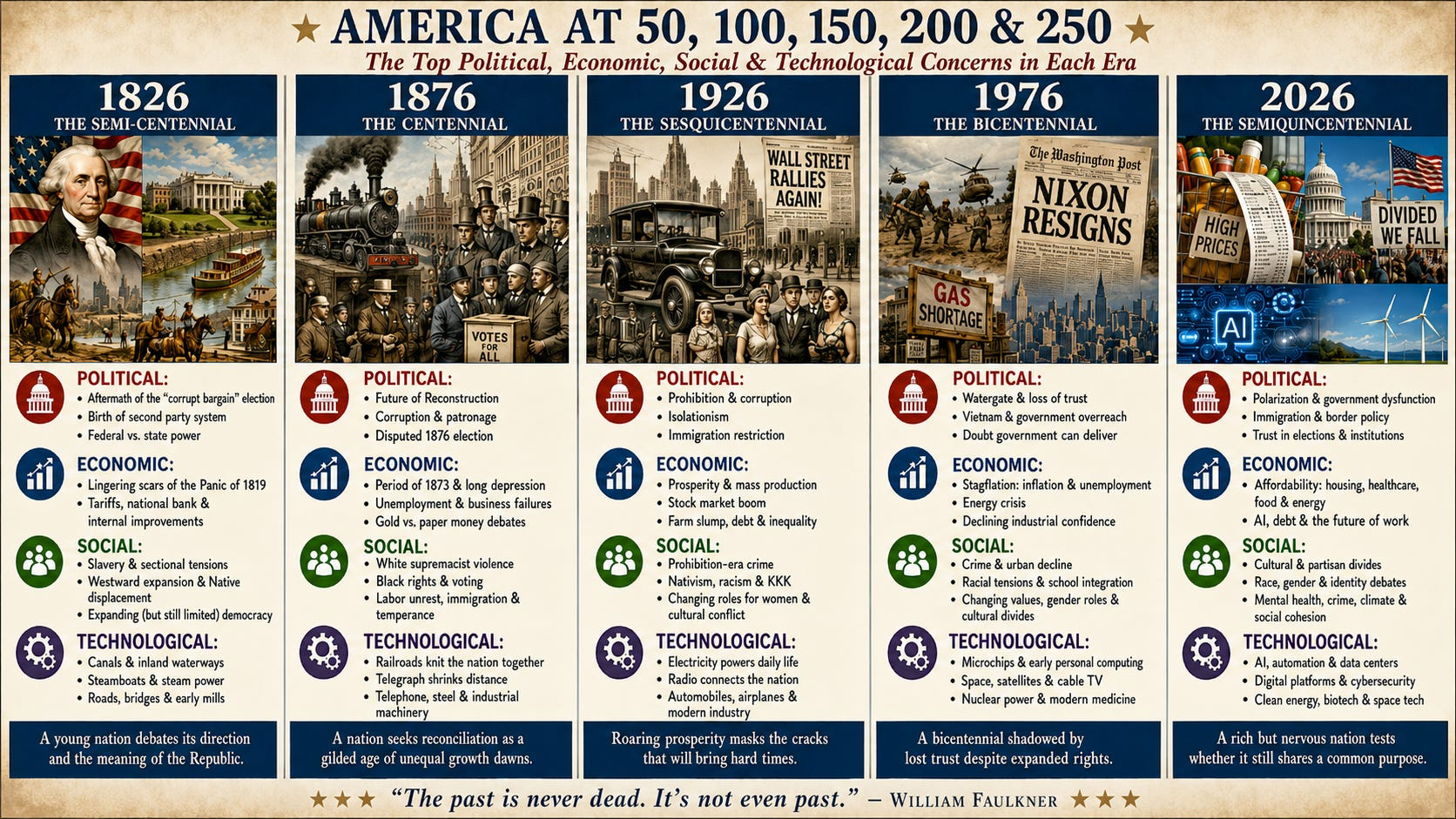
22) America at 250 in three charts: The anniversary frame is also a demographics, debt, and trust frame. The useful point is not nostalgia. It is perspective.
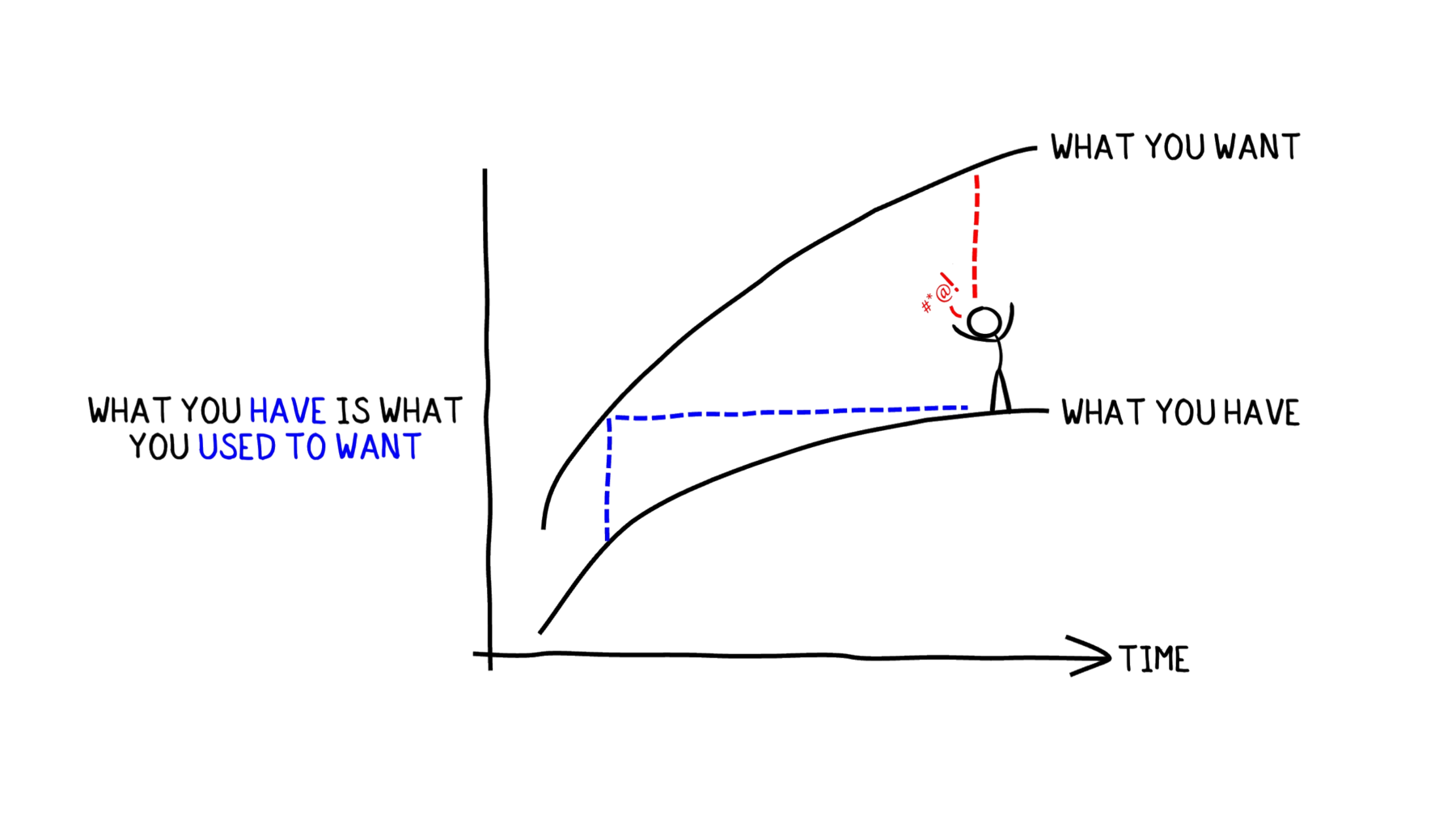
23) What you have is what you used to want: Progress changes the baseline. The sketch is a useful board-room reminder: once a community gets something it wanted, expectations keep moving. That is true for infrastructure, housing, downtowns, talent, amenities, and transparency. The job is not to resent the new standard. It is to understand that success often creates the next demand.
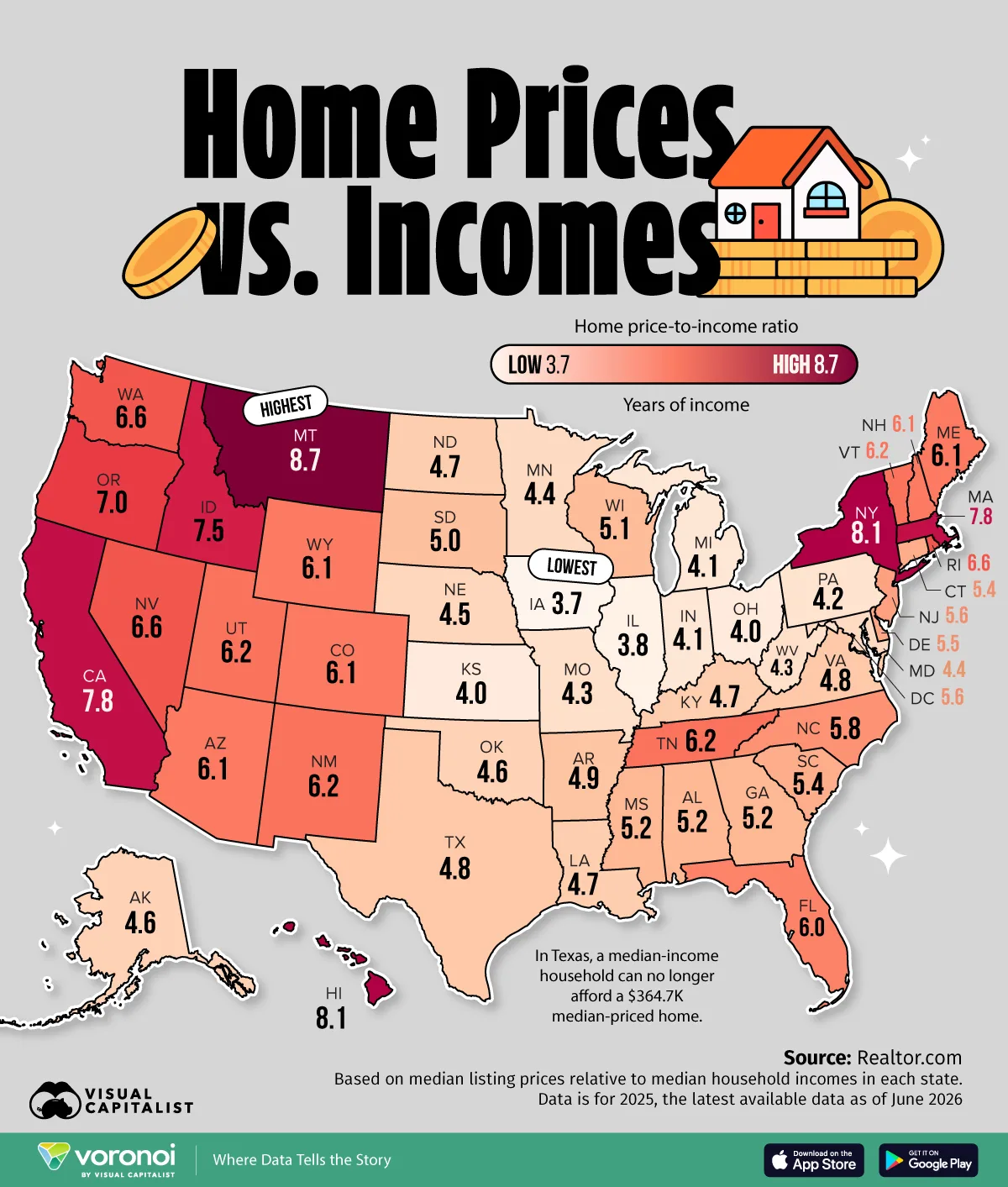
24) Home prices vs. incomes: Affordability pressure is geographically uneven. For economic developers, this is the workforce attraction problem in one map: pay, housing supply, listing prices, and relocation math all have to be read together.
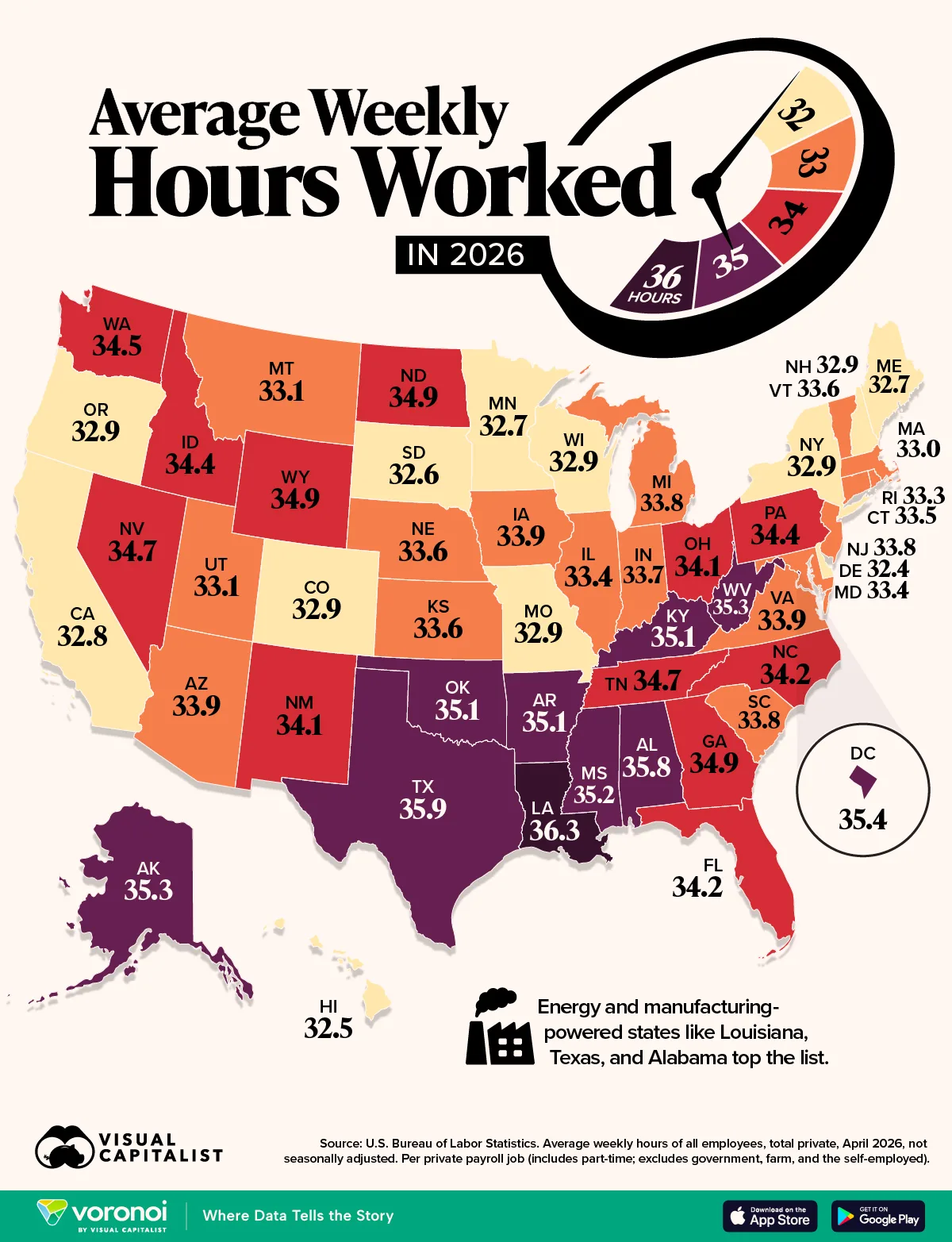
25) Average weekly hours worked in 2026: The workweek still has an economic geography. For EDOs, hours worked can be a quiet signal about industry mix, overtime, job quality, labor tightness, and how much household income depends on time at work rather than wage rates alone.