Assorted Links Saturday
For millennia, people slept in two shifts – once in the evening, and once in the morning. Why we stopped, and more.


Two years since Covid was first confirmed in U.S.: The pandemic is worse than anyone imagined.
Nominations are open for Consultant Connect's North America's Top 50 Economic Developers 2022. I'm not saying that you should nominate me, but I'm also not saying that you shouldn't.
Want to drive inclusive economic growth? Start with manufacturing.
Foreign direct investment bounced back last year but did little to ease supply strains: Investments by overseas businesses in the U.S. more than doubled; projects to expand factory capacity globally were down
When things go wrong, is your instinct to hide in a corner and hope you won’t get noticed–or to lean into the situation and make it clear that this one is on you?
“I’ve got this,” is a phrase that some people will go out of their way to avoid saying. At work, where it’s incredibly valuable, or in personal relationships, where it creates deep connection.
The movies are filled with heroes who take responsibility. Organizations are miserly when it comes to handing out authority, but most of them are eager to pay attention (and give respect) to anyone who is willing to take responsibility.
The forgotten medieval habit of 'two sleeps': For millennia, people slept in two shifts – once in the evening, and once in the morning. But why? And how did the habit disappear?
Here's a video that explains it more:
The true cost of Amazon’s low prices: Critics say the “everything store” does too much. Is 2022 the year antitrust hawks come for Amazon?
Instagrammers are genetically replicating their pets: Cloning cats and dogs is expensive and controversial. But the humans behind petfluencer accounts say it’s worth it.
From GIS Planning, a webinar: 10 key trends for economic development websites in 2022. (Wednesday, Jan. 26th 1:30 p.m. EST)
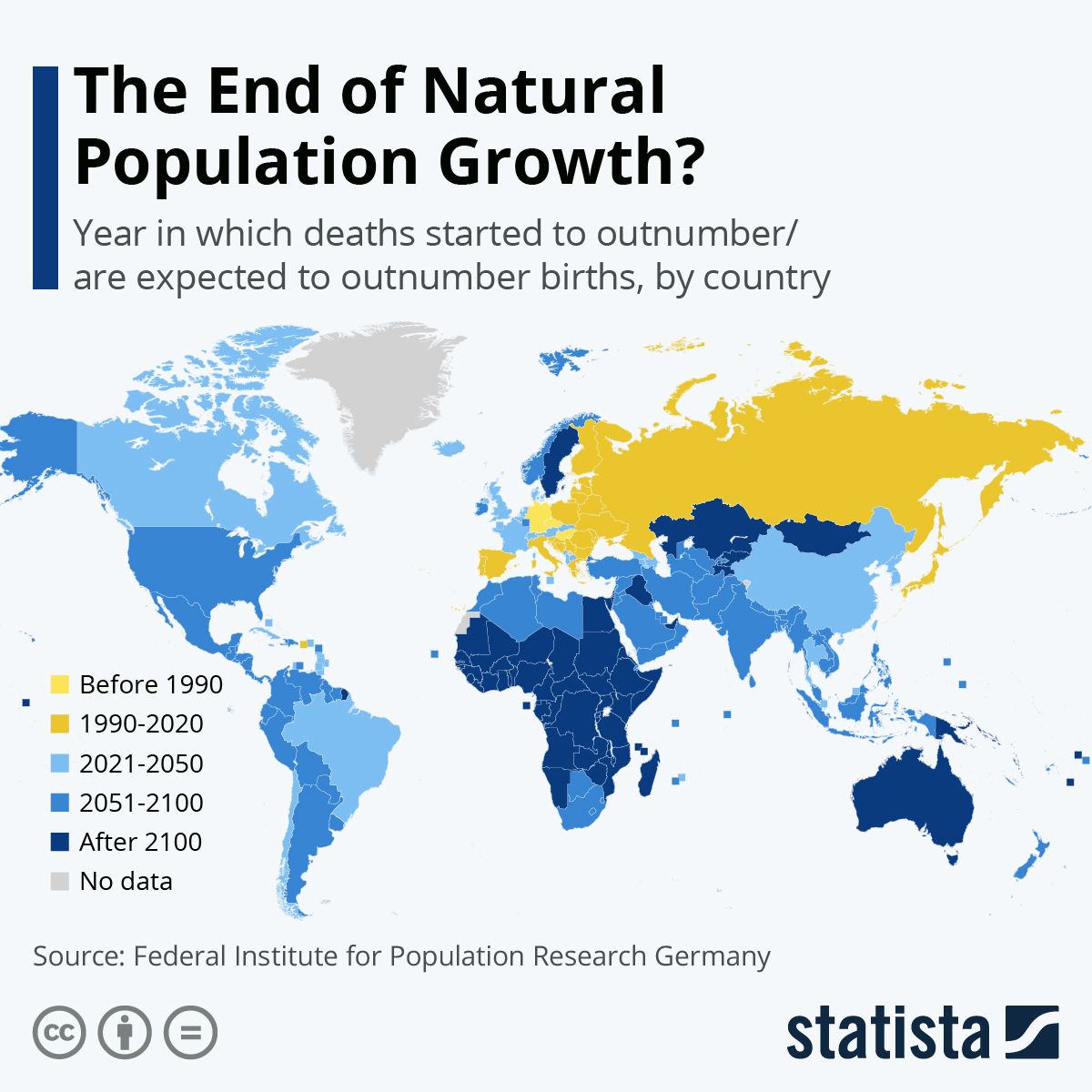
The end of natural population growth?
The breakdown of global supply chains is well-known by now. Whether it’s finding groceries in your supermarket, buying a new car or buying appliances like dishwashers and refrigerators, goods are scarce. Also, deliveries take forever and choices are limited. Many people wonder why the problem isn’t going away. Here’s the answer.

Econ Dev Show Newsletter
Join the newsletter to receive the latest updates in your inbox.