Podcast 231: Speed Wins in Economic Development with Mike Swesey
Because the site selector may have shortlisted you before you knew there was a project.
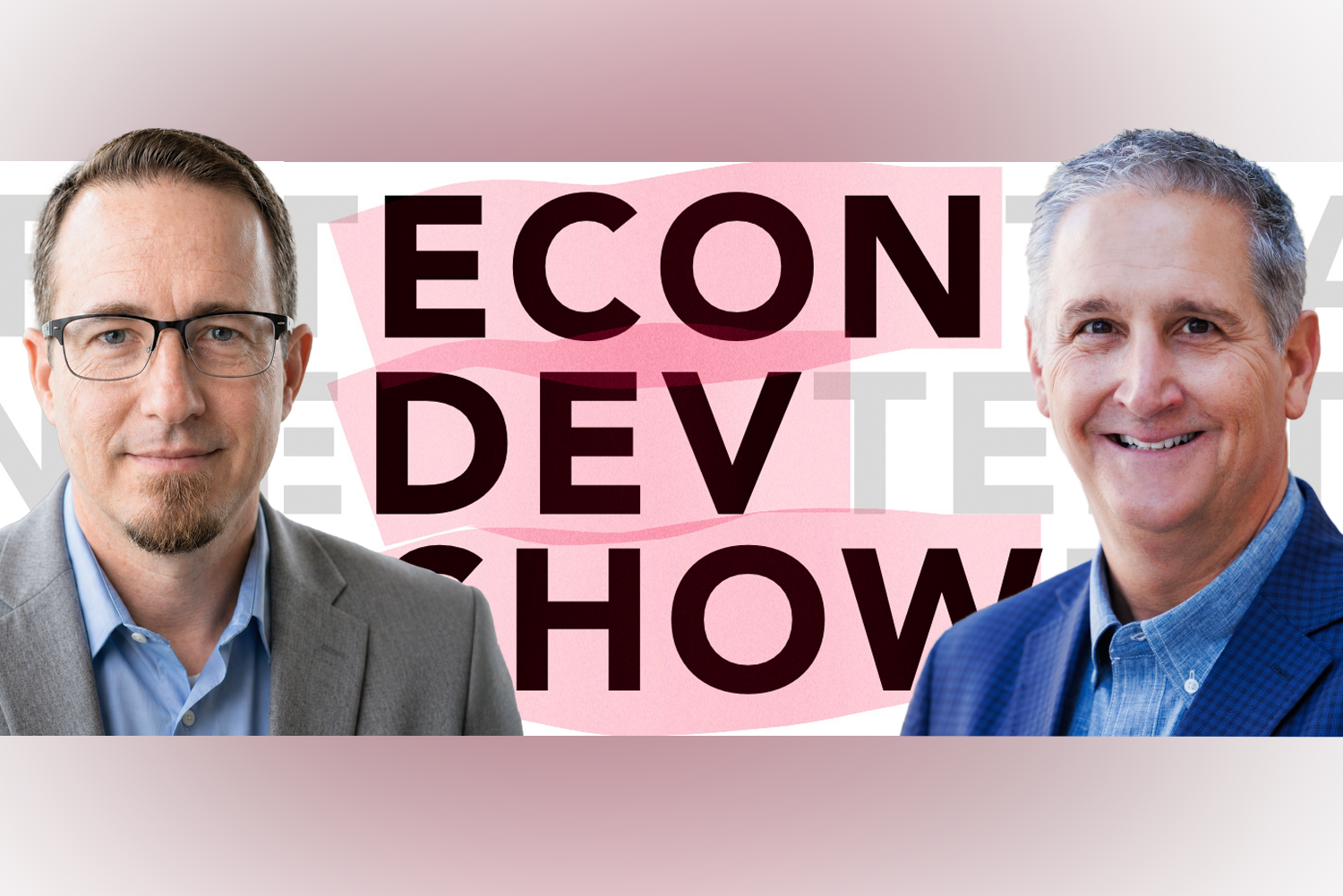
Episode 231 of the Econ Dev Show Podcast is out. Listen now.
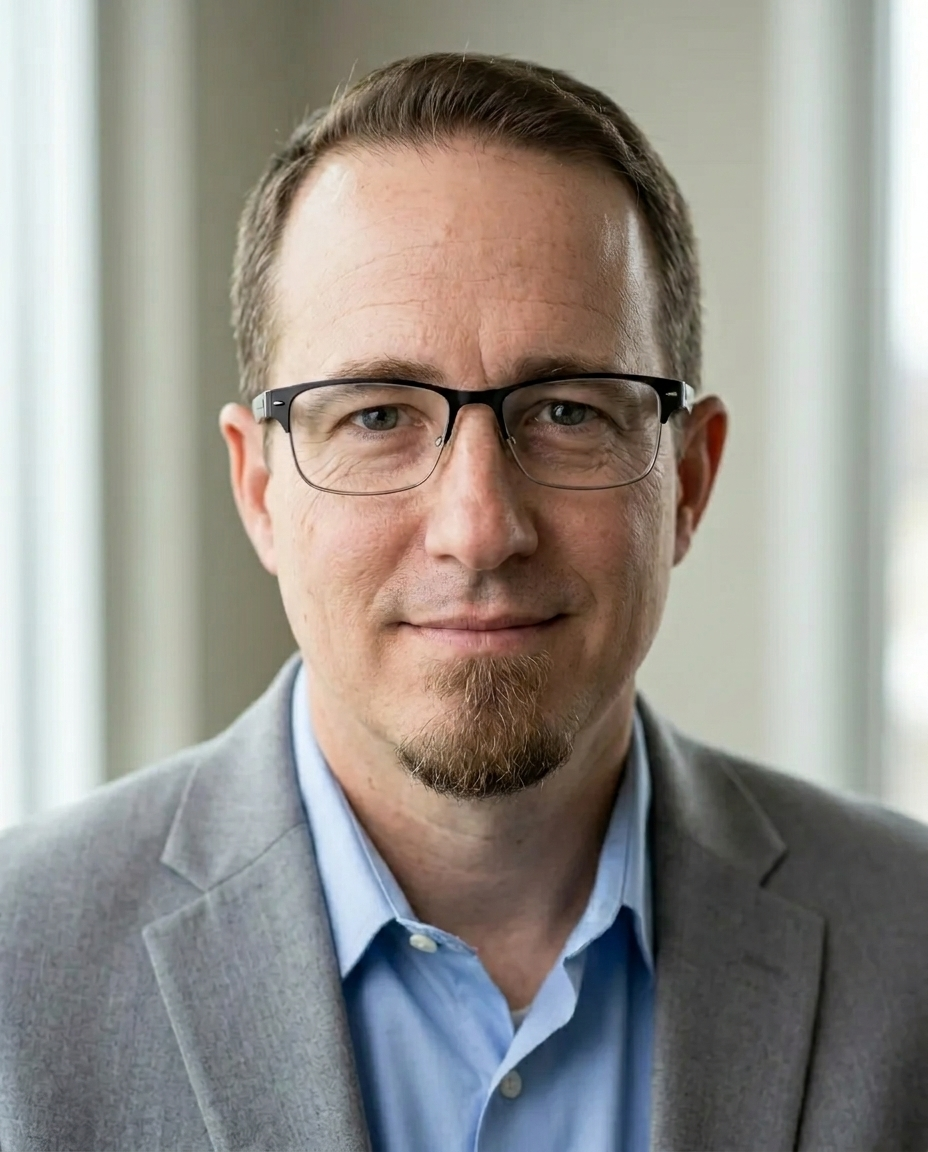
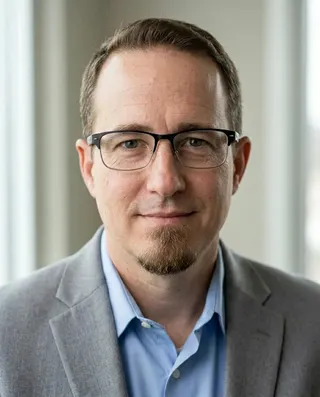
In this episode of the Econ Dev Show Dane Carlson talks with Mike Swesey, president and CEO of the St. Petersburg Area Economic Development Corporation, about how St. Pete has worked to become known as a business destination as well as a place with beaches, culture, and quality of life.
Mike shares lessons from recruiting companies from markets like New York and Europe, explains why responsiveness can determine whether a community even stays on a site selector’s list, and makes the case for targeting companies that genuinely fit your workforce and community.
He also discusses using existing companies as your best salespeople, taking every project lead seriously, resisting the pressure to chase bad-fit wins, knowing your market deeply, and communicating constantly with your board so they understand the work happening before the announcements arrive.
Like this show? Please leave us a review here — even one sentence helps!

Sitehunt helps economic developers find and understand their sites, match them to projects, and respond with confidence in minutes instead of scrambling for days.
10 Actionable Takeaways for Economic Developers
- Make responsiveness part of your competitive strategy. Mike argues that companies are making decisions faster and communities may be shortlisted before they even know a project exists. Have your data, website, property information, and team ready so you can respond accurately within hours or days rather than scrambling after the request arrives.
- Treat every legitimate-looking lead seriously until you know otherwise. Mike tells the story of nearly dismissing what sounded like a questionable data-center inquiry that turned out to be Google. Unknown company names, informal inquiries, or unusual approaches should be investigated rather than automatically discarded.
- Target companies that fit the workforce you actually have. St. Pete focuses on industries and companies that align with its existing workforce rather than simply pursuing any company willing to listen. Build recruitment targets around the skills, occupations, graduates, and industry experience already present in your market.
- Use existing companies as third-party validators. Successful companies can become some of your strongest recruiters. Mike describes connecting prospects with executives who have already relocated or expanded in St. Pete and letting those executives talk candidly about their experience without the EDC in the room.
- Look beyond complete headquarters relocations. A company does not have to abandon its existing headquarters for your community to win. Expansion operations, new growth, regional offices, and future hiring can produce substantial economic impact even when the original location remains open.
- Know your product well enough to answer hard questions without bluffing.Companies and consultants often already know the answer when they ask about your workforce, education system, demographics, or costs. Know the numbers well enough to respond confidently and accurately instead of trying to “fake it till you make it.”
- Don’t oversell your community just to get an announcement. A recruitment win becomes a problem if the company arrives and discovers that the promised workforce, costs, or operating conditions do not exist. Focus on creating successful long-term customers rather than maximizing short-term announcements.
- Understand who is actually moving into your community. Population growth alone is not enough. Mike recommends knowing the ages, skills, education levels, graduation pipeline, and workforce characteristics of the people entering your market so you understand whether your growth supports your business recruitment strategy.
- Communicate activity to your board before they have to ask about results.Economic development is a long game, and announcements do not happen on a predictable schedule. Keep board members informed about marketing campaigns, prospect activity, outreach, and other leading indicators so they understand the work underway even during quiet periods.
- Build trust through authenticity and consistency. Mike emphasizes being real, professional, transparent, and trustworthy. Economic developers are asking executives and site-selection professionals to make decisions with long-term consequences, so credibility matters as much as salesmanship.
Episode Links
Econ Dev Show Newsletter
Join the newsletter to receive the latest updates in your inbox.