You Didn't Lose Because of Incentives
Why communities lose deals to delay, risk, and confusion, not price

 Dane Carlson
Most communities already know why they lost the deal.
They didn't offer enough.
It's simple. It's defensible. And it's usually wrong.
In his conversation with Eric Voyles, Dane Carlson surfaces a harder truth. Communities don't lose on price nearly as often as they think. They lose because they're slow, unclear, and full of avoidable risk.
If time is the real constraint in site selection, then speed isn't a bonus.
It's the incentive.
That's the real lesson behind TexAmericas Center.
You're Solving the Wrong Problem
Economic developers spend a lot of time asking what they can give.
Far fewer ask what they can remove.
For manufacturers, risk reduction often matters more than another incentive layer. Delay hits everything: budgets, financing, internal confidence, and whether a project survives long enough to close.
A slower process with bigger incentives is still expensive.
A faster, cleaner path to occupancy often wins.
Companies pay for time either way. They pay when projects stall, decisions drag, and site questions linger.
The best sites don't just look ready.
They move.
Slow Is a Decision
Slowness gets treated like a fact of life in public work.
Most of the time, it isn't.
It's a stack of choices:
- too many approvals
- unclear authority
- split responsibility
- nobody willing to take risk
That's how friction compounds.
Organizations say they value speed. The customer experiences drag.
The model described in the episode pushes against that. Governance was aligned. Delays were reduced. Not by cutting accountability, but by deciding that time actually matters.
Because it does.
Every delay is a hidden tax on the deal.
The Market Rewards Product, Not Effort
One detail in the episode stands out.
They lost a deal.
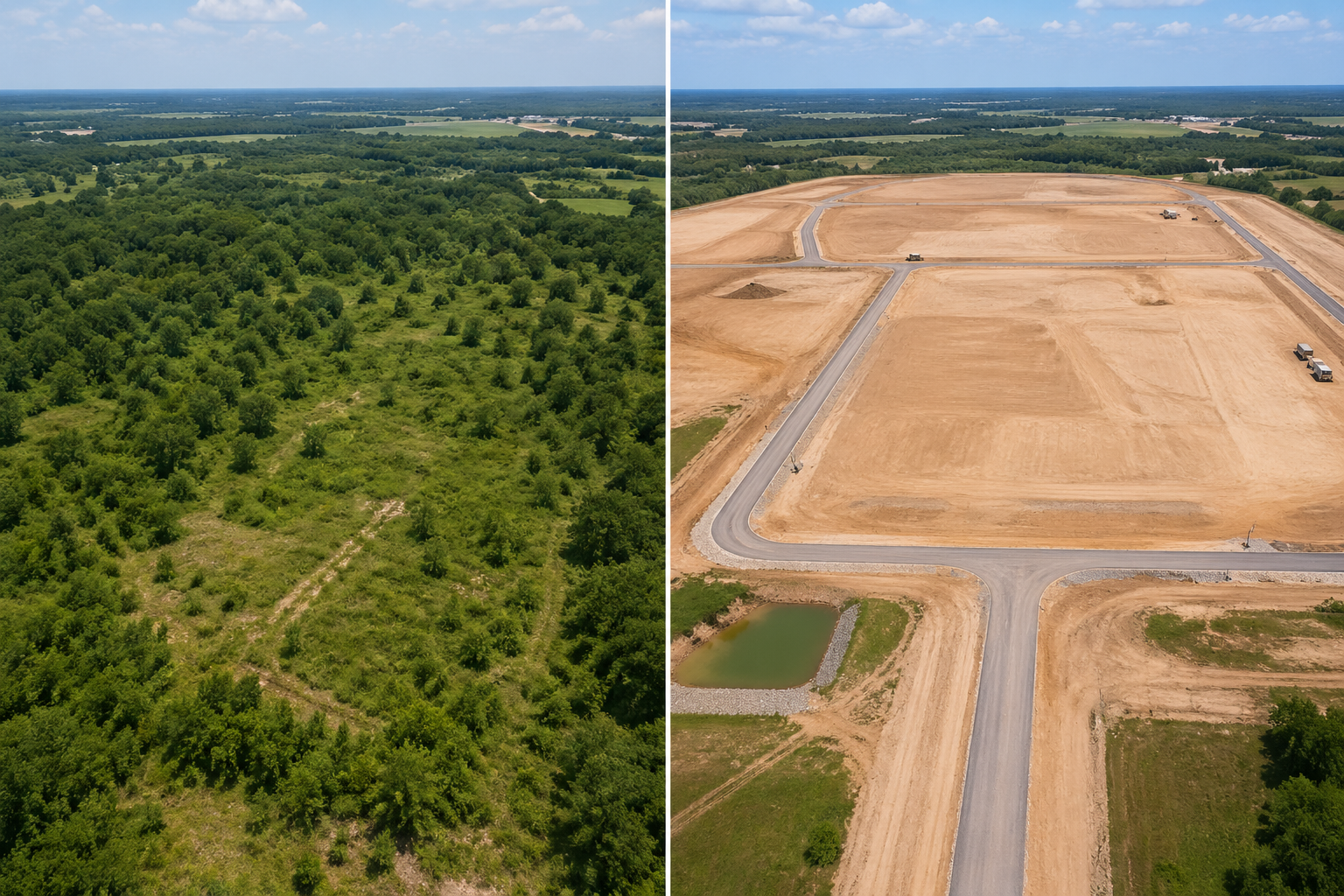
Then they cleared a 250-acre site.
That's the difference.
Most organizations hold a debrief and move on. Stronger ones fix the constraint.
If a deal exposes a weakness and you remove it permanently, the next opportunity starts ahead. If you don't, the market already told you the problem.
You just ignored it.
This shows up everywhere:
- shovel-ready sites
- environmental remediation
- utilities
- rail access
- documentation
If the same issues keep surfacing, they aren't side issues.
They are the strategy.
Messaging Doesn't Fix Weak Sites
There's a limit to what a good pitch can do.
If you don't control key assets, your story breaks under pressure:
- uncertain rail access
- unclear utilities
- shaky logistics
- too many outside dependencies
TexAmericas Center has an advantage because it controls more of the system. That doesn't guarantee wins.
It does reduce uncertainty.
And in site selection, certainty wins.
Most communities don't realize how much risk they carry until a prospect starts asking hard questions. That's when "marketable" inventory turns out not to be ready.
Playing It Safe Loses Deals
This part gets skipped in a lot of conversations.
Risk.
There's a willingness to take calculated bets. On sites. On infrastructure. On companies that aren't obvious winners yet.
That's where growth comes from.
Not reckless bets. Not zero risk.
The middle.
Communities that avoid risk don't become safer.
They become slower.
A Better Diagnostic
The incentives conversation is too shallow.
Ask better questions:
- When a deal stalls, is it price or process?
- Where does delay enter your system?
- What did your last loss actually change?
- Which assets do you need to control?
- Is your governance built for speed or procedure?
Those aren't flashy questions.
They're accurate.
The Real Incentive
Shovel-ready sites, speed to occupancy, rail access, utilities, financing, remediation, governance.
They aren't separate.
They're one system.
And they all point to the same conclusion:
Time is the real incentive.
Because it proves something most packages can't.
You're actually ready.
The market doesn't reward effort.
It rewards readiness.
If you want to see where your gaps actually are, Sitehunt can help make that work more visible and more actionable.

Econ Dev Show Newsletter
Join the newsletter to receive the latest updates in your inbox.