Podcast 220: The Hidden Cost of Becoming Cool with Jon Roberts of TIP Strategies
The episode where “cool” gets an invoice.


Episode 220 of the Econ Dev Show Podcast is out. Listen now.
In this episode Dane Carlson talks with Jon Roberts of TIP Strategies about his new book, The Cost of Cool: Austin's Tech Growth and the People Left Behind, and what Austin’s rise can teach economic developers everywhere.
They discuss how Austin became a tech and talent magnet, why that growth created real pressure around equity, housing, and displacement, and whether tech growth inevitably widens community divides.
Jon also explains why entrepreneurial ecosystems need more than enthusiasm, why universities and major companies matter, how communities like Green Bay and Racine County, Wisconsin are building on their own assets, and why economic developers need to think about AI, quantum computing, bioengineering, and the next wave of technology without forgetting the people who may be left behind.
Like this show? Please leave us a review here.
You may have heard of Sitehunt and thought, “We already have something like that.”
You probably don’t.
You may already have a property map. A GIS platform. A listing system. A spreadsheet. A broker database. A public portal.
Good. Keep it.
Sitehunt is not asking you to throw that away.
Sitehunt is the operational layer that sits between your property data and your project response.
Because when the RFI lands, the question is not, “Do we have a map?”
The question is, “Which sites fit this project, what is missing, and how fast can we send a credible answer?”
That is where most teams still do the work manually.
They search the map. Check the spreadsheet. Email the utility. Call the broker. Open old PDFs. Ask GIS. Rebuild the site sheet. Copy and paste into the response. Then hope nothing important was missed.
Sitehunt turns that scramble into a repeatable workflow.
It works with the tools you already have, enriches your site data, flags readiness gaps, scores sites against project requirements, and helps generate shortlists, site sheets, maps, and RFI response packages.
So no, Sitehunt is not a duplicate expense.
It is how you get more value out of the property systems you already pay for.
A map shows where your sites are.
Sitehunt helps you know which ones are ready.
10 Actionable Takeaways for Economic Developers
- Treat equity as a front-end strategy, not a cleanup project. If tech growth is coming, plan for housing, displacement, affordability, and access before the growth accelerates.
- Be honest about the tradeoffs of tech growth. Jon argues that more tech investment has historically been linked with greater inequity, so economic developers should discuss that risk openly instead of assuming growth automatically benefits everyone.
- Do not build an entrepreneurial strategy around vibes alone. Incubators and startup events help, but the conversation emphasized the importance of real links to research, tech transfer, and major corporate activity.
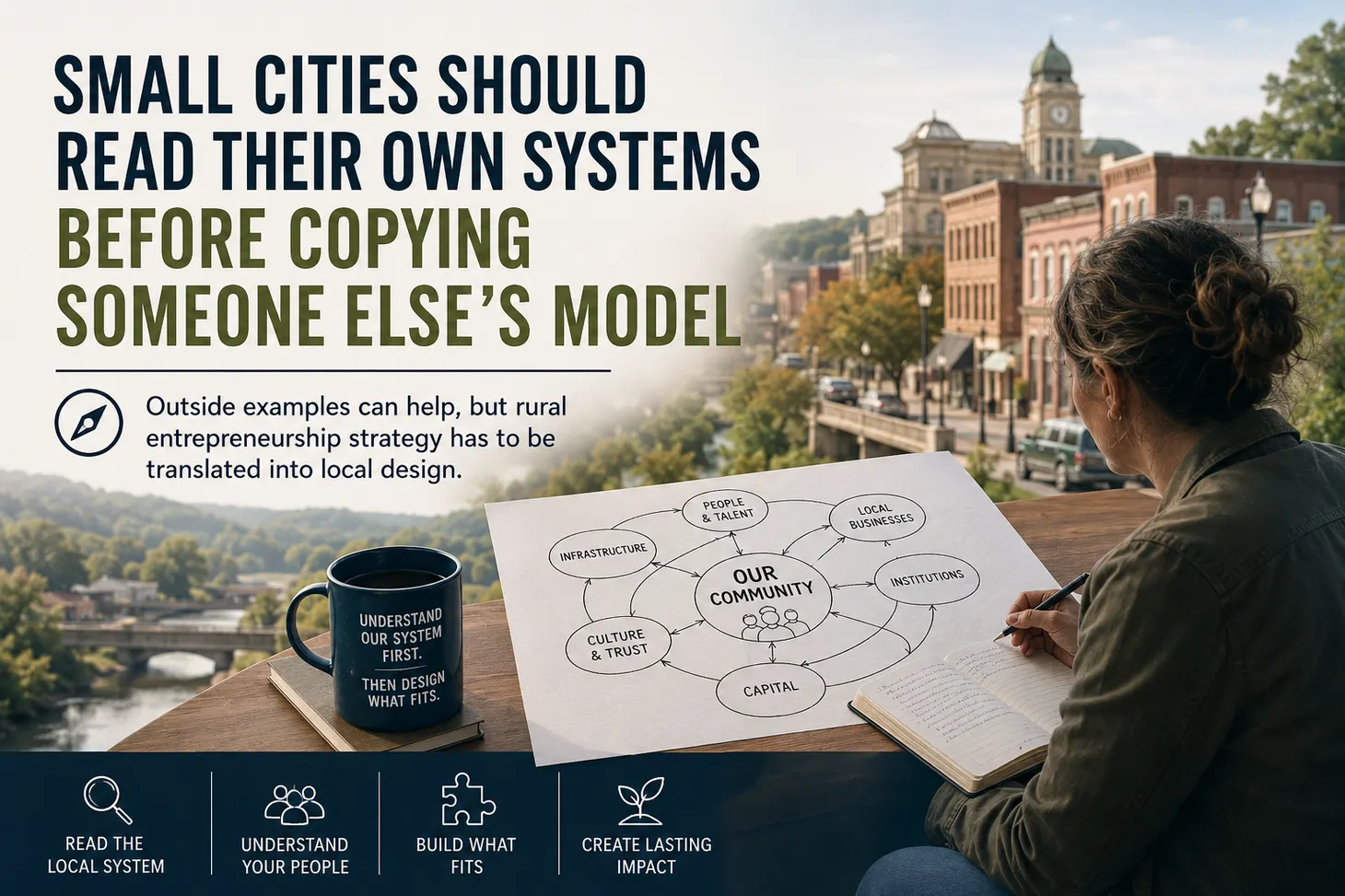
- Know the assets you actually have. Green Bay's example shows that communities can build from distinctive local strengths, including major institutions or brands, instead of trying to copy Austin or Silicon Valley.
- Create tight relationships with universities and companies, even if they are not in your backyard. Physical proximity may help, but the more important issue is whether the connection is real, active, and tied to specific development opportunities.
- Use major projects as platforms, not endpoints. A data center complex, corporate investment, or innovation park should raise the question: "What turns this into something more?"
- Protect vulnerable neighborhoods before market pressure arrives. Once high-income workers begin bidding up undervalued neighborhoods, the available responses become more limited.
- Understand that "cool" is hard to manufacture. Austin's music, counterculture, local institutions, and "Keep Austin Weird" identity became part of its attraction, but they were not simply chamber-of-commerce slogans.
- Keep a long view on technology. AI matters, but Jon cautions economic developers not to treat it as the final technological shift. Quantum computing, bioengineering, and other changes may be next.
- Make the uncomfortable conversations part of the work. Questions about displacement, inequality, tech disruption, and who benefits from growth may not have easy answers, but avoiding them makes communities less prepared.
Episode Links

Econ Dev Show Newsletter
Join the newsletter to receive the latest updates in your inbox.