17 Things Economic Developers Need to Know This Week
The stories Dane thinks you need to see. April 16, 2026 edition.


Welcome to this week's issue of What Economic Developers Need to Know This Week, where we collect links, charts, and ideas about the economy and place.
This week: 17 stories, graphics, and rabbit holes that are mostly relevant to economic development.
If you are wondering what to do with the info in this newsletter: send one item to a board member who still thinks workforce, land, incentives, logistics, and infrastructure can all be handled as separate conversations.
Today's email is brought to you by Resource Development Group
Resource Development Group and Convergent Nonprofit Solutions have recently announced a merger of these two well respected firms. RDG is now operating as Resource Development Group, a Convergent Company and will lead the combined operations in economic development and chamber engagements. Meanwhile, the Convergent banner will take the forefront on efforts on supporting traditional philanthropic and higher education organizations
This merger maintains RDG's innovative and custom approach while also creating the deepest bench of economic development and chamber fundraising expertise in the industry, the most complete data set in the country regarding economic development and chamber funding, and the greatest flexibility to be able to support engagement models tailored specifically to every market, regardless of size.
Whether you’re a single county EDO ready to kick off your first fundraising campaign or a large regional organization on your third funding cycle, they have the team and experience to get you the results you’re looking for.
This Week On Econ Dev Show
1) Economic Development and Developers in the News # 239: Econ dev news from 67 economic development executives and organizations in 35 states.

2) Podcast 215: How Oklahoma City Turned Voter Investment Into Real Growth with Christy Gillenwater: A penny tax, a big vision, and a very long game.

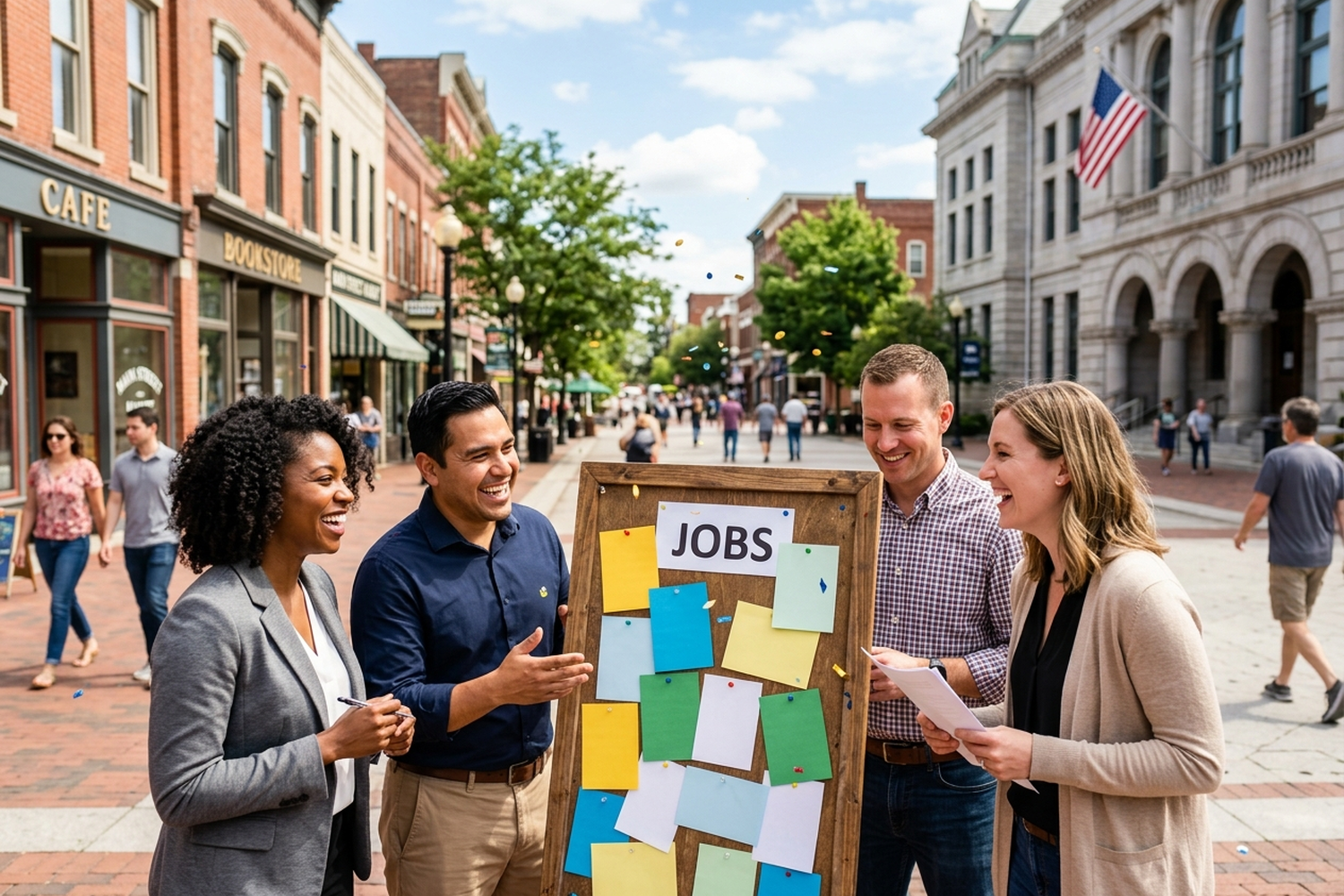
3) 32 New Economic Development Jobs This Week: In 19 states, from $62k - $185k.
4) 26 Things Economic Developers Need to Know This Week: The stories Dane thinks you need to see. April 9, 2026 edition.

Sitehunt automates industrial real estate research so economic developers can respond to site selection RFIs in minutes instead of days.
Industrial Geography And Technology
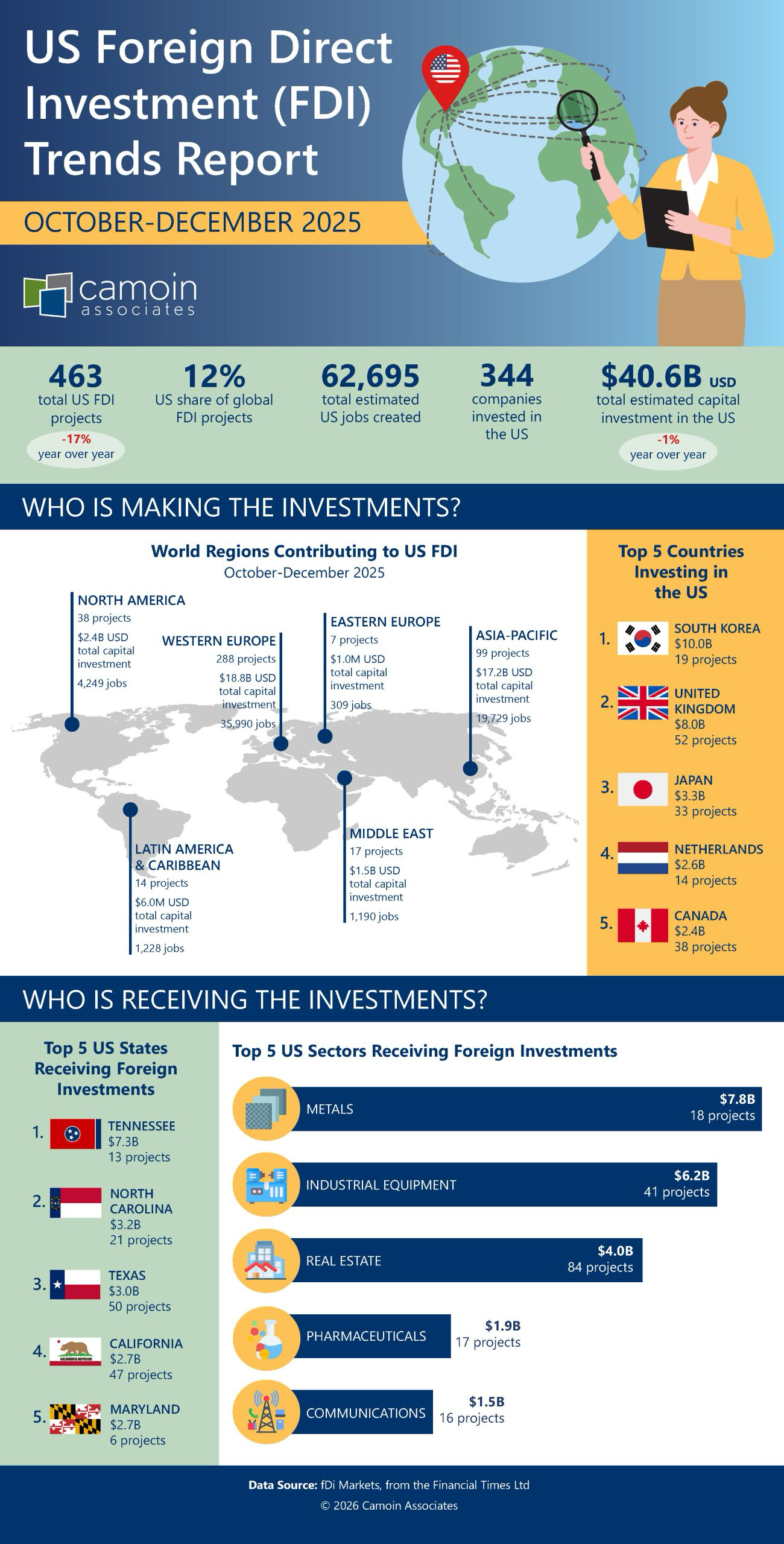
5) Camoin's FDI trendline still says the U.S. is a scale play, not a broad-based one: The Q4 2025 report logged 463 projects, 62,695 jobs, and $40.6B invested. The real takeaway is that foreign capital is still going to a limited set of places that can absorb large projects cleanly, which is why site product and infrastructure discipline matter more than incentive theater.
6) The Manufacturing Talent Pipeline Index: A strong reminder that workforce is part of site product. Kentucky and Alabama score well because production and employer demand line up; Wyoming shows the harder truth, a state can produce a lot of skilled workers and still lose them if retention and absorption are weak.
7) How Ohio Rebuilt its Factory Base: The article is nominally about Ohio, but the useful lesson is about compounding. Dayton logged 44 corporate facility projects in 2024, Ohio keeps stacking manufacturing wins, and the underlying pattern is what matters most: logistics, skills, smaller-city affordability, and local execution finally reinforcing each other instead of fighting each other.
8) The AI jobs scare meets 250 years of data: A useful antidote to the laziest AI panic. The AEI point is not that disruption is fake, it is that labor markets usually absorb major technology shocks through a long, uneven adjustment rather than instant collapse, which means local workforce strategy should focus less on theater and more on retraining capacity, churn, and transition speed.

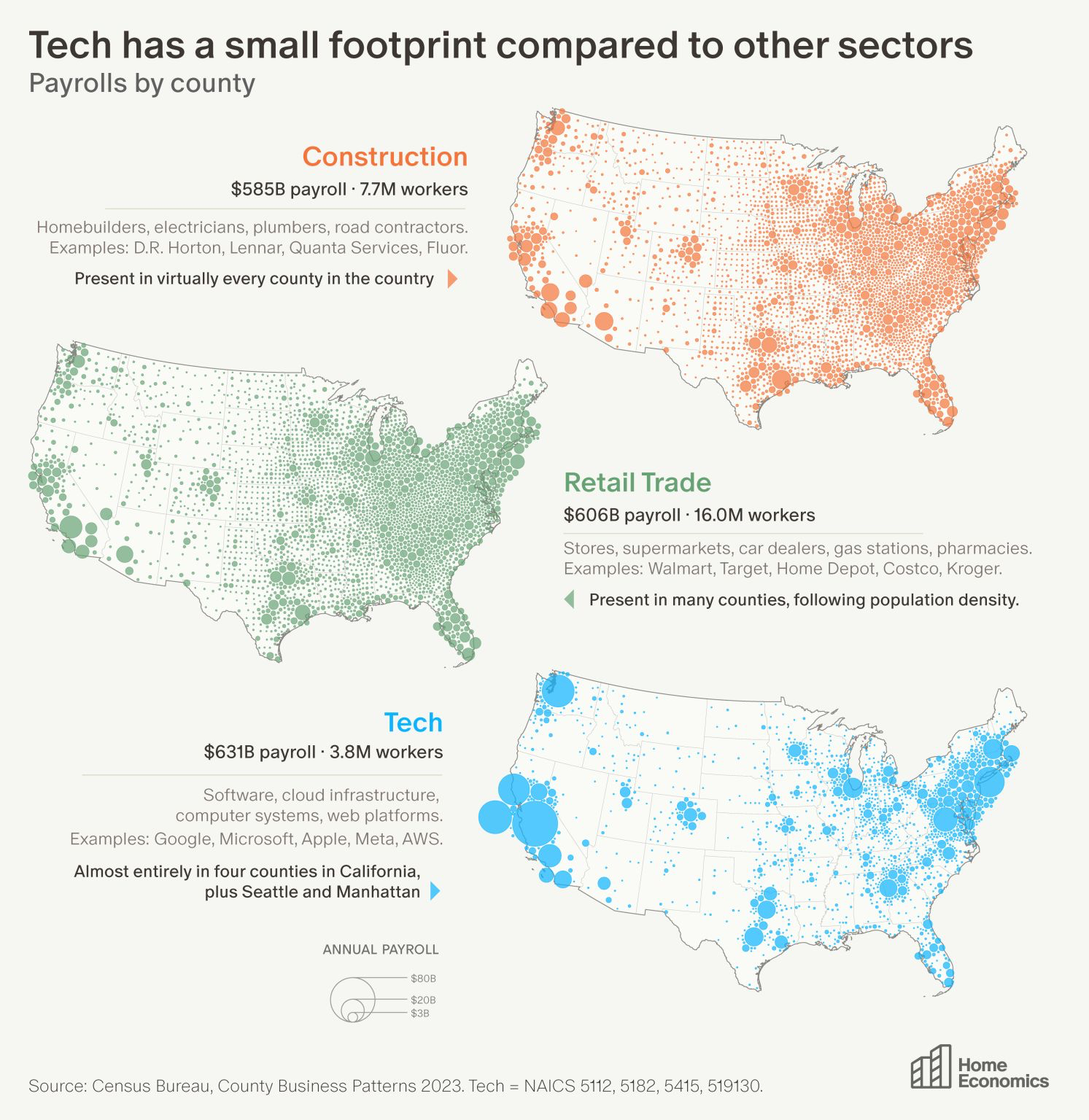
9) Tech's economic weight is real, but its footprint is narrow: This county payroll map is a good antidote to lazy "just become a tech hub" thinking. Construction and retail touch most of the map; high-end tech payroll is still overwhelmingly concentrated in a handful of California counties plus Seattle and Manhattan.
Strategy, Capital, And Place
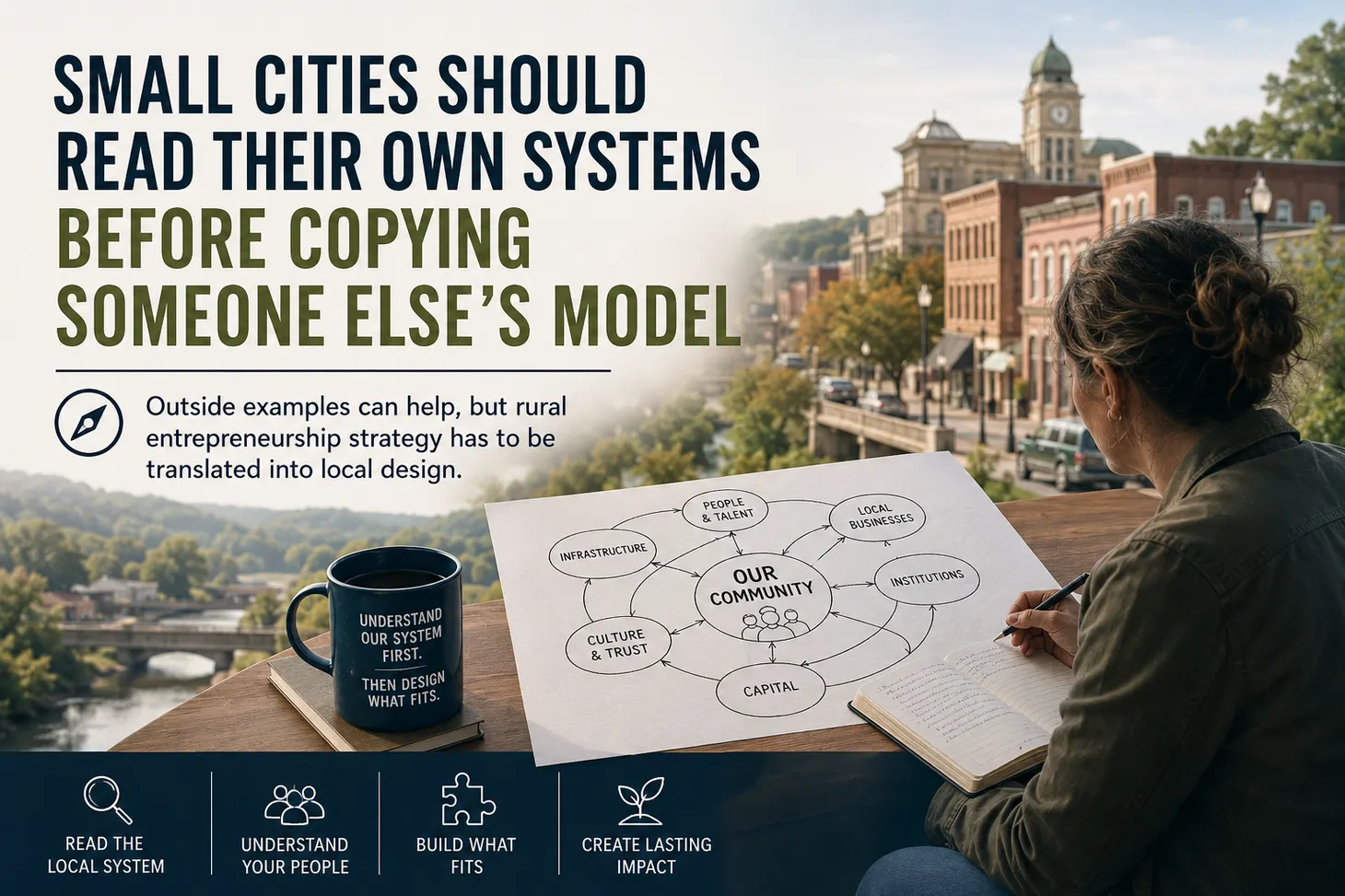
10) Your Neighbor's Incentive Policy Doesn't Fit You, And Borrowing It Could Cost You More Than You Think: One of the better recent arguments against copy-paste incentives. Gibson's point is that abatements, TIFs, and grants are fiscal instruments, not templates. If your tax base, target sectors, and enabling statutes are different, a borrowed policy can be too rich, too weak, or flat-out noncompliant.
11) Why Every Community Needs an Economic Development Strategic Plan, And Why Getting It Right Matters: Basic, correct, and timely. A real strategy document is not consultant wallpaper, it is the thing that links workforce, land use, housing, incentives, and infrastructure before the next political cycle scrambles them again.
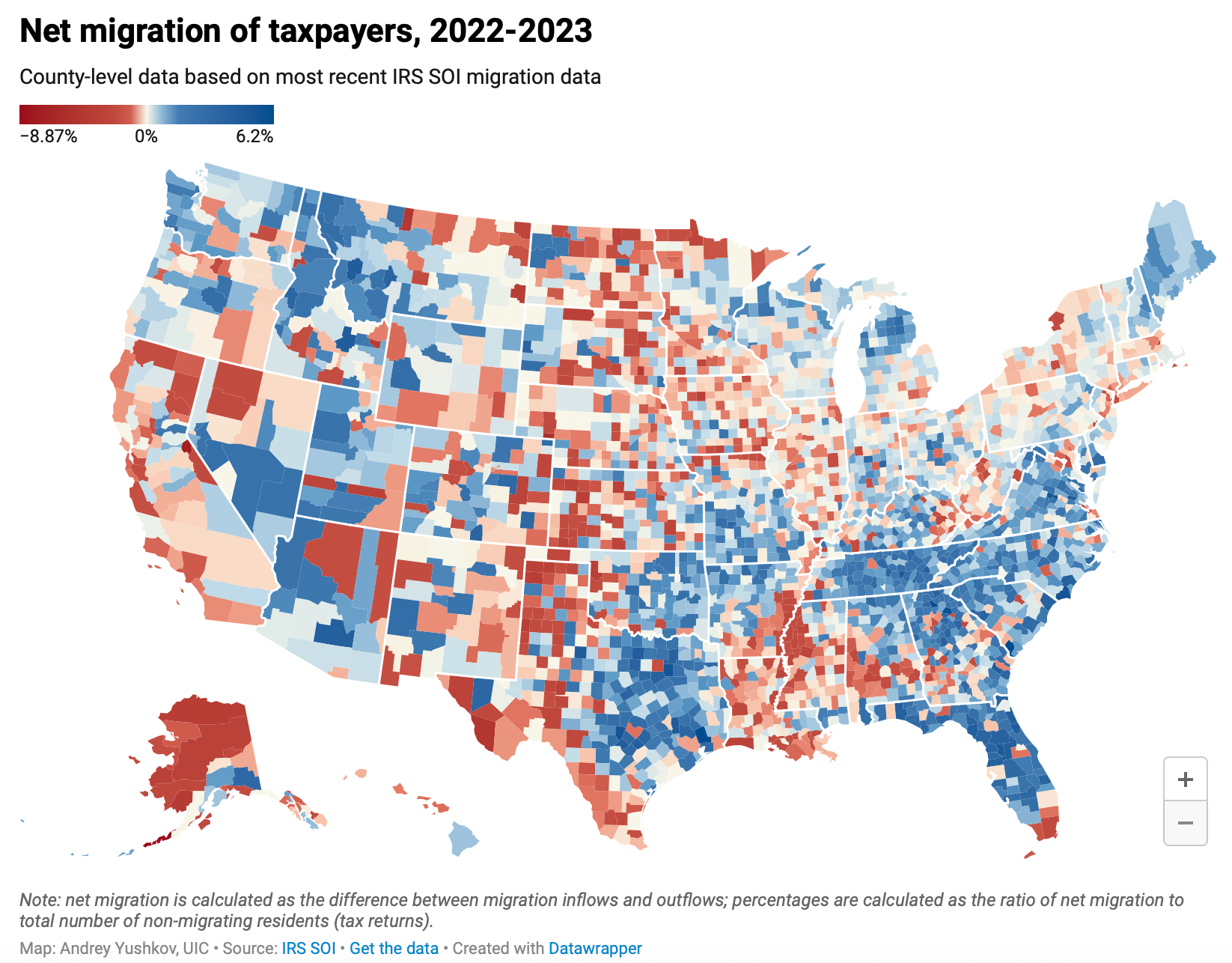
12) People don't just move, their money reshapes land demand: A clean way to think about migration: follow income, not just heads. Places drawing taxpayers with money change land prices, development feasibility, and retail support faster than raw population tables suggest.
13) Treasury, IRS provide guidance to States for nominating census tracts as qualified opportunity zones under the One, Big, Beautiful Bill: This is the practical starter gun for the next OZ round. The dates matter: states can start nominating tracts on July 1, 2026, the first new designations take effect January 1, 2027, and the law made the program permanent with extra rural benefits, which means site consultants, local governments, and landowners are about to start gaming this map again.
Infrastructure And Logistics
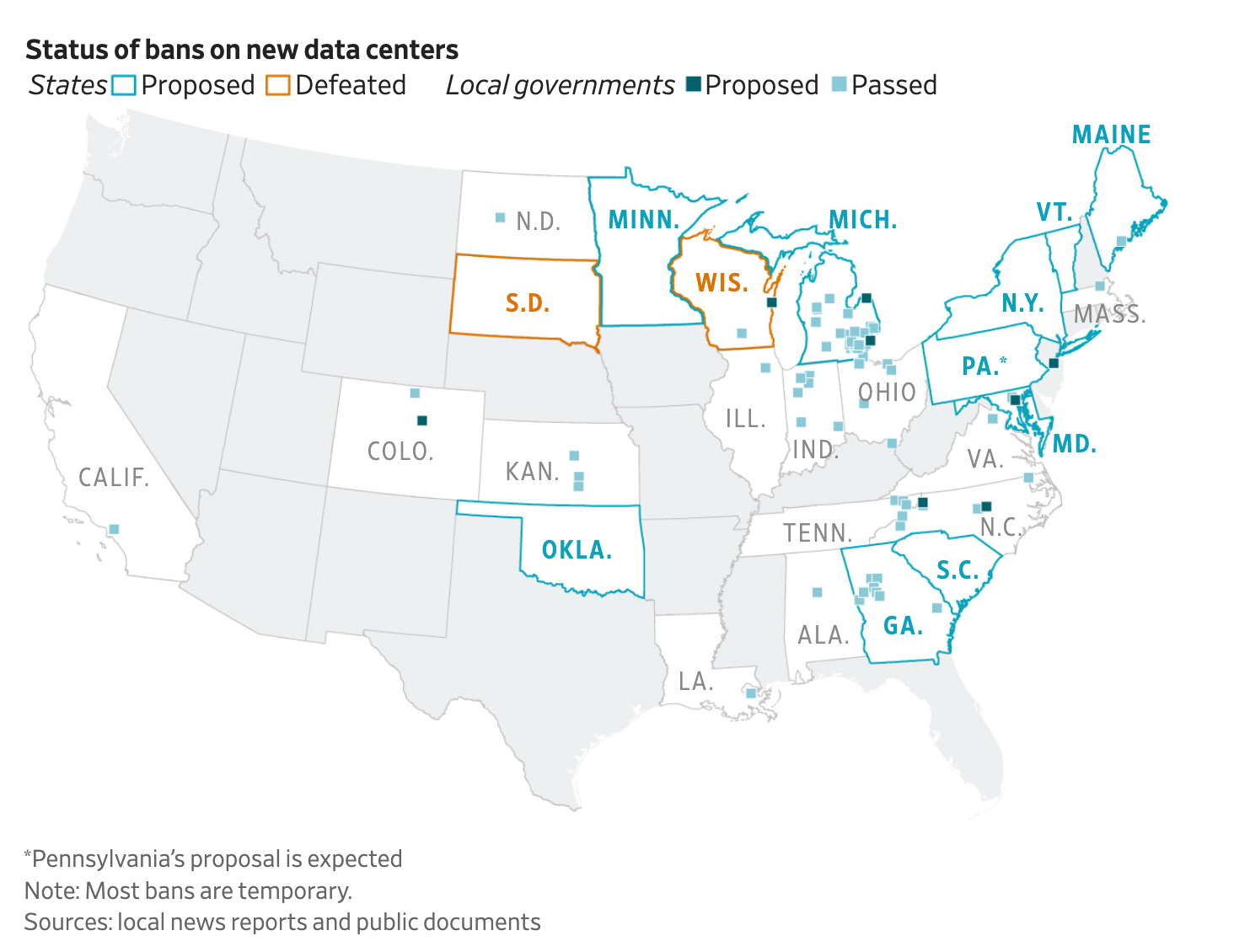
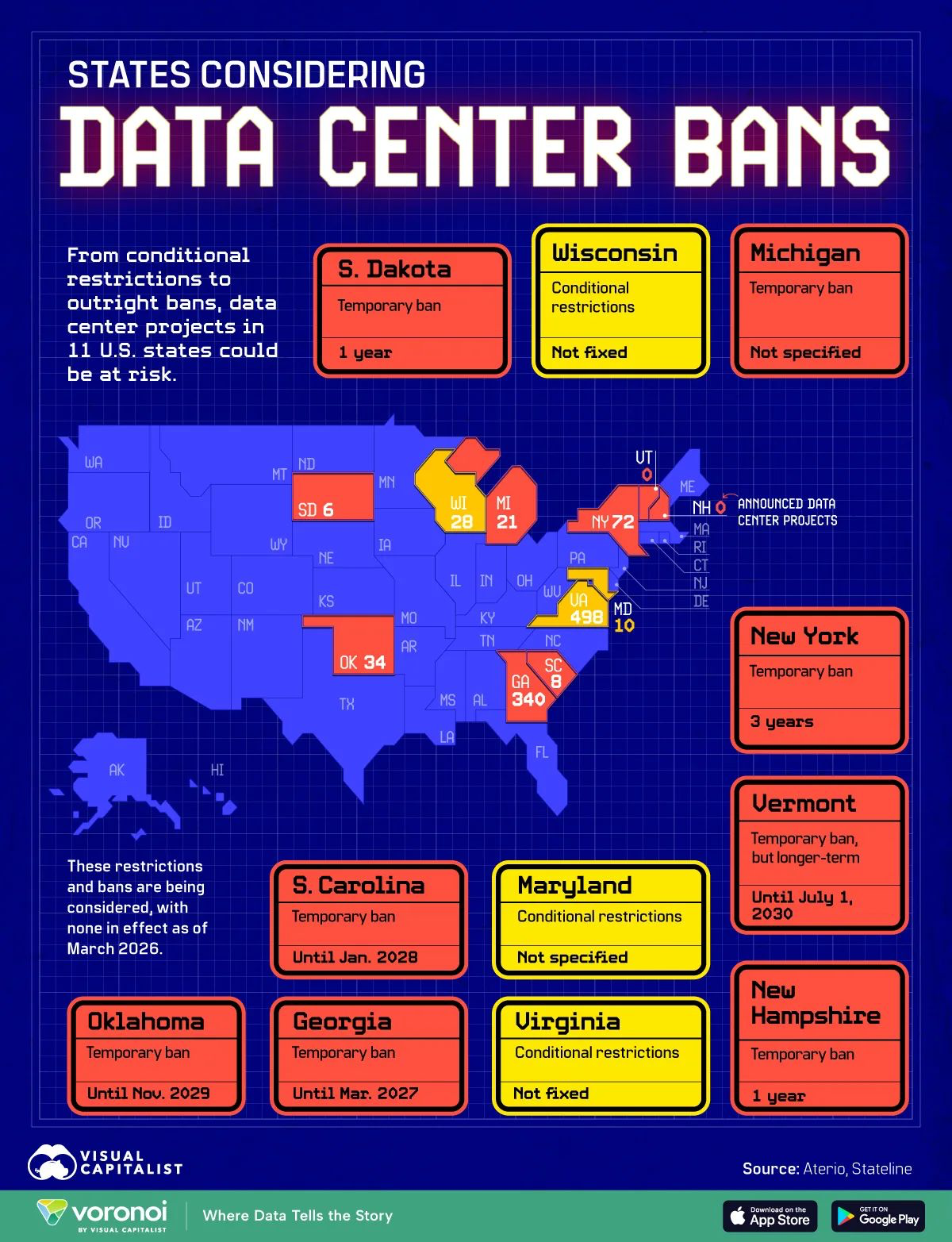
14) Data center politics are moving from incentives to accountability: The April shift has been sharp. The Washington Post poll found Virginia voter comfort with new local data centers fell from 69% in 2023 to 35% now; Axios reports Illinois has at least 222 data centers with more than 100 planned or under construction; and NCSL says 38 states still offer dedicated incentives even as lawmakers start adding guardrails. Communities are shifting from "how do we win one" to "what do we require first," especially around power, tax cost, and water.
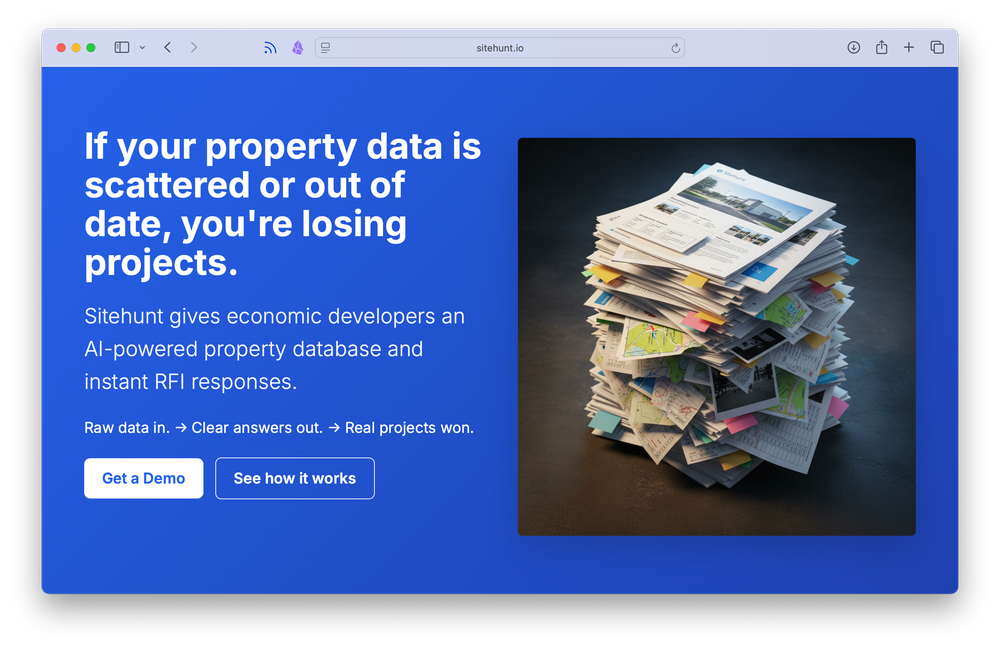
Stop managing sites in a spreadsheet disguised as a map.
Most tools help you store property listings and make them look good online. Sitehunt actually understands your sites. It pulls together infrastructure, utilities, zoning, and regional context from millions of real data sources to build a complete picture automatically. No manual data entry. No guessing. No chasing down answers when a project comes in.
When the RFI hits, speed wins. Sitehunt doesn’t just display your sites, it evaluates them. You can match properties to project requirements, answer detailed questions instantly, and move from “we think this might work” to “here’s exactly why it works” in minutes. While others are still assembling information, you’re already submitting a complete, confident response.
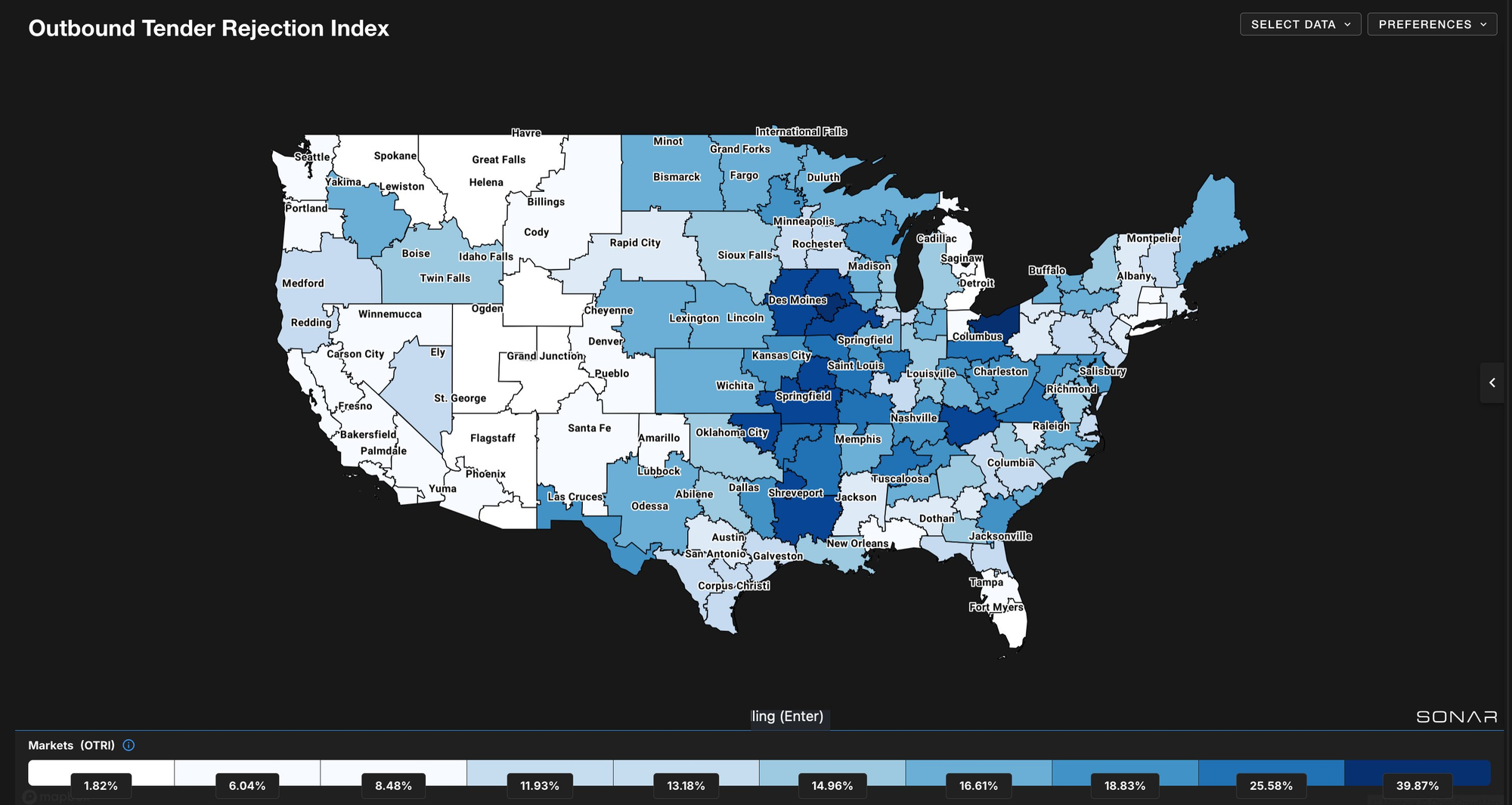
15) Goods movement is shifting inland: For a long time, the middle of the country was mostly on the receiving end of freight, a lot of it coming in from the coasts tied to imports. In the last few months, that's changed. The middle is moving from receiving to producing, from inbound to outbound. The goods economy is shifting. The industrial heartland isn't just where things arrive anymore. It's where they start.
16) UPS growing RFID usage to boost shipper visibility, trim manual scans: This sounds like ops trivia until you realize it points to the new logistics standard. UPS says RFID has already cut out nearly 20 million manual scans a day, which means the bar for supply-chain visibility keeps rising for every warehouse, industrial park, and inland freight market plugged into modern distribution networks.
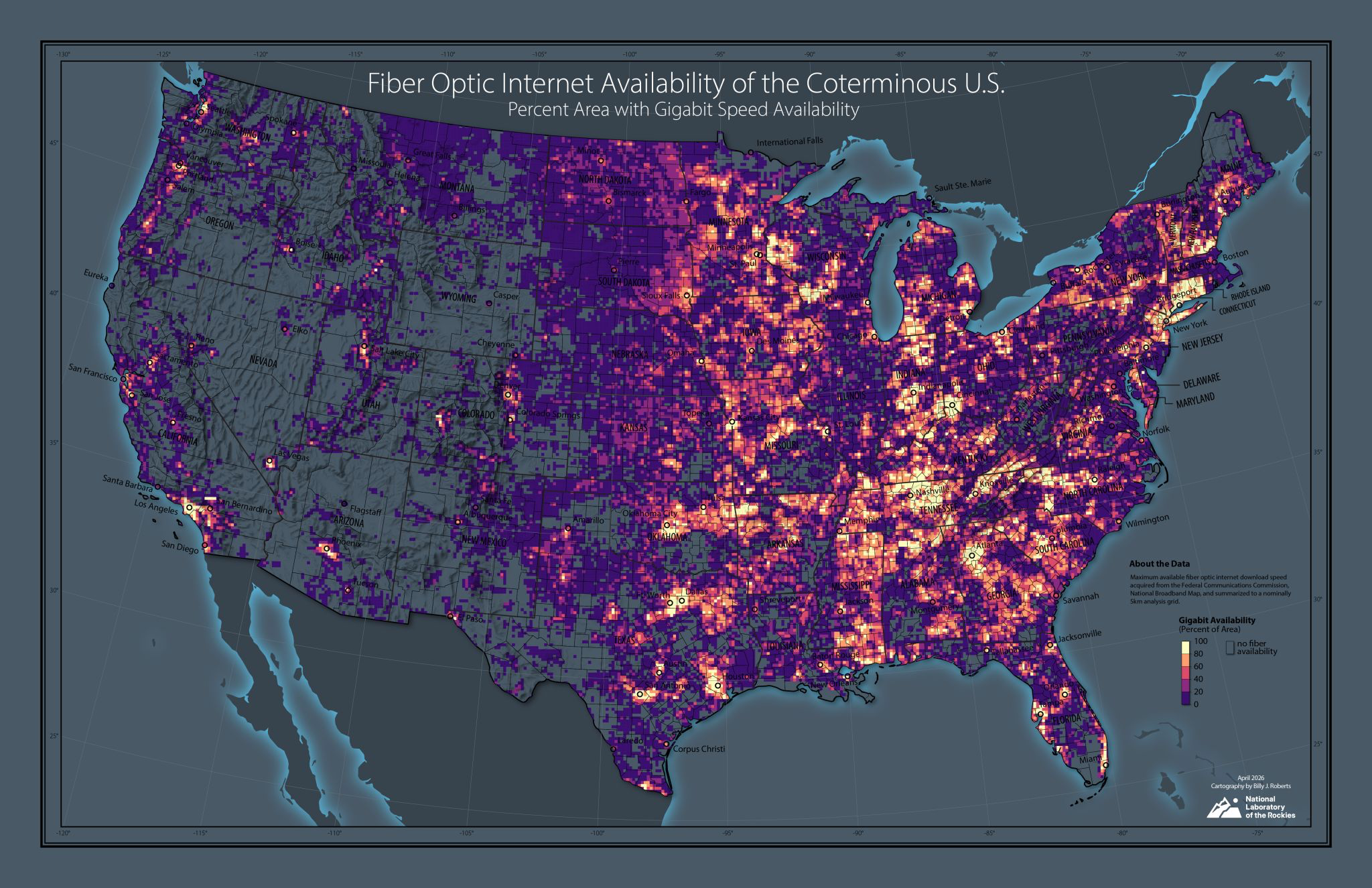
17) Broadband is still economic development infrastructure, not just a quality-of-life amenity: This fiber map is a useful reminder that digital capacity is still wildly uneven. In a lot of places, the real divide is no longer "internet or no internet," it is whether a community has the kind of speed and redundancy that can support modern firms, distributed work, and AI-heavy workflows without becoming an operational risk.