20 Things Economic Developers Need to Know This Week
The stories Dane thinks you need to see. June 11, 2026 edition.


Welcome to this week's issue of What Economic Developers Need to Know This Week, where we explore the evolving dynamics of our economy.
This week we have 20 tools, stories, graphics, charts and videos that I think you'll find informative, useful, inspiring, and perhaps even humorous. Some are economic development related directly, and some only indirectly. 🤔
If you're wondering what to do with the info in this newsletter, send something to your board members. It will make you look good!
Finally, make sure and read the whole thing because the Bentonville video at the bottom is really interesting. -Dane
Today's email is brought to you by Resource Development Group
Resource Development Group and Convergent Nonprofit Solutions have recently announced a merger of these two well respected firms. RDG is now operating as Resource Development Group, a Convergent Company and will lead the combined operations in economic development and chamber engagements. Meanwhile, the Convergent banner will take the forefront on efforts on supporting traditional philanthropic and higher education organizations
This merger maintains RDG's innovative and custom approach while also creating the deepest bench of economic development and chamber fundraising expertise in the industry, the most complete data set in the country regarding economic development and chamber funding, and the greatest flexibility to be able to support engagement models tailored specifically to every market, regardless of size.
Whether you’re a single county EDO ready to kick off your first fundraising campaign or a large regional organization on your third funding cycle, they have the team and experience to get you the results you’re looking for.
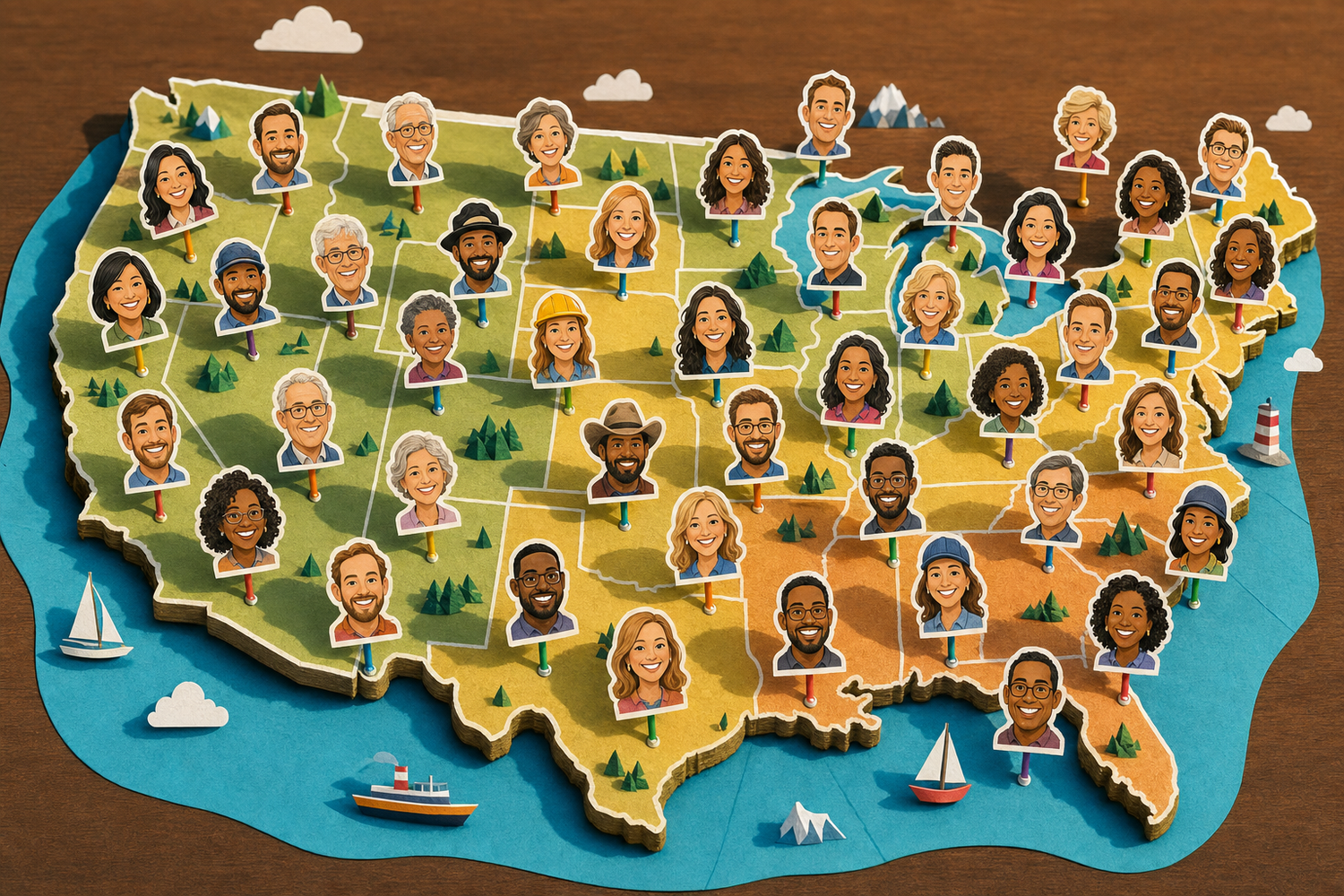
1) Economic development and developers in the news #247: 74 economic development executives and organizations in 34 states.

2) Podcast 222: how energy is changing site selection: Power has moved upstream in the deal conversation. Anna Cardona talks about why communities can no longer treat energy as a late-stage utility question. Listen: How Energy Is Changing Site Selection with Anna Cardona.

3) 23 new economic development jobs last week: Roles in 14 states, from $61,000 to $136,000.

4) 19 things economic developers need to know this week: Catch up on the June 4 edition before this week's new charts and labor-market signals. Read: 19 Things Economic Developers Need to Know This Week.

5) Economic development and developers in the news #246: 83 economic development executives and organizations in 28 states. A catch-up link if you missed the prior roundup.
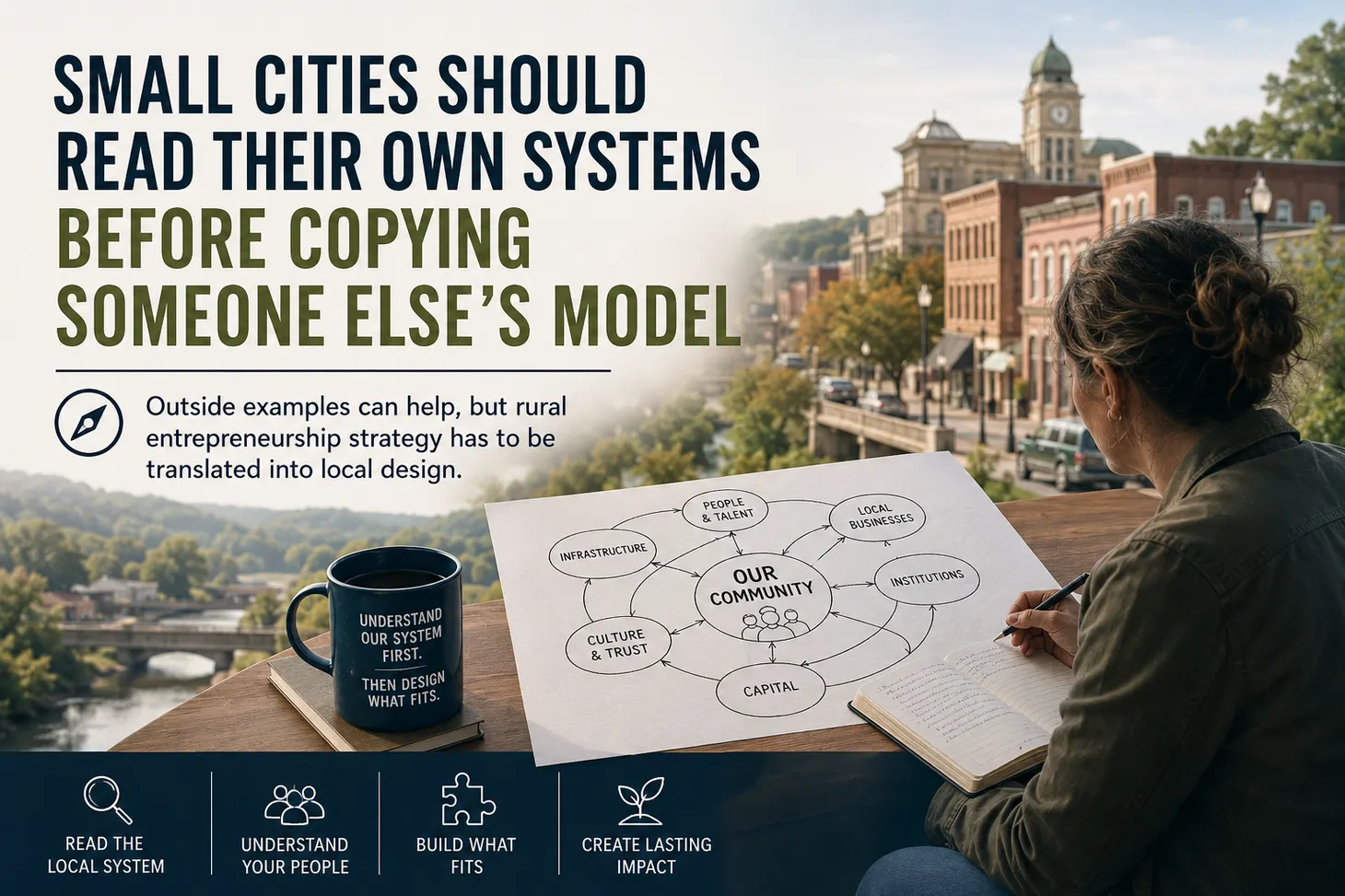
6) Small communities do not need smaller strategies: Scale changes the operating rhythm. Small communities need fewer priorities, committed leaders, accountability, and patience rather than a miniature version of a big-city plan.

7) When the chamber becomes the town's communication layer: Local activity needs a shared signal. Chambers and EDOs can turn scattered announcements, events, and wins into civic momentum when they help the town understand itself.
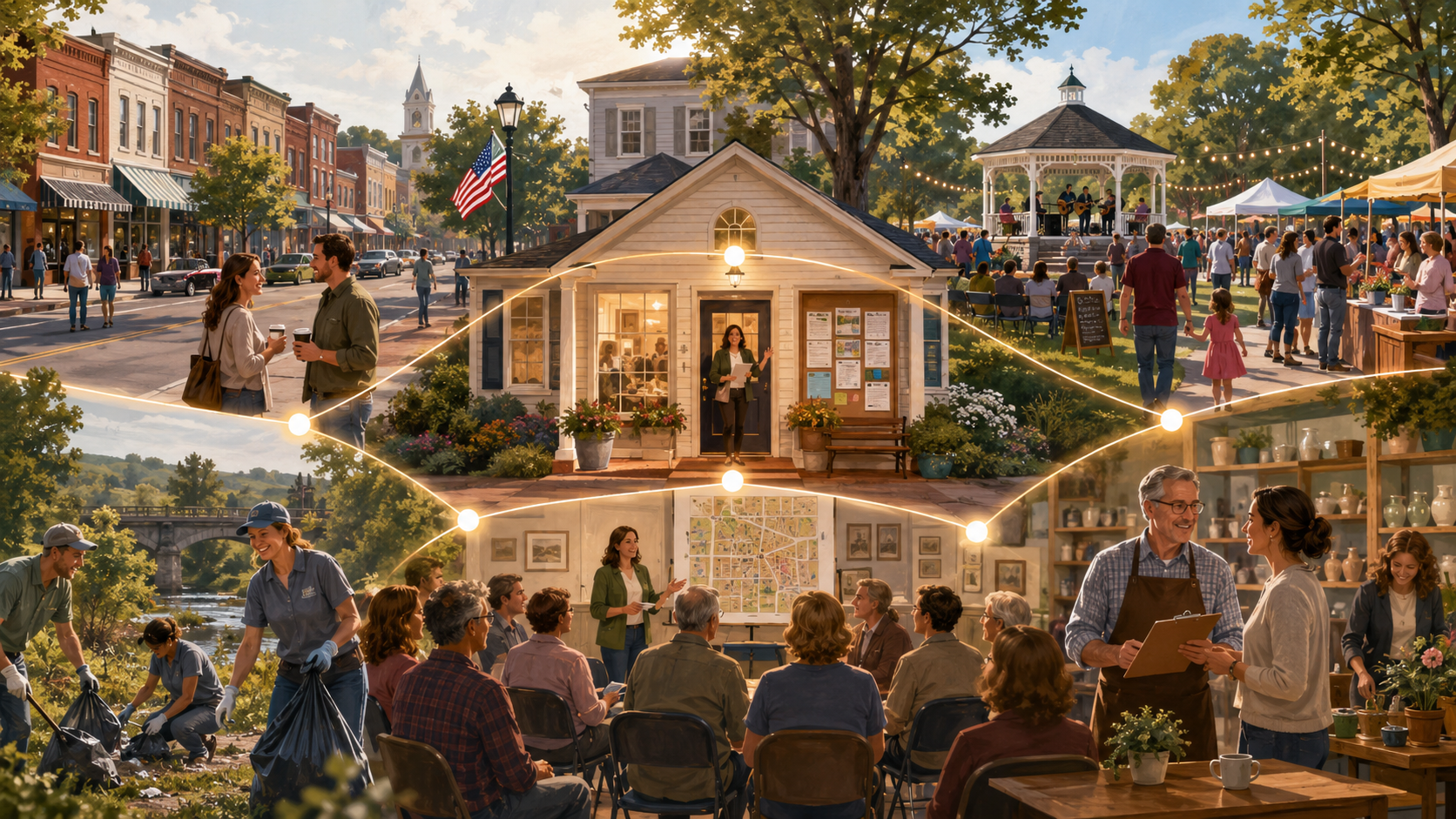
8) Communities sell better when they think like the prospect first: The prospect does not experience your community in org-chart order. Better sales work starts with the questions, risks, and internal deadlines on the other side of the table.

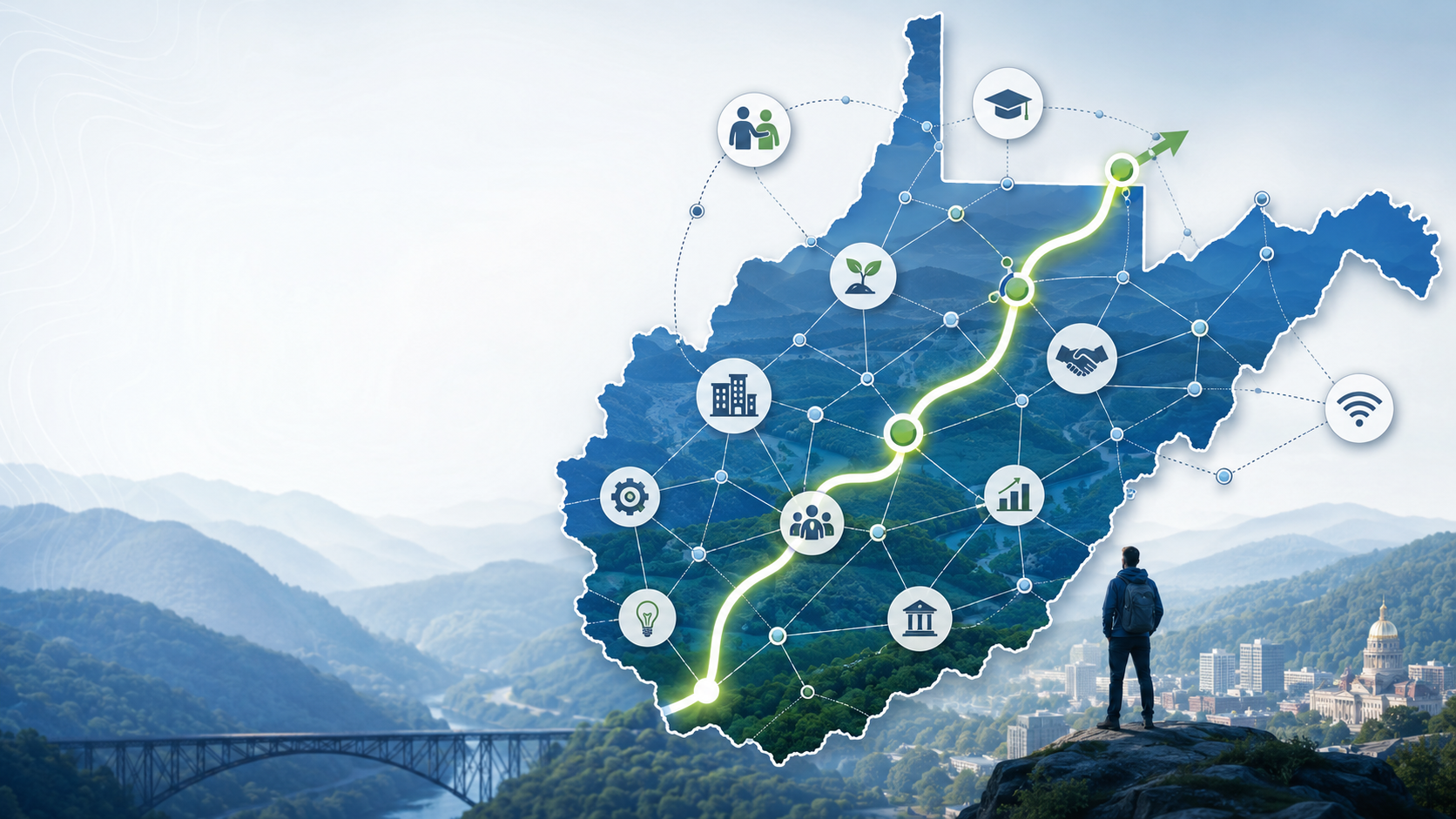
9) How West Virginia made entrepreneurship support easier to navigate: Founder support works better when the map is simpler. West Virginia's BusinessLink model is a useful example of making entrepreneurship resources easier to find, understand, and use.
10) I built Sitehunt to help economic development teams of all sizes win projects faster. If you'd like to see how can work in your community, please schedule a demo. Here's a a simple visual walkthrough of the Sitehunt workflow:


11) The consumerist hypocrisy of the American anti-data center movement: Demand has a footprint. The argument is that communities cannot consume cloud and internet products at scale while treating the production infrastructure behind them as someone else's problem.
12) Andy Portera on rural progress: Small-community strategy works when it stays narrow enough to execute. The source lists four basics: one to three priorities, a committed group of leaders, accountability, and patience. Read: the LinkedIn post.
13) What site selection travel looks like on the ground: The work is less glamorous than the travel photos. It is early flights, regional airports, rental cars, site tours, utility questions, and the practical details that decide whether a building can actually serve a project.
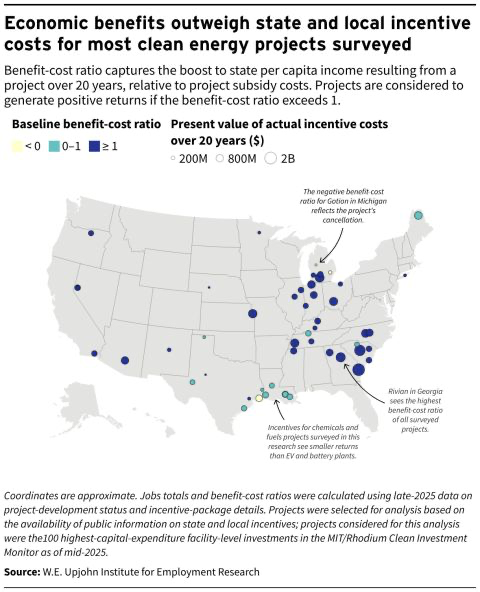
14) Clean energy incentives can pay off, if designed well: The structure of the deal matters as much as the headline number. An Upjohn Institute study for RMI evaluated 50 clean energy manufacturing and infrastructure projects in 22 states, covering more than 95,000 promised jobs and more than $29 billion in state and local incentives. Read: Kathleen Bolter's LinkedIn post.
15) The job nobody can explain and every community needs: Economic development sits between the public and private sectors. Sam Blatt frames the role as connective tissue, community leadership, and the ability to understand enough about everything to keep the community moving.
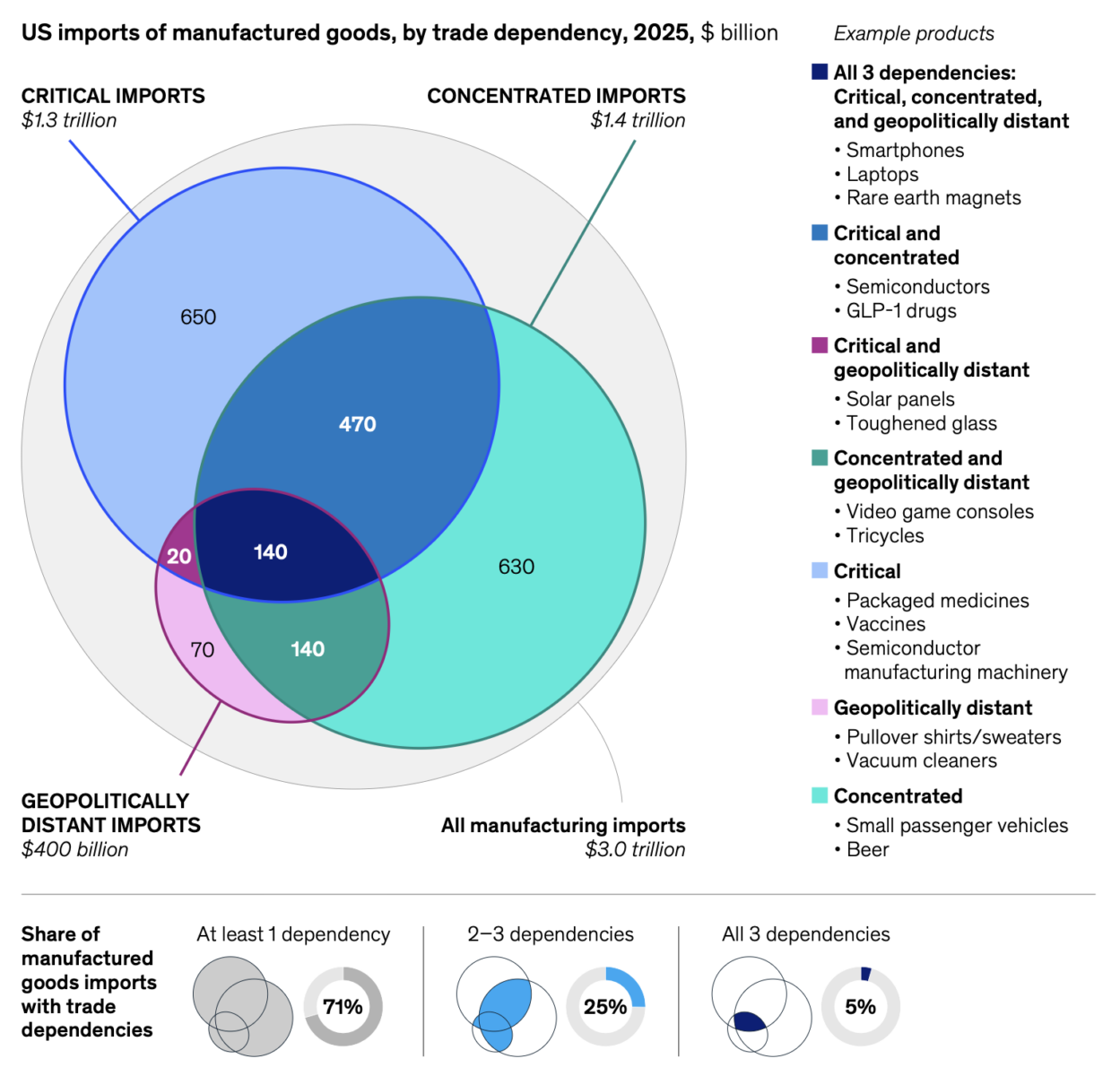
16) U.S. imports of manufactured goods by trade dependency: Trade exposure is not one thing. The chart separates manufactured imports by dependency, a useful lens for talking about supply chains, reshoring, tariffs, and where local manufacturing strategies can be realistic. View: the Ritholtz chart.
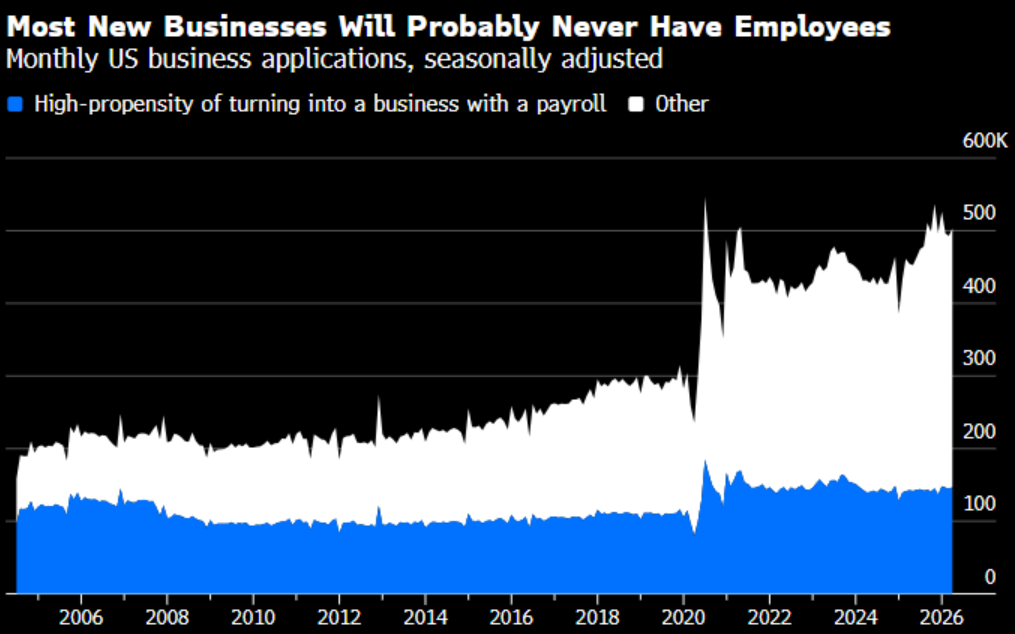
17) America's small-business boom comes without new jobs: More business applications do not automatically mean more employers. Census data show a post-pandemic surge in formation, but the chart suggests much of the increase is in firms unlikely to add payroll jobs.
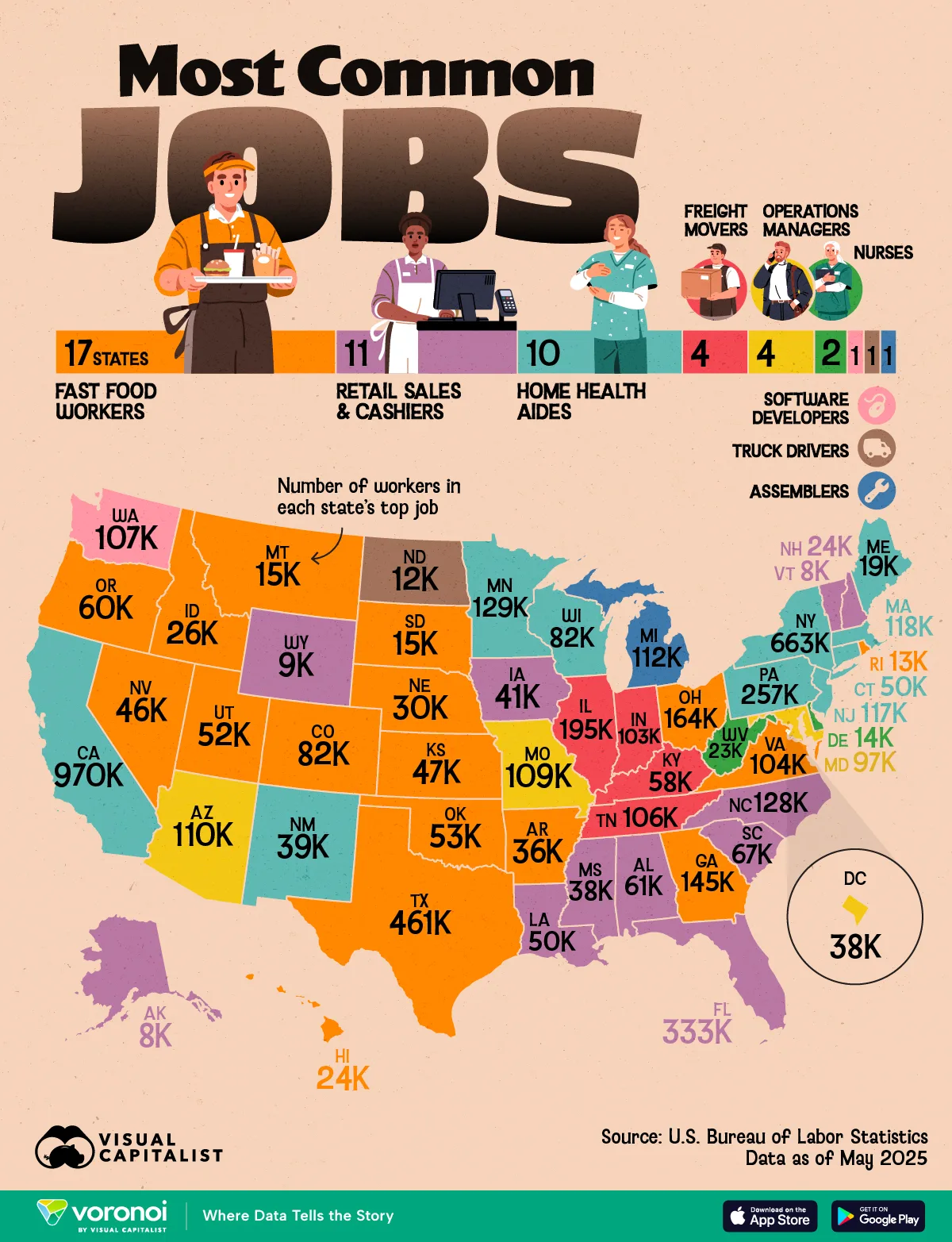
18) The most common job in every U.S. state: The everyday labor market is still dominated by service work. Fast food workers top 17 states, retail sales and cashiers lead 11, and home health aides lead 10, according to BLS data as of May 2025.
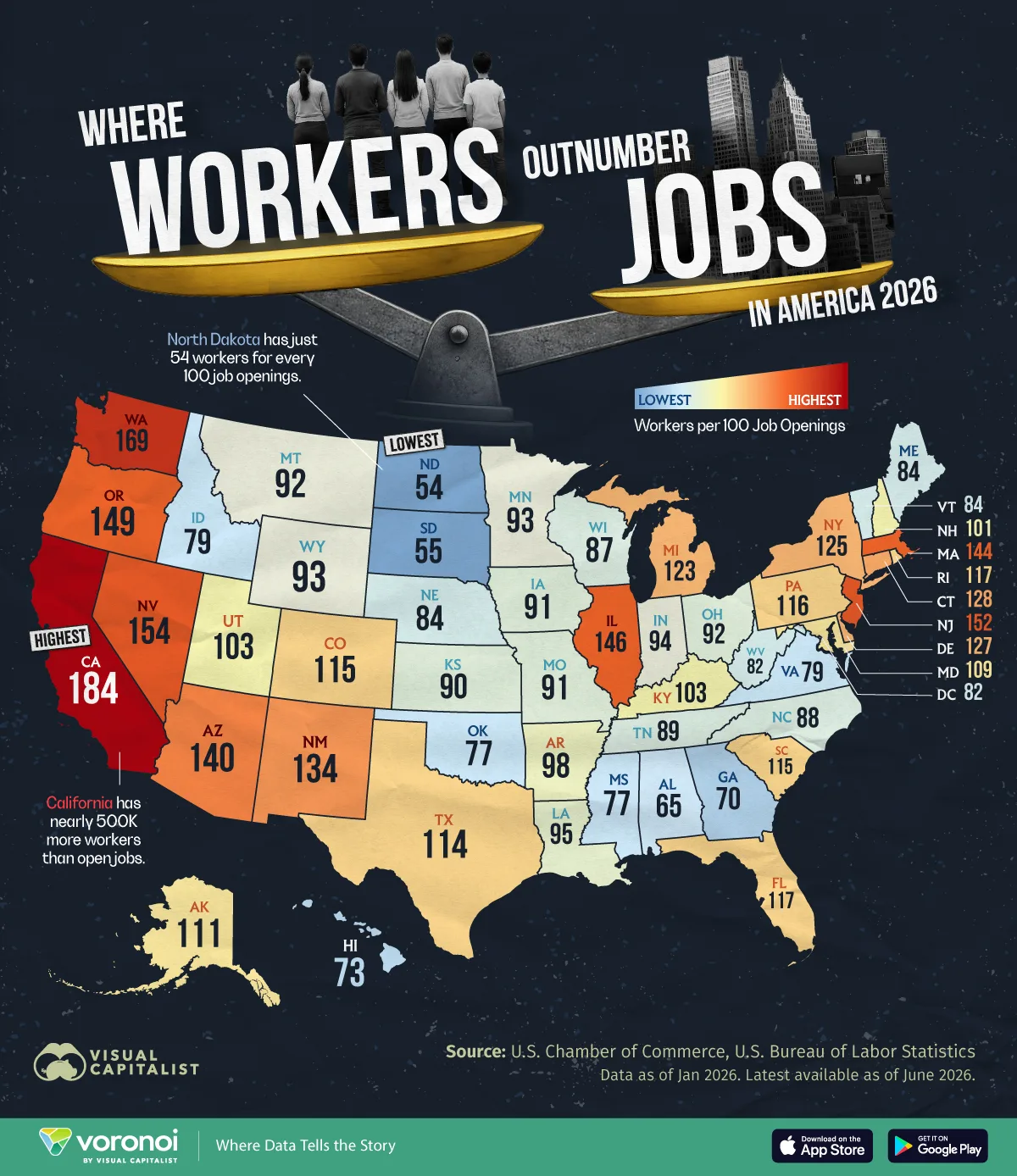
19) Where workers outnumber jobs in America: Labor slack is highly geographic. California shows 184 workers for every 100 job openings, while North Dakota has just 54!
20) Not every community has a multi-billion-dollar company headquartered downtown, or one of the world’s wealthiest families investing in its future. But that’s what makes Bentonville, Arkansas, worth studying.
Walmart and the Walton family have spent years helping turn Bentonville into a place where people want to live, work, visit, and stay. Yes, the scale is unusual. Most towns will never have resources like that.
But the underlying question applies everywhere: What are we doing to make our community the kind of place talented people want to build a life?