19 Things Economic Developers Need to Know This Week
May 7, 2026 edition.


Welcome to this week's issue of What Economic Developers Need to Know This Week, where we collect links, charts, and ideas about the economy and place.
This week: 19 stories, graphics, and rabbit holes that are (mostly) relevant to economic development, and occasionally just funny.
If you're wondering what to do with the info in this newsletter: forward one item to a board member or elected official. It makes you look prepared.
Today's email is brought to you by Resource Development Group
Resource Development Group and Convergent Nonprofit Solutions have recently announced a merger of these two well respected firms. RDG is now operating as Resource Development Group, a Convergent Company and will lead the combined operations in economic development and chamber engagements. Meanwhile, the Convergent banner will take the forefront on efforts on supporting traditional philanthropic and higher education organizations
This merger maintains RDG's innovative and custom approach while also creating the deepest bench of economic development and chamber fundraising expertise in the industry, the most complete data set in the country regarding economic development and chamber funding, and the greatest flexibility to be able to support engagement models tailored specifically to every market, regardless of size.
Whether you’re a single county EDO ready to kick off your first fundraising campaign or a large regional organization on your third funding cycle, they have the team and experience to get you the results you’re looking for.
1) Economic development and developers in the news #242: 93 economic development executives and organizations in 32 states. A fast scan of what economic developers, chambers, utilities, cities, counties, and state partners were announcing and sharing this week. Read: Economic Development and Developers in the News #242.

2) Podcast 217: "We do important work" is not a funding strategy. Brian Abernathy and Clint Nessmith make the case that economic development fundraising has to be more disciplined, more investor-ready, and more directly tied to outcomes. Listen: Why Economic Development Fundraising Matters More Than Ever.

3) 84 economic development job listings this week: Roles in 47 states, from $44,000 to $198,000. A practical market check on who is hiring, where they are hiring, and what they are paying. Browse: 84 Economic Development Job Listings This Week.
4) Last week's 28 things issue: The April 30, 2026 catch-up link. This is the source-file link back to the previous issue, not a repeated story from that issue. Read: 28 Things Economic Developers Need to Know This Week.

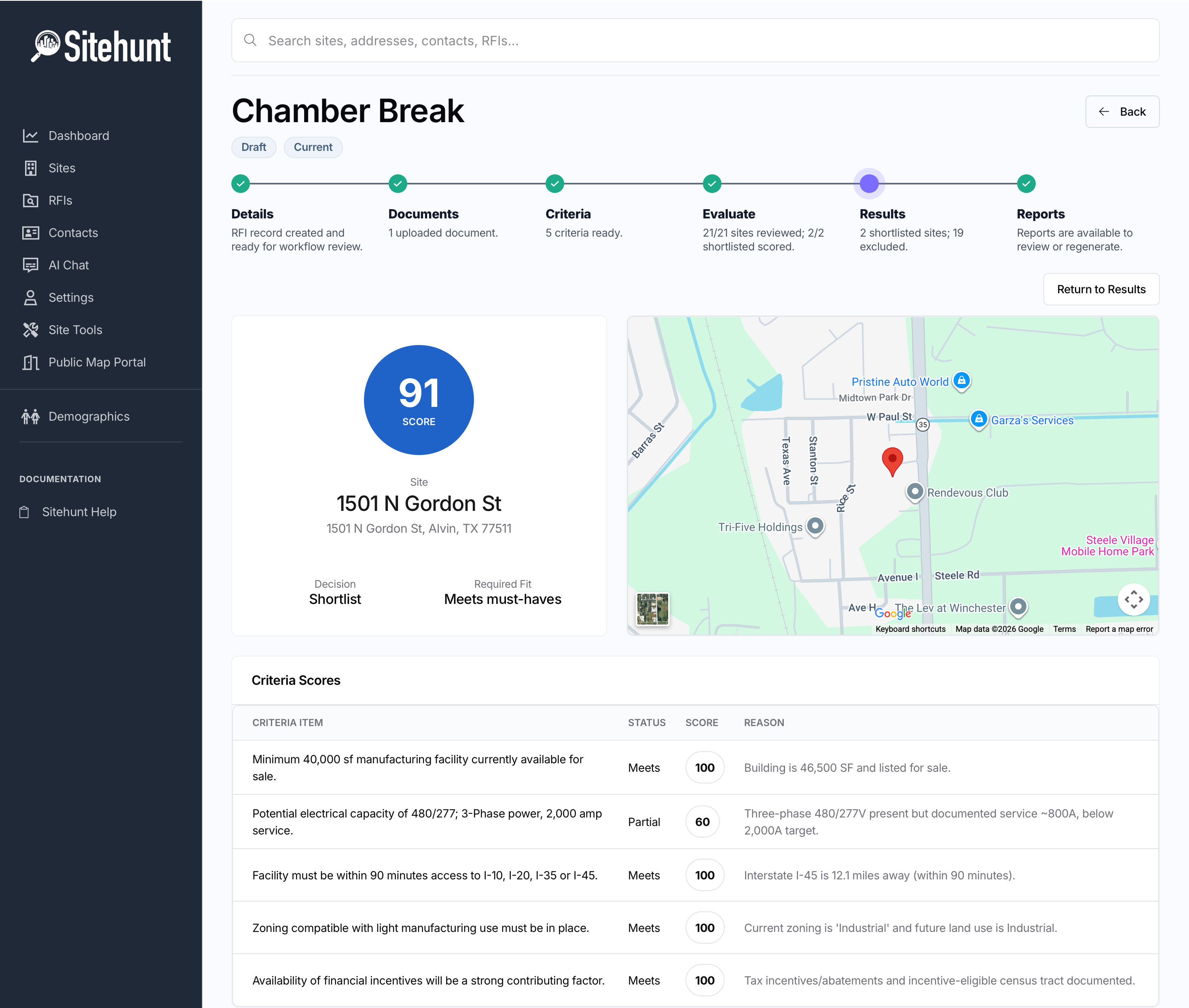
Econ Dev Show is Brought to You By Sitehunt
Sitehunt automates industrial real estate research so economic developers can respond to site selection RFIs in minutes instead of days.
5) Workforce development is not a side program: The real test begins the day after the ribbon cutting. Workforce capacity is economic development infrastructure, and communities need to treat training, access, retention, and employer alignment as core project-readiness work. Read: Workforce Development Is Not a Side Program: It Is Economic Development Infrastructure.

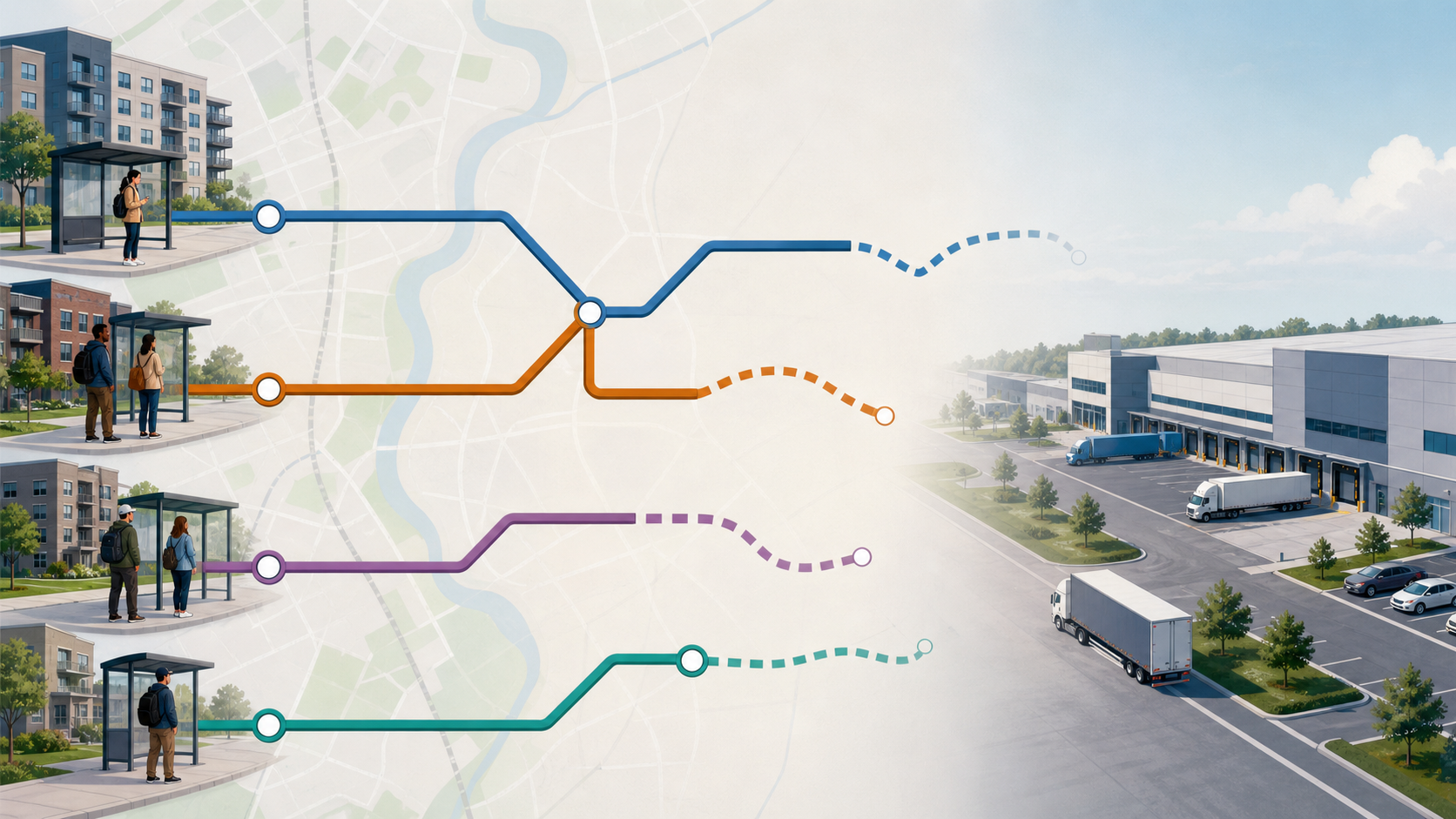
6) Workforce access is not the same thing as workforce availability: A labor shed is not useful if workers cannot reach the job. The case study is a reminder to check transit, schedules, geography, childcare, and daily friction before claiming a site has access to workers. Read: Workforce Access Is Not the Same Thing as Workforce Availability.
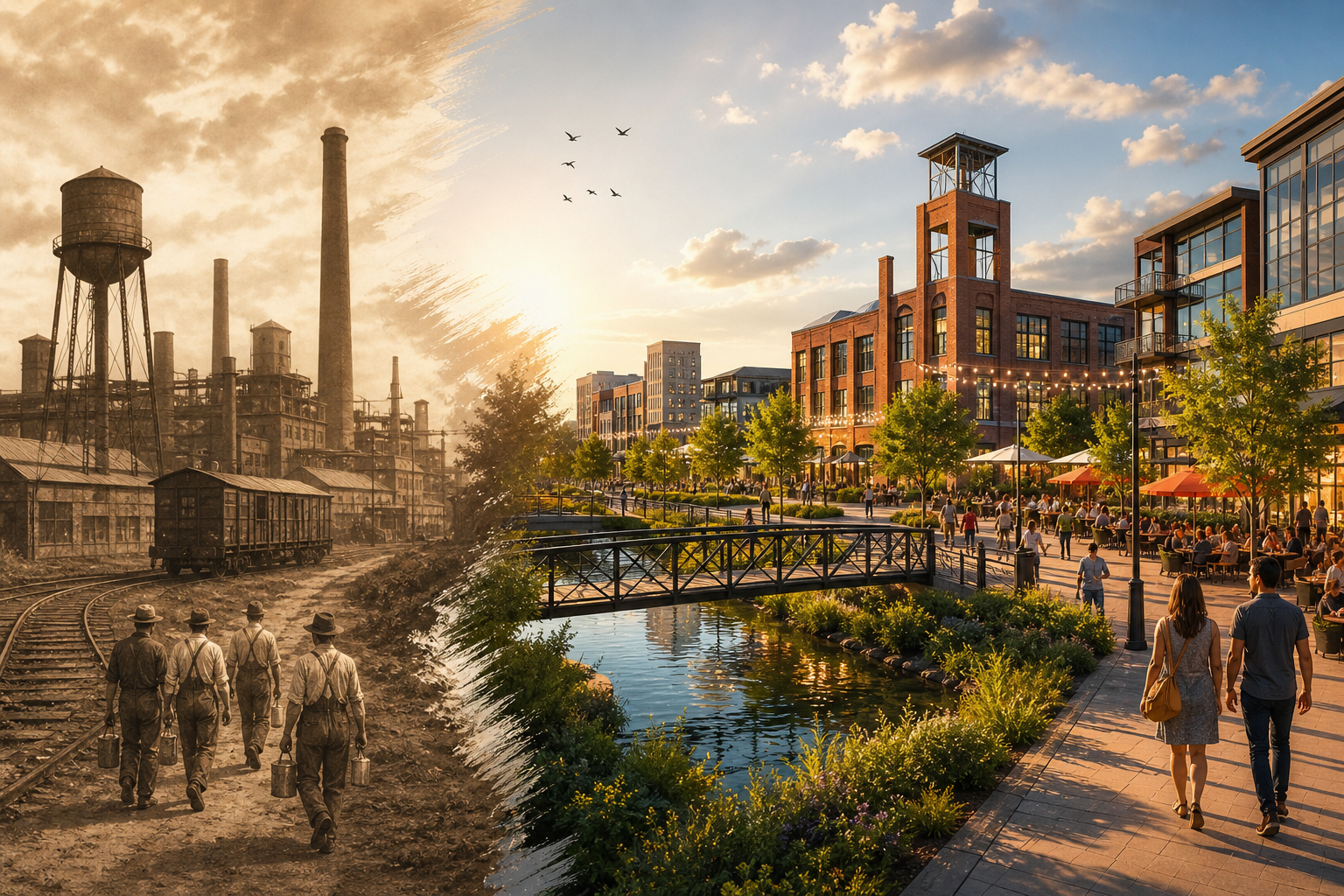
7) What happens to a community when it loses manufacturing?: Industrial identity does not disappear cleanly. The Sugar Land case study is about redevelopment, memory, land use, workforce, and what economic development becomes after the factory leaves. Read: What Happens to a Community When It Loses Manufacturing?.
8) Why fast-growing regions need a product strategy before a recruitment strategy: Growth does not automatically mean readiness. The Central Texas case study points to workforce corridors, site product, infrastructure, and regional capacity as prerequisites for serious recruitment. Read: Why Fast-Growing Regions Need a Product Strategy Before a Recruitment Strategy.
Property Maps That Actually Answer Questions
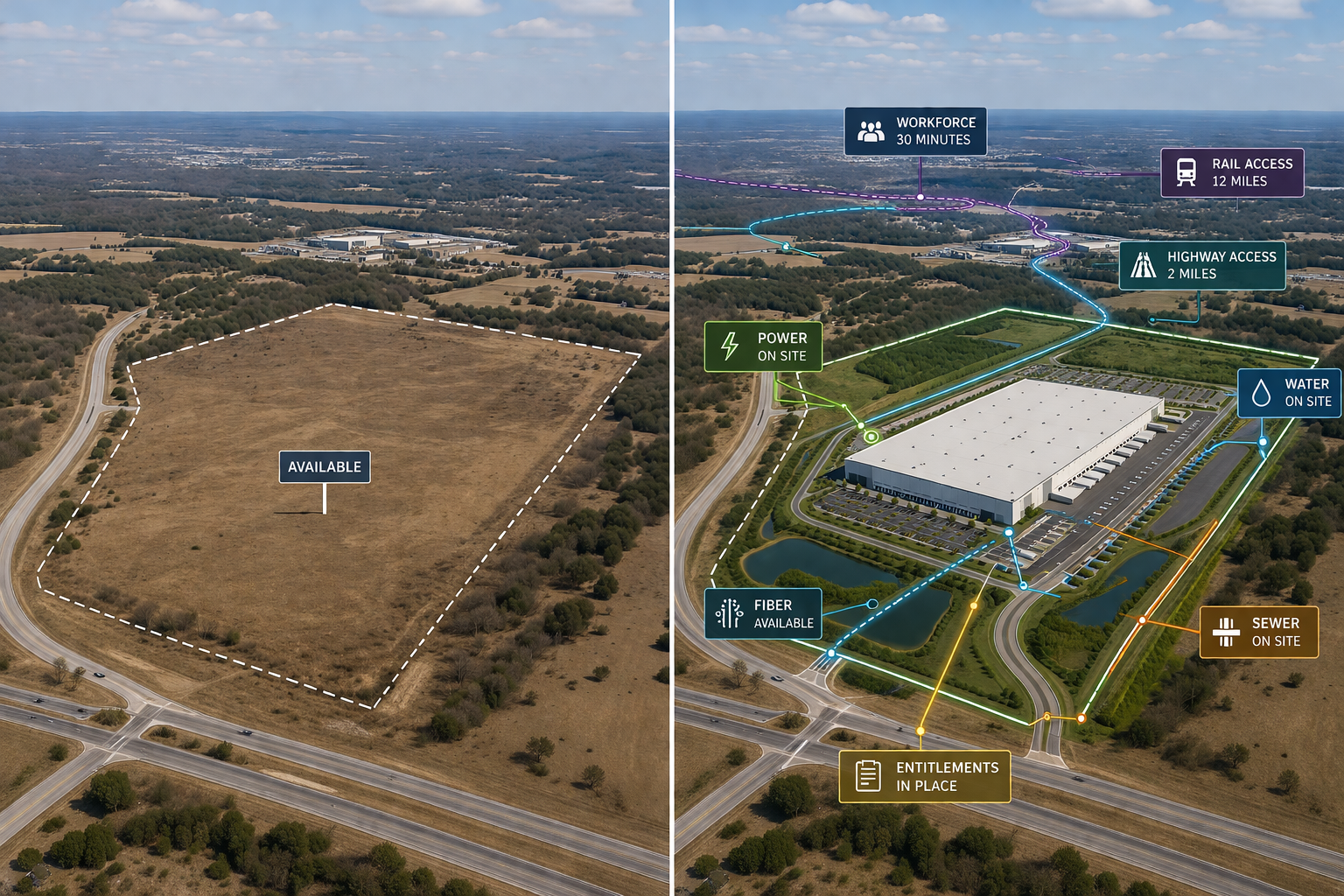
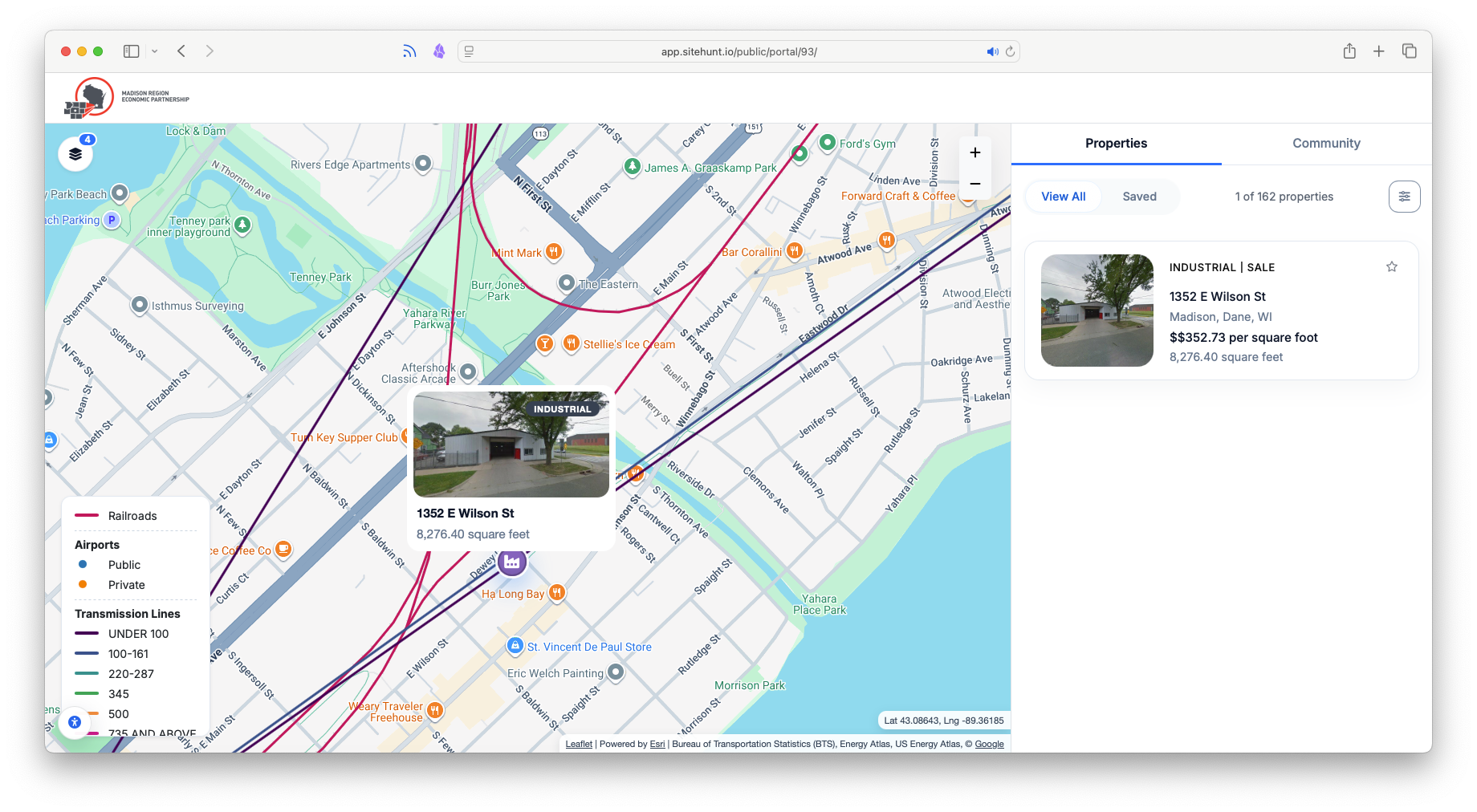
Most economic development property maps are just pins on a screen. Sitehunt’s Map Explorer is different. Instantly explore sites, utilities, infrastructure, incentives, environmental constraints, demographics, and attachments in one property-first workspace built for real project response. Filter sites, draw drive times and custom areas, open documents with one click, and carry the same data directly into RFIs, reports, proposals, and your public property portal. Embed searchable maps on your own website while managing everything from a single source of truth. Faster answers, cleaner workflows, and more confidence when the next project lands in your inbox.
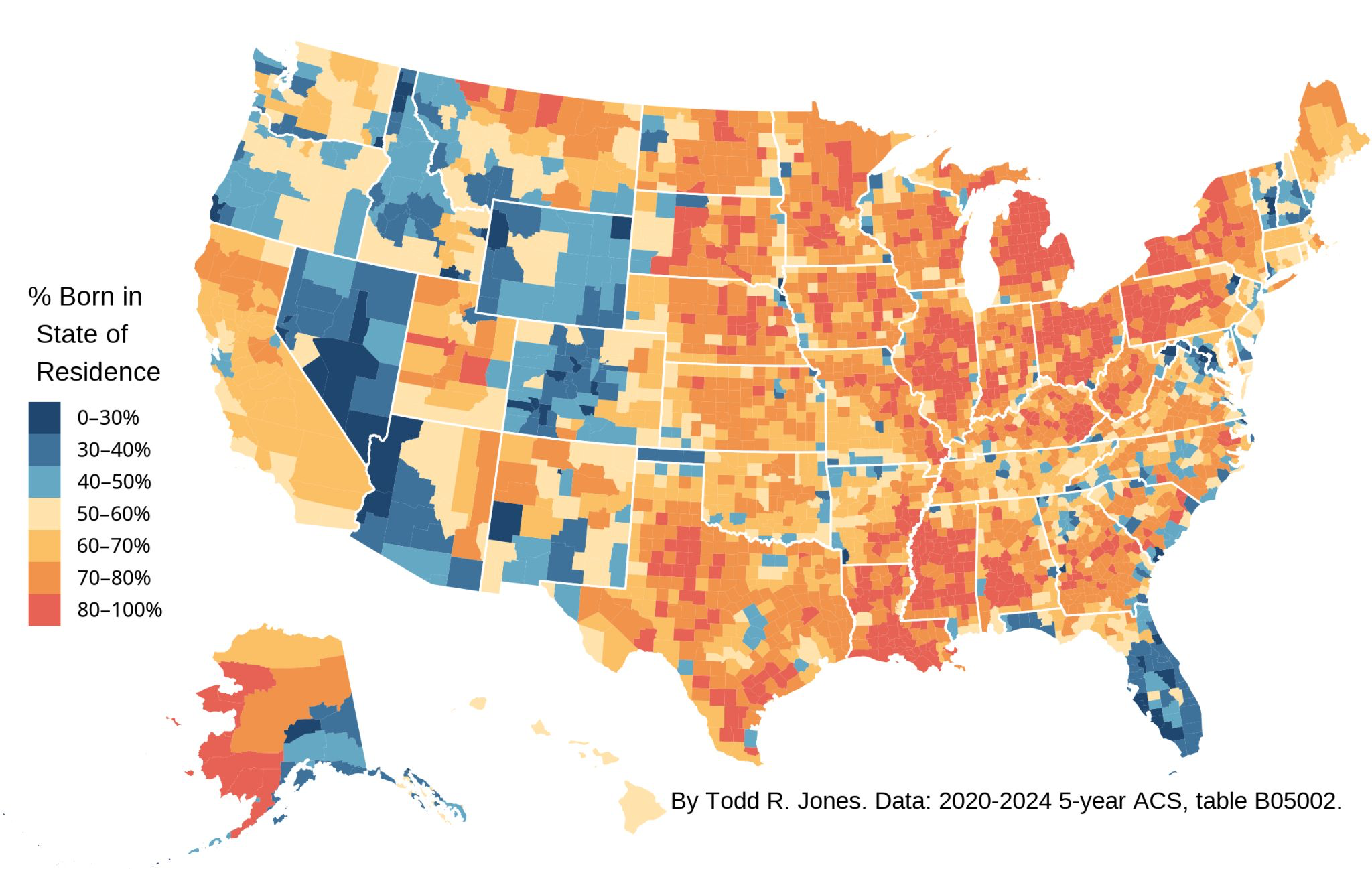
9) Born in the state of residence: Some places are built around rootedness, others around churn. This county map of the share of residents born in their current state is a useful reminder that talent attraction means different things in different places.
10) Data center land-use issues are fake and What's Happening in Local Land Use: Land-use politics are now part of the economic development operating system. Data centers, housing, infrastructure, and industrial growth all run into the same local bottleneck: whether communities can say yes to physical development.
11) The U.S. economy is booming, just not where 50 million Americans live: The national economy and distressed local economies can both be real at the same time. That gap matters for workforce policy, AI disruption, regional investment, and the communities that are still trying to get back onto a growth path.
12) Trust Builders: Trust is economic development infrastructure too. Communities that want faster decisions, cleaner partnerships, and more durable projects need civic trust before the hard conversations arrive.
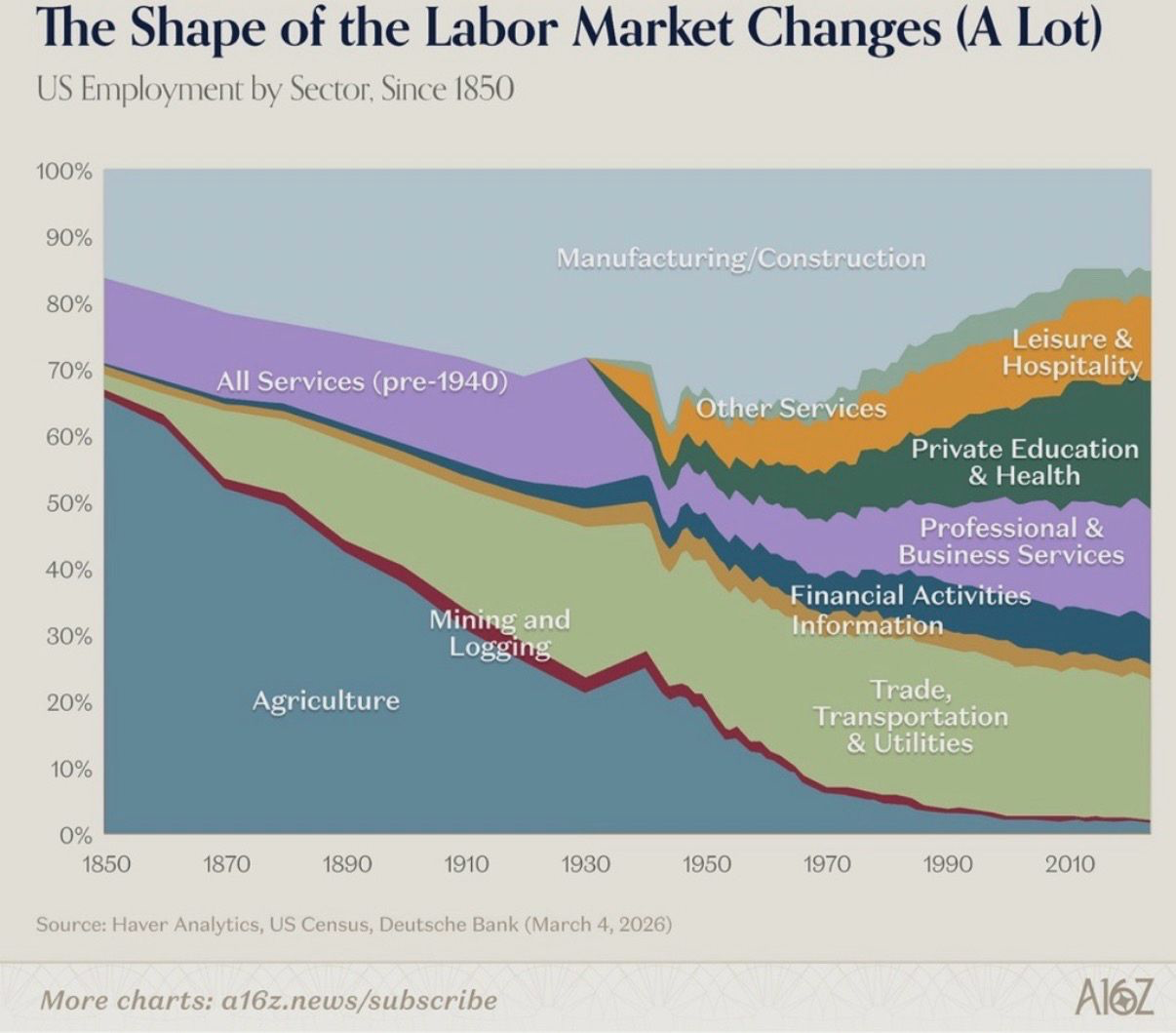
13) The shape of the labor market changes: The employment mix has always shifted. This long-run sector chart is useful context for AI and workforce debates: economic development has always been about helping people, firms, and places move from one employment structure to the next.
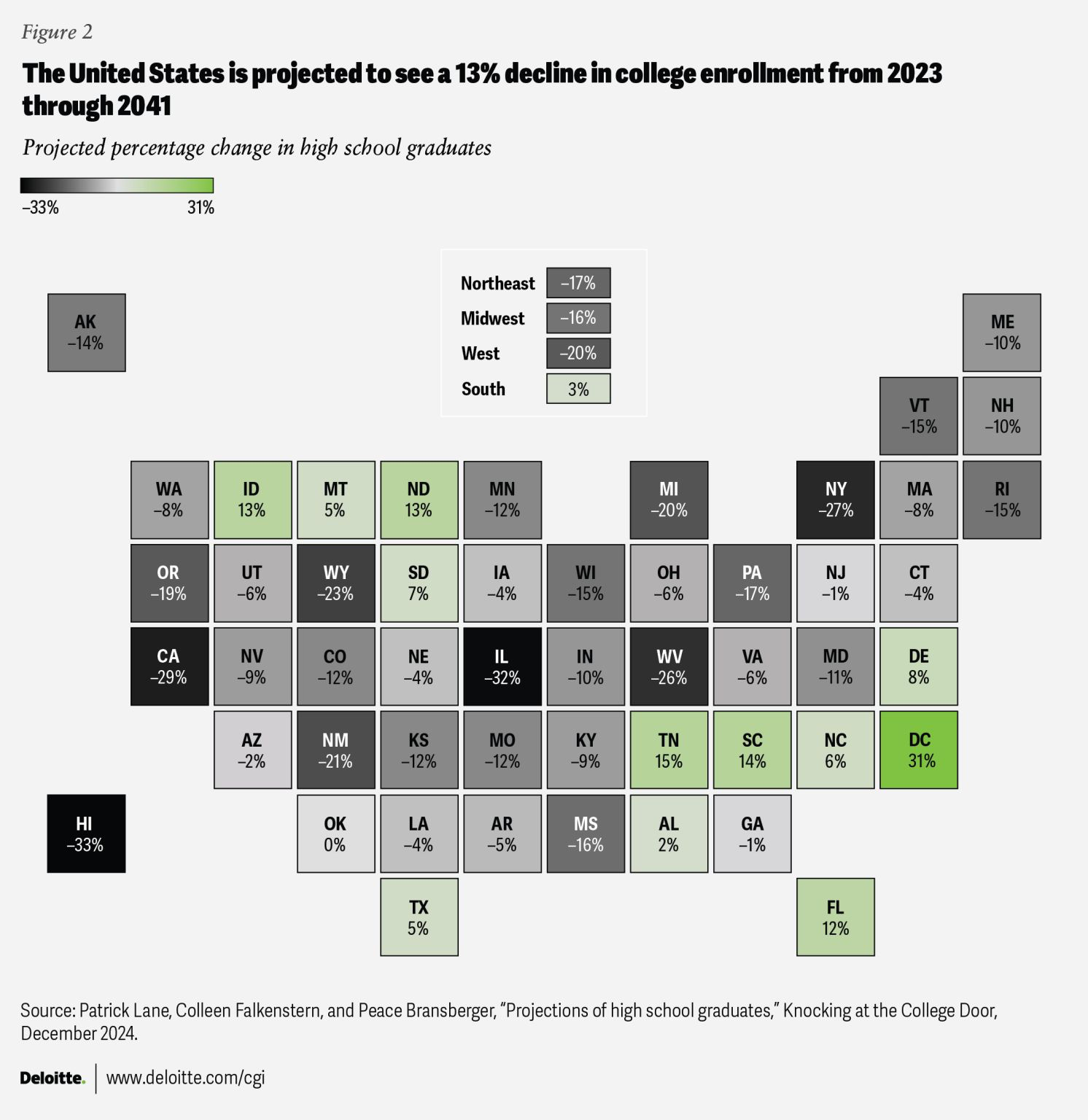
14) 2026 higher education trends: The enrollment cliff is uneven by state. The South is still projected to grow, while much of the West, Midwest, and Northeast face sharper declines in high-school graduates. That affects higher ed, workforce pipelines, downtown anchors, and college-town real estate.
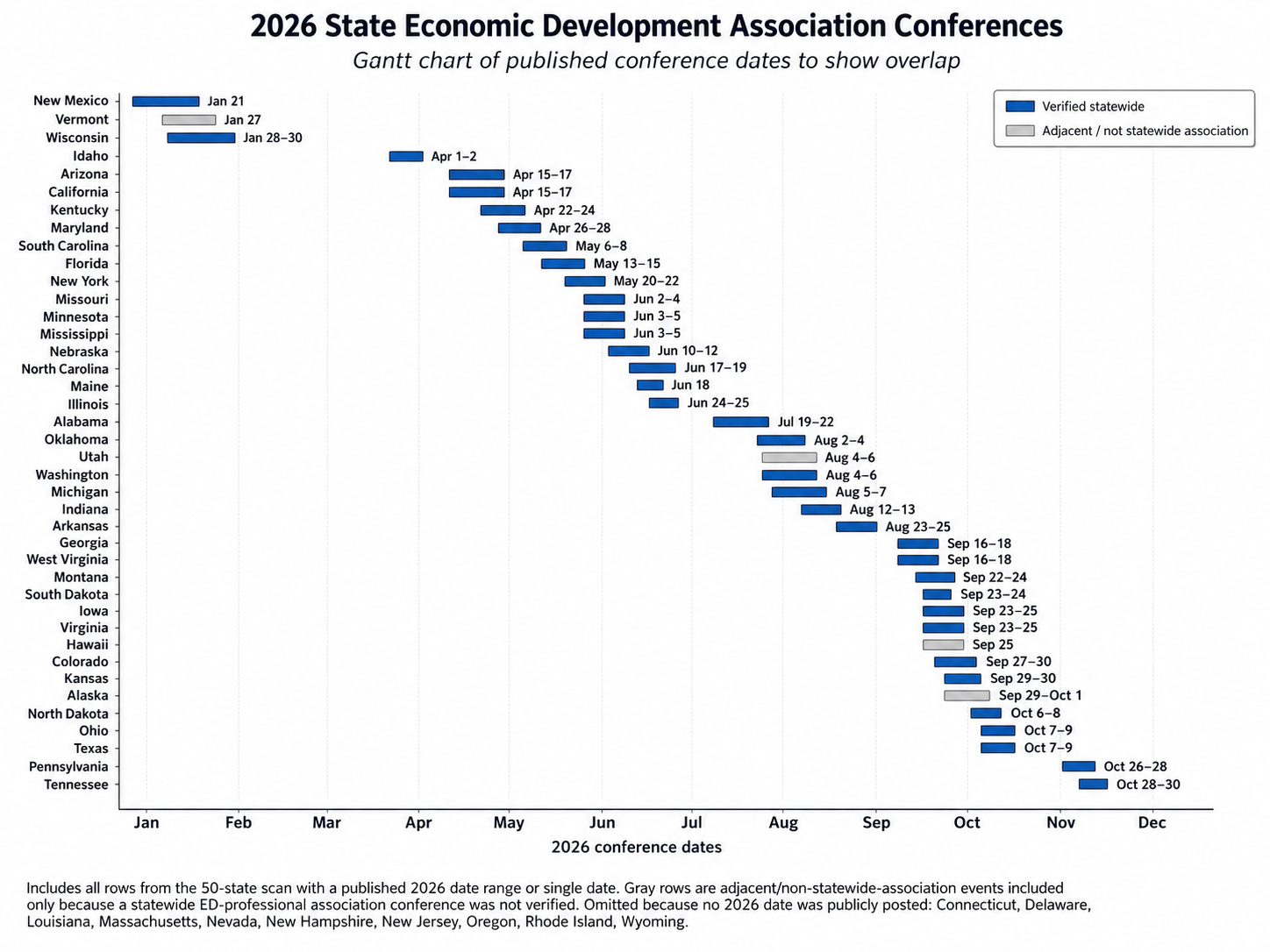
15) 2026 state economic development association conferences: The professional calendar is clustered. This conference map shows how many state economic development associations concentrate their annual meetings between late spring and early fall, with several overlapping weeks.
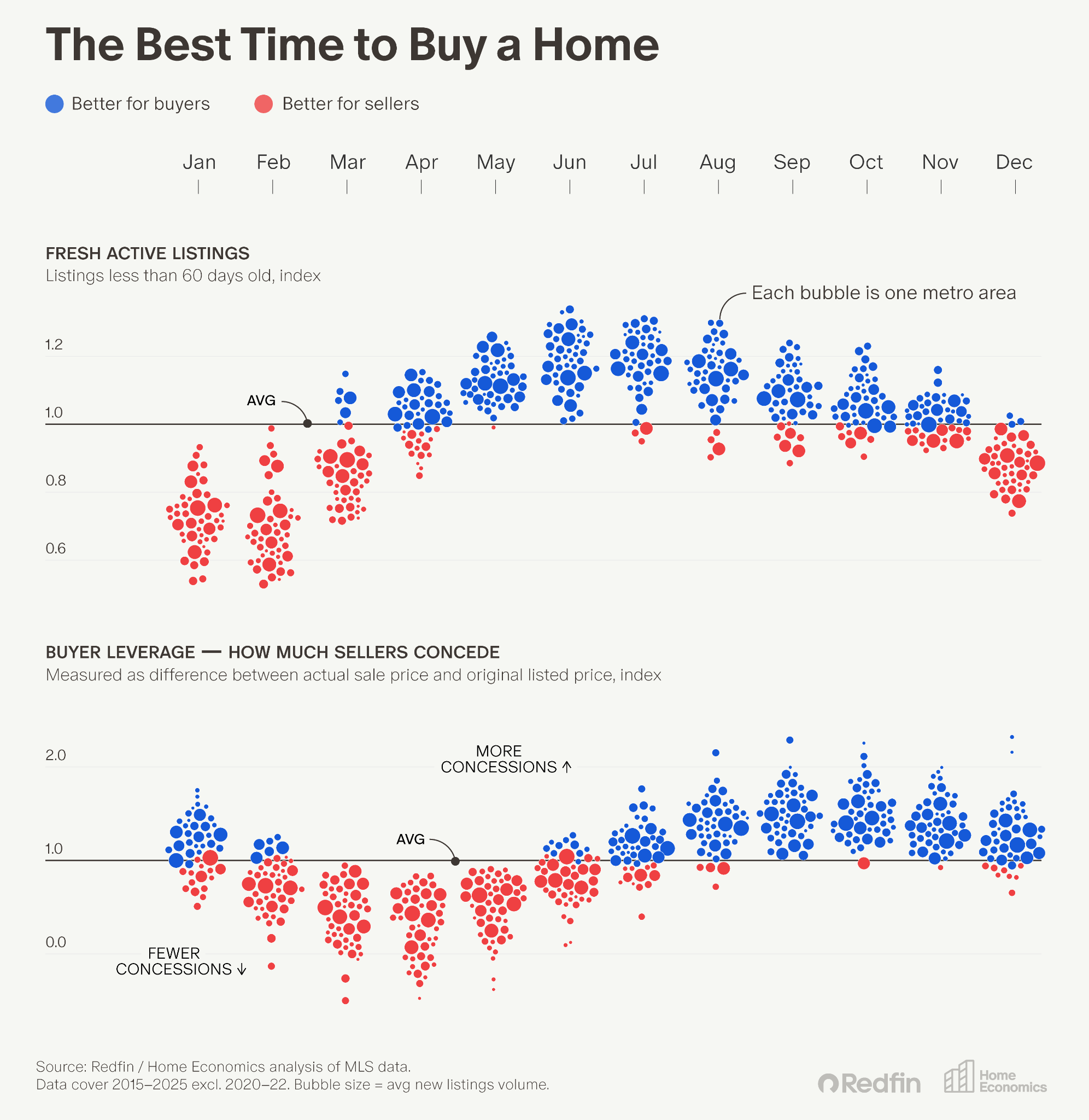
16) When is the best time to buy and sell a home?: Housing timing affects relocation messaging. The chart tracks the conventional wisdom around listing supply and buyer leverage, and it is useful for communities trying to explain what a move actually feels like in the local market.
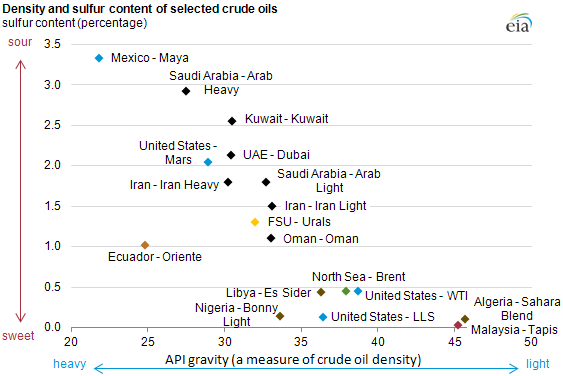
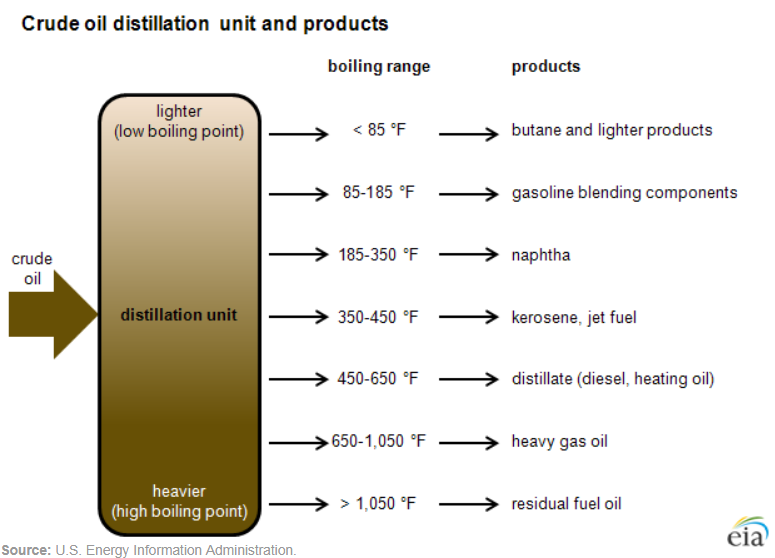
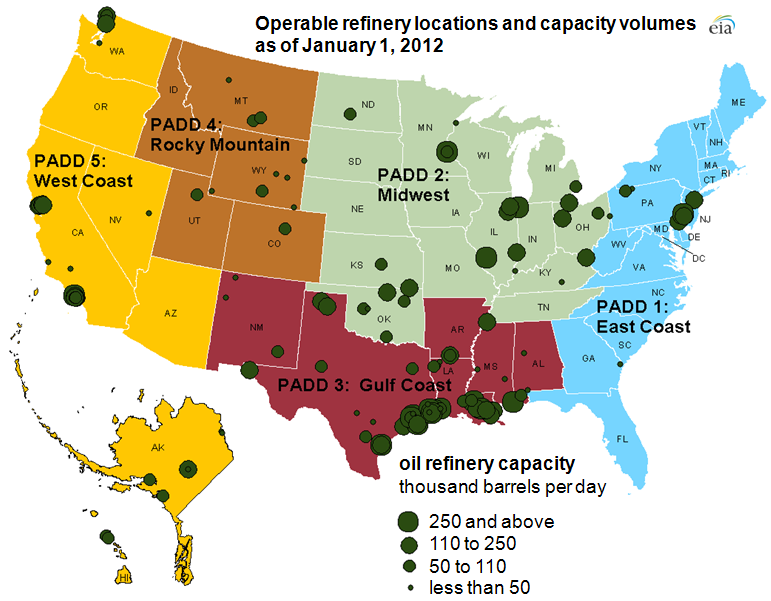
17) How an oil refinery works: Industrial sites are technical systems, not just parcels. Refining depends on crude quality, process equipment, logistics, workforce, and surrounding infrastructure, which is why industrial attraction requires more than land availability.
18) Developing economic developers: find your people, then become one of them: Professional identity is built through proximity. Matt Forshee's piece is a reminder that career development in this field still depends on peers, mentors, shared language, and learning how the work actually gets done.
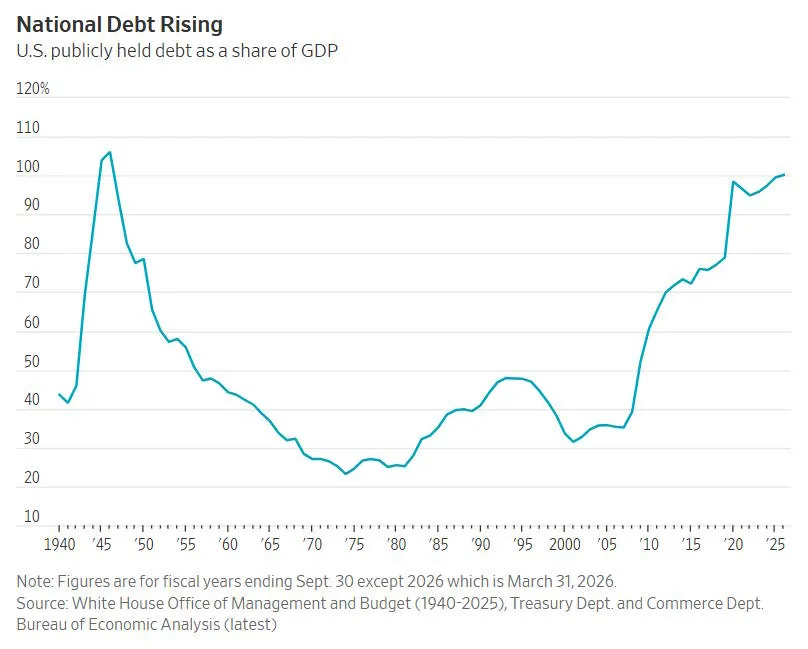
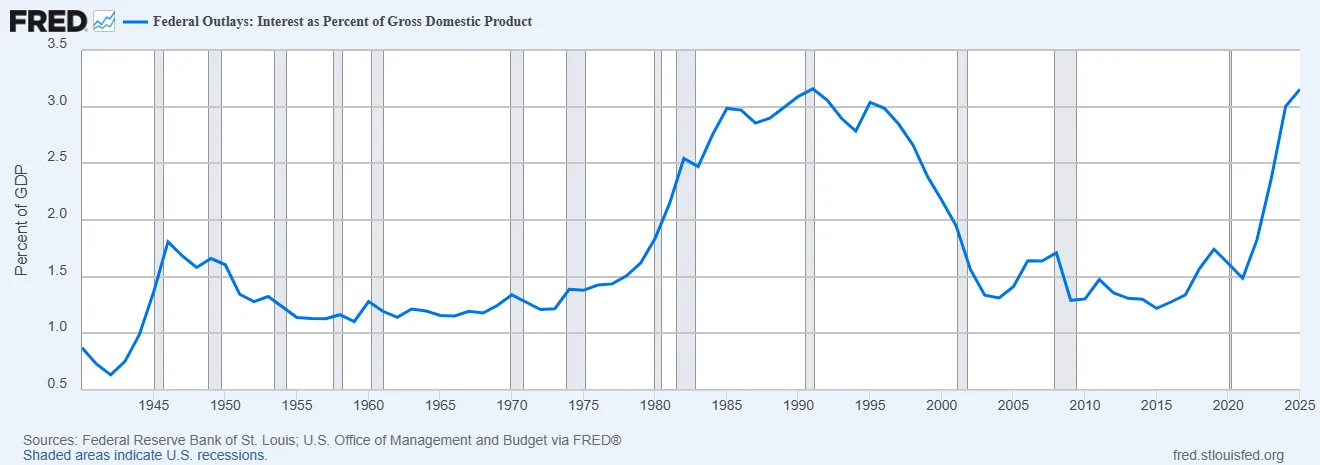
19) U.S. debt tops 100% of GDP: Federal fiscal pressure will eventually become local fiscal pressure. The debt number matters, but the interest-payment chart matters even more for communities that depend on federal infrastructure, defense, higher ed, and grant flows.